
This caught my attention because censorship disputes on Nintendo platforms rarely play out in public with a dev admitting fault – and when they do, it exposes how thin the line is between platform policy, developer judgment, and what players actually paid for.
Table of Contents (4)
Dispatch Dev Admits “People Have A Right To Be Pissed” After Censored Nudity Lands on Switch & Switch 2
- Key takeaway: AdHoc Studio says it misinterpreted Nintendo’s allowances and shipped censored nudity/altered sexual content on both Switch and Switch 2 ports of Dispatch; Nintendo says it did not alter partner content.
- Visibility failure: The developer also placed a content disclaimer in the wrong eShop field, making the change less visible to buyers.
- Remedy promised: AdHoc plans an update to restore at least some of the removed material, but timing and scope are unclear.
- Wider implication: This episode reinforces community distrust about how platform rules get applied and how transparent ports will be on Switch 2 going forward.
{{INFO_TABLE_START}}
PUBLISHER|AdHoc Studio
RELEASE DATE|Unspecified
CATEGORY|Unspecified
PLATFORM|Nintendo Switch, Nintendo Switch 2
{{INFO_TABLE_END}}
The core facts are straightforward: AdHoc Studio – the team behind Dispatch – acknowledged on record that nudity and some sexual content were censored in the Switch and Switch 2 releases. The studio attributed the change to a misreading of Nintendo’s content allowances while porting, and admitted it put the accompanying eShop disclaimer in the incorrect field so buyers wouldn’t see the alteration plainly. Nintendo has denied intervening or altering partner content.
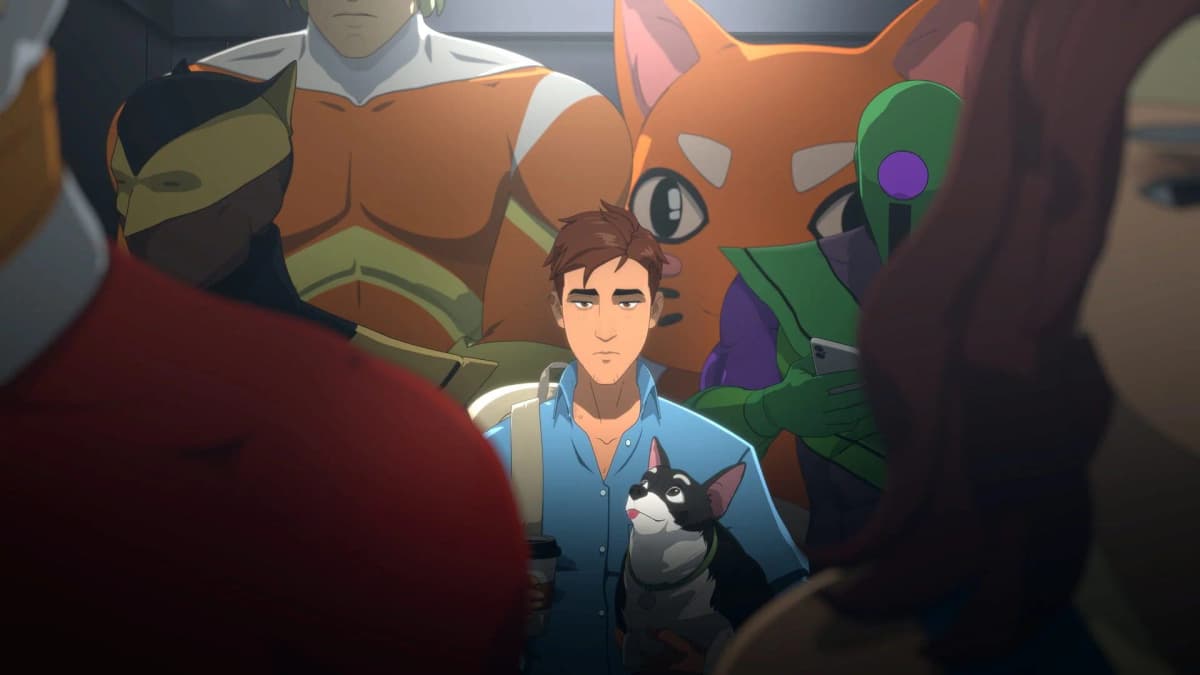
Why this matters beyond a single game: Nintendo’s platform rules around sexual content have long been tighter than many other storefronts, and most partners expect to self-certify and self-manage content during porting. A developer openly saying “people have a right to be pissed” is notable because it accepts responsibility — but it also broadcasts that the lines are muddy enough for a professional studio to misinterpret them. That fuels a broader trust problem: if developers can accidentally strip the content players expect, how reliable are ports and labeling going forward?
What likely happened (and where to be skeptical)
The simplest reading: AdHoc misread policy, removed or altered assets to be safe for the platform, and then botched the eShop metadata that should have flagged the change. That explanation fits the developer’s admission and Nintendo’s denial. But some open questions remain that feed skepticism:
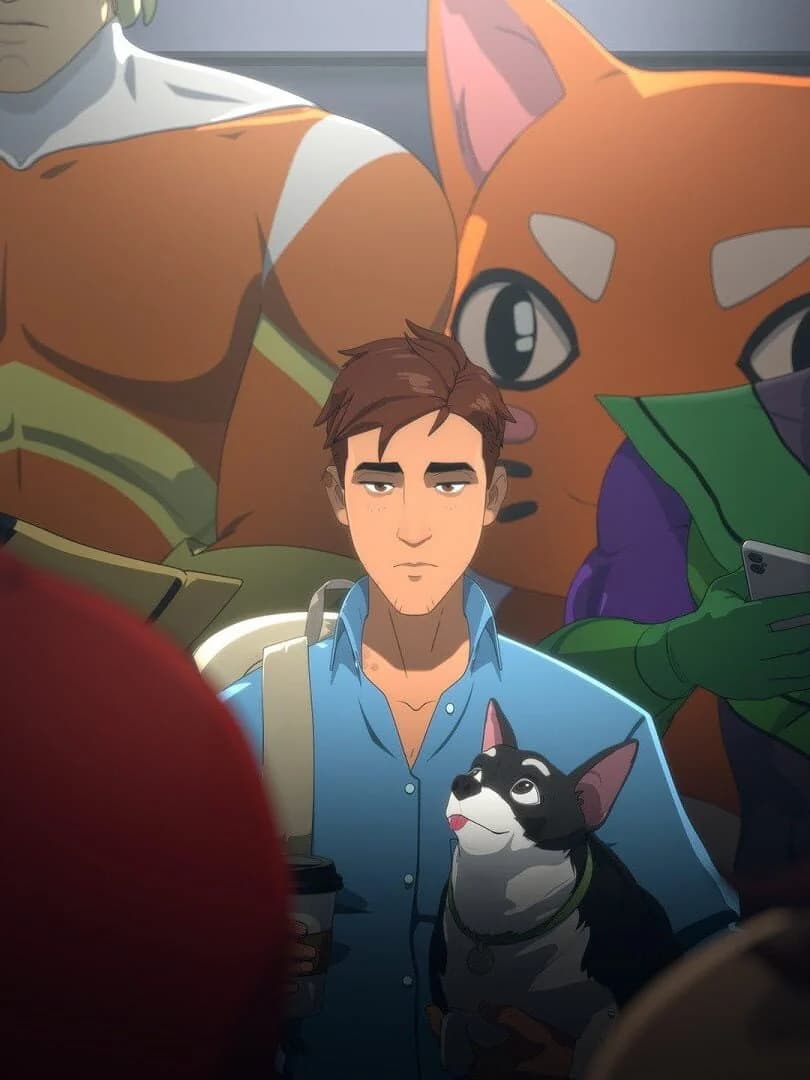
- Did internal pressure from platform certification timelines or porting constraints push a faster, safer censoring choice?
- Was the wrong eShop field a genuine mistake or a calculated attempt to reduce visibility of content differences?
- Will the promised update fully restore the removed material, or only partially, to avoid future platform friction?
These are important because they determine whether this was an honest mistake, a defensive studio choice, or a symptom of a larger policy/communication problem between Nintendo and third parties. The developer’s willingness to own the error is good PR damage control, but ownership alone doesn’t fix the player experience.
What players should do now
- Wait for the patch notes. AdHoc has said an update is coming; the critical detail will be exactly what gets restored and when.
- Keep receipts and check refund policies. If you bought the game expecting the original content, preserve proof of purchase while the situation resolves.
- Watch the eShop details. If the studio placed the disclaimer incorrectly once, future listings might hide differences in other fields — insist on clear “content changes” notes.
- Follow official channels. Verified AdHoc posts and Nintendo patch notes are the reliable sources here, not rumor threads.
From an industry perspective, this episode amplifies a couple of trends I’ve seen: (1) porting under compressed schedules breeds conservative content choices, and (2) inconsistent metadata on storefronts is a recurring consumer harm. Players are right to be upset when a purchased product doesn’t match expectations — transparency matters more than polished statements.

TL;DR
AdHoc admits it misapplied Nintendo rules and shipped censored nudity on Switch and Switch 2 versions of Dispatch, while also misplacing the eShop disclaimer so players didn’t see the changes clearly. Nintendo denies altering partner content. Expect a developer patch to restore some content — watch patch notes, keep purchase records, and push for clearer eShop labeling so this doesn’t become the new normal.
FinalBoss // Gear
Level up your setup
01Best-selling Switch 2 gameson Amazon→02Switch 2 accessorieson Amazon→038BitDo controllerson Amazon→04Discounted game keyson Kinguin→Affiliate links · As an Amazon Associate, FinalBoss earns from qualifying purchases.