

Dispatch just hit 2 million players—did episodic games make a comeback in 2025?
Game intel
Dispatch
Two million players later, here’s what actually changes for us
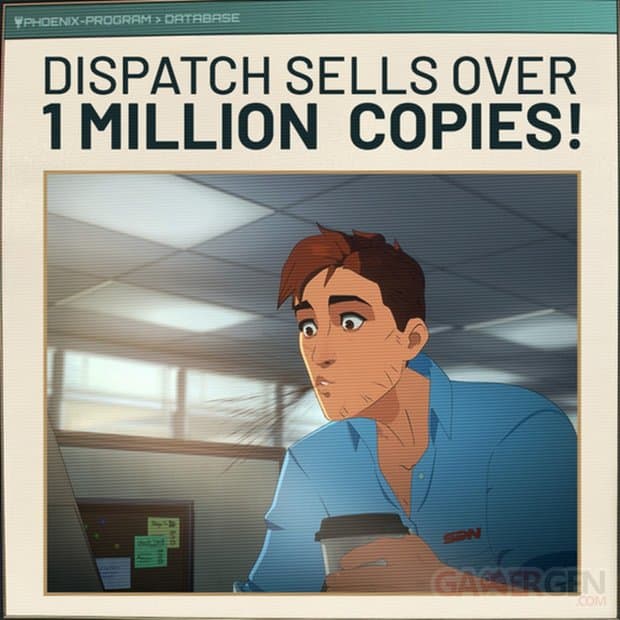
Episodic narrative games were supposed to be done after Telltale’s implosion. Dispatch just proved otherwise. AdHoc Studios’ office-comedy-meets-superhero caper has now crossed 2 million players since launch and cleared 1 million copies sold before its final episodes even landed. That matters because it shows you can do a tight, complete season in weeks-not years-and still build the kind of week-to-week hype we haven’t seen in this space since the heyday of The Walking Dead.
What caught my attention wasn’t just the sales-it was the Steam surge. Dispatch escalated from modest early peaks to a huge final burst, topping out around 220,000 concurrent players and sneaking into Steam’s top six by peak in a 24-hour window. For a paid, story-first game? That’s rare air.
Key takeaways
- Cadence was king: two episodes a week kept the conversation rolling without the months-long gaps that kill momentum.
- “2 million players” is big, but it isn’t the same as 2 million sold—great sign, still a marketing metric to watch.
- The season’s ~10 hours feel bingeable, with meaningful choices and light team management—don’t expect an action brawler.
- Season 2 feels inevitable, but AdHoc is also spinning up a project in Exandria (Critical Role’s world). Great news, but resource split is a risk.
Breaking down the numbers (and the catch)
Dispatch shipped eight episodes across three weeks—launching October 22 and wrapping November 12—with two drops each week. Instead of the usual episodic drop-off, each release pulled more eyes. Early episodes lifted concurrent players into the tens of thousands; by the finale, it hit roughly 220K on Steam. That crescendo is the exact opposite of what most episodic games experience, and it’s a big reason word of mouth snowballed.
Reviews tell the other half of the story. Steam sits at an “Overwhelmingly Positive”-tier score (around 95% positive), which explains why people kept showing up episode after episode. At points, Dispatch activity outpaced genre heavyweights like Life is Strange and Detroit: Become Human on Steam—without the free-episode boost those games have used in the past.
The caveat: studios love to tout “players” because it’s the bigger number. Two million players does not equal two million sales. Family sharing, refunds, and multi-profile households all fuzz that stat. Still, AdHoc already confirmed seven-figure sales before the finale, which makes this more than marketing puffery.
FinalBoss // Gear
Level up your setup
01Top-rated gaming headsetson Amazon→02High-refresh gaming monitorson Amazon→03Gaming chairson Amazon→04Discounted game keyson Kinguin→Affiliate links · As an Amazon Associate, FinalBoss earns from qualifying purchases.
Why this format worked in 2025
I’ve been skeptical of episodic promises since we all waited forever between cliffhangers. Dispatch did two crucial things right. First, it shipped fast and predictably. Two episodes a week built a real watercooler: you could play for an hour on Tuesday, trade theories on Discord, and be back on Friday without losing the thread. No interminable hiatuses, no trust erosion.
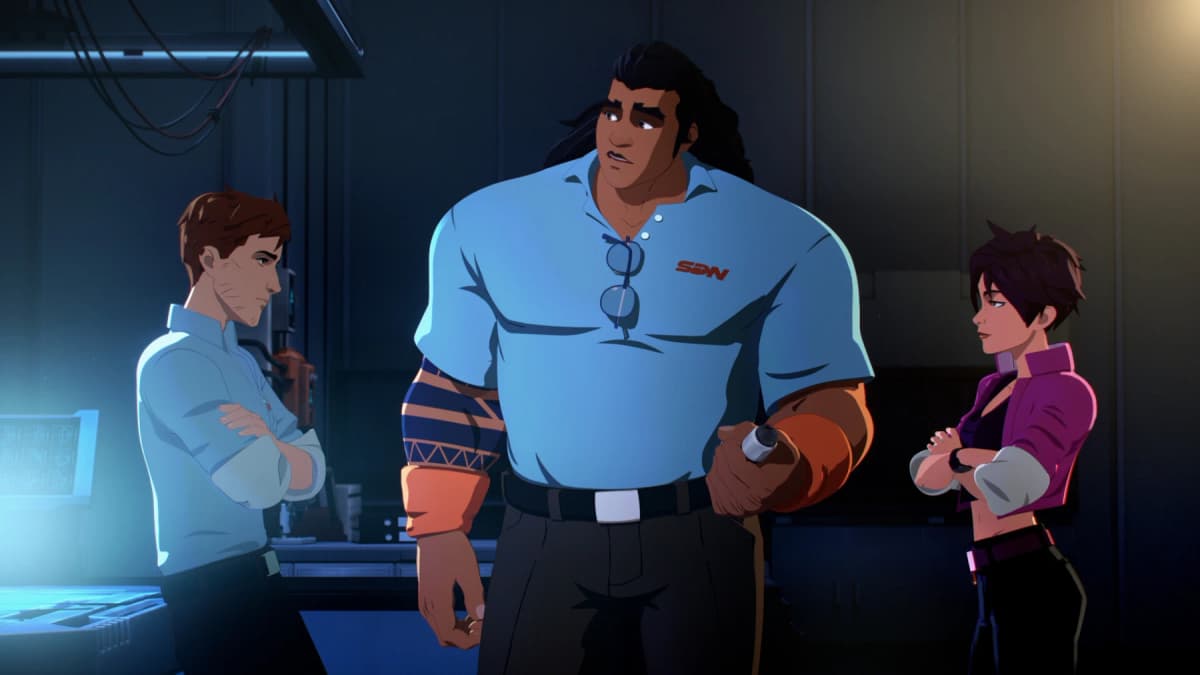
Second, it’s not just a dialogue tree factory. Dispatch blends classic Telltale-style choices with a surprisingly engaging bit of team management—deploying a motley crew of rehabilitated ex-villains while you play the former hero turned dispatcher. The tone leans office comedy with superpowers, which helps it feel fresh rather than grimdark. And the production values matter: a fully voiced cast including Aaron Paul, Jeffrey Wright, and Laura Bailey gives the whole season a prestige-TV vibe that most indie narrative games can’t touch.
The risk here is sustainability. Big-name casts and full-voice production aren’t cheap, and expectations only go up after a hit. If AdHoc can keep the cadence, keep the heart, and resist scope creep, they’ll keep winning. If they chase bigger, longer seasons to “justify” the success, the magic could slip.
Want to Level Up Your Gaming?
Get access to exclusive strategies, hidden tips, and pro-level insights that we don't share publicly.
Ultimate Gaming Strategy Guide + Weekly Pro Tips
What gamers need to know before jumping in
The good news: Season 1 is complete. No limbo, no waiting. It’s about 10 hours across eight episodes, and choices carry real consequences that make replaying tempting if you like to see alternate branches. It’s available on PC via Steam and PlayStation 5. That platform focus probably helped polish, but it does mean no Xbox or Switch—for now, at least.
Also, set expectations: this is a narrative-forward experience with light strategy. If you’re chasing Insomniac-style superhero combat, this isn’t that game. If you loved Telltale’s best seasons but wished for a tighter schedule and a funnier premise, Dispatch lands squarely in that sweet spot.
Looking ahead: Season 2 and a detour to Exandria
Given the numbers and the finale buzz, a Season 2 feels less like “if” and more like “when.” The bigger twist is AdHoc teeing up a new project set in Exandria—Critical Role’s wildly popular tabletop world. That’s a savvy move: the CR community shows up, and the setting fits AdHoc’s dialogue-driven strengths. But juggling Dispatch’s momentum and a brand-new Exandria game will test the studio’s bandwidth.
My wishlist is simple: keep the two-per-week cadence if you stick with episodic; broaden platforms without compromising performance; and don’t let bigger budgets dilute the character work that made Dispatch pop. Do that, and this win won’t be a one-off—it’ll be the blueprint for how narrative games thrive in 2025 and beyond.
TL;DR
Dispatch didn’t just sell—it snowballed. A fast, reliable episodic rollout, strong reviews, and a hybrid design pushed it past 2M players. Season 2 looks likely, an Exandria project is brewing, and the only real questions are platform expansion and whether AdHoc can keep this cadence without losing the spark.