
Dispatch Sells 1M Mid‑Season: Is Episodic Gaming Back From the Dead?
Game intel
Dispatch
Why Dispatch Actually Caught My Attention
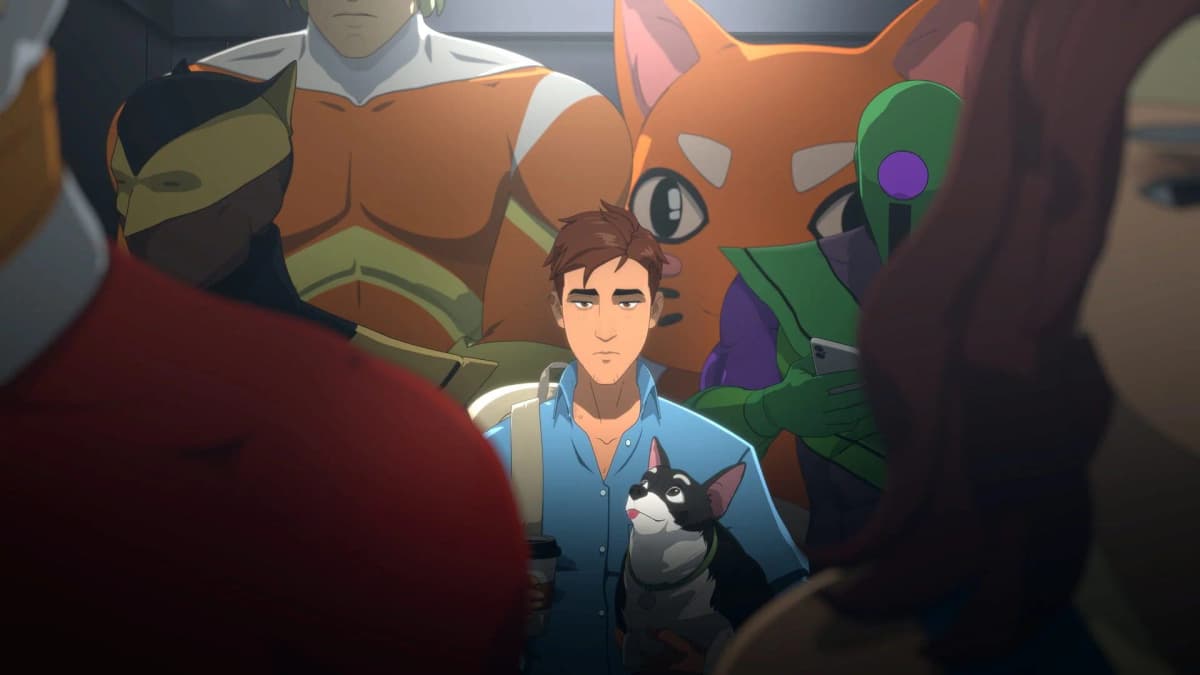
I’ve watched the episodic model faceplant more times than I can count-long gaps, cliffhangers that went nowhere, and “your choices matter” that often didn’t. So seeing Dispatch, a superhero-flavored narrative adventure from AdHoc Studio (founded by Telltale veterans), hit one million copies sold in ten days while still mid-season made me do a double-take. The hook isn’t just the sales number-it’s how they got there: a two-episodes-per-week cadence that turns a narrative game into a shared, serial event instead of a hostage situation.
Key Takeaways
- Dispatch revives episodic gaming with a fast, predictable release: two episodes every week, not months of waiting.
- The superhero twist-playing a disgraced ex-hero coordinating reformed villains—gives moral choice some actual bite.
- At 1-2 hours per episode across eight parts, decisions carry forward in manageable chunks that invite replays.
- The real test is whether finale payoffs feel earned and player-driven, not smoke and mirrors.
Breaking Down the Announcement
Here’s the core: Dispatch launched October 22 on PC (Steam) and PS5 with Episodes 1-4, then locked in a weekly rhythm—Episodes 5 and 6 on November 5, with the final two landing November 12. That schedule matters. Too many episodic releases stretched across seasons, lost momentum, and let community conversation evaporate. Dispatch is basically doing a streaming-style “mid-season drop,” then weekly drops to keep the discourse hot without overextending. It’s the first time in a while I’ve seen a studio commit to episodic pacing that respects players’ time and attention.
The million-sold milestone mid-season suggests the cadence is working as intended: momentum builds with every cliffhanger instead of dying on the vine. Crucially, AdHoc didn’t ask players to buy a promise months out—they released half the season on day one and finish within three weeks. That alone fixes the biggest trust issue the format created after the Telltale era.
The Gamer’s Perspective: Choices With Teeth
Dispatch puts you in the headset of Robert Robertson III—once “Mecha Man,” now stuck running the Superhero Dispatch Network. You don’t punch bad guys; you route missions to reformed villains and ride the line between efficiency, safety, and PR damage control. It’s a clever inversion of superhero power fantasy that immediately sets up better stakes for choices: do you send the volatile heavy who can end a crisis fast but risks collateral damage, or the reformed thief who’ll save lives but might bolt if their past creeps back in?
This is where AdHoc’s Telltale DNA shows, but with more systems-minded thinking. Decisions ripple across episodes; relationships shift; mission outcomes feed forward. Yes, we’ve all been burned by the “illusion of choice” before, but the smaller, more focused episode lengths (roughly 1-2 hours) make those branches feel tangible. You can replay an episode to test a different call without dedicating a weekend, and you feel the consequences by the very next drop. The tone helps too—dark humor and messy redemption arcs instead of capes-and-catchphrases fluff.
FinalBoss // Gear
Level up your setup
01Top-rated gaming headsetson Amazon→02High-refresh gaming monitorson Amazon→03Gaming chairson Amazon→04Discounted game keyson Kinguin→Affiliate links · As an Amazon Associate, FinalBoss earns from qualifying purchases.
Industry Context: A Second Chance for Episodic
Episodic gaming didn’t fail because players hate cliffhangers; it failed because studios couldn’t keep promises. Delays shattered momentum, and by the time finales arrived, the audience had moved on. We’ve seen bright spots (Tell Me Why’s weekly cadence worked; Hitman 2016’s structure built community skill meta), but consistency was rare. Dispatch flips the script: ship half the season at launch, finish in weeks, not quarters. It’s closer to a tightly planned miniseries than a live-service drip, and the community energy—discussion, theory-crafting, “who did you send?” debates—thrives on that predictable tempo.
There’s also some genre timing magic here. Superhero fatigue is real, but Dispatch isn’t another power-trip brawler—it’s about bureaucracy, accountability, and who gets to call themselves a hero. That’s fresher than yet another origin story and plays well with players who want narrative stakes without MCU bombast.
Want to Level Up Your Gaming?
Get access to exclusive strategies, hidden tips, and pro-level insights that we don't share publicly.
Ultimate Gaming Strategy Guide + Weekly Pro Tips
What Gamers Need to Know
- Platforms: PC (Steam) and PlayStation 5.
- Release cadence: Episodes 5–6 hit November 5; Episodes 7–8 on November 12.
- Structure: Eight episodes total; about 1–2 hours each. Perfect for “one more episode” nights.
- Format: Single purchase up front with episodes rolling out on schedule—no subscription shenanigans.
- Playstyle: Narrative-first with dialogue choices, mission assignments, character dossiers, and relationship tracking.
- Replays: Short episodes make it easy to chase alternate outcomes and compare routes with friends.
Potential watch-outs? Choice-heavy games live or die on payoff. If the finale funnels wildly different runs into the same few outcomes, players will feel it. Save carryover stability also matters—nothing kills a choice-driven campaign like a corrupted import. If AdHoc sticks the landing and keeps performance clean on both PC and PS5, Dispatch will have earned its buzz rather than borrowed it from nostalgia.
Looking Ahead
Right now, Dispatch is doing what episodic games are supposed to do: make the week between drops feel electric. The next question is whether Episodes 7 and 8 deliver consequences that reflect how you ran the SDN, not just who you romanced or which line you picked in a tense call. If the finale pays off the reformed-villain gambles and the bureaucratic compromises you chose to stomach, we might be looking at the template for how episodic narrative comes back—tighter, faster, and actually finished.
TL;DR
Dispatch sells 1M mid-season by doing episodic right: fast cadence, focused episodes, and choices that hit quickly. If the finale pays off player decisions, this could be the blueprint for episodic gaming’s comeback.