
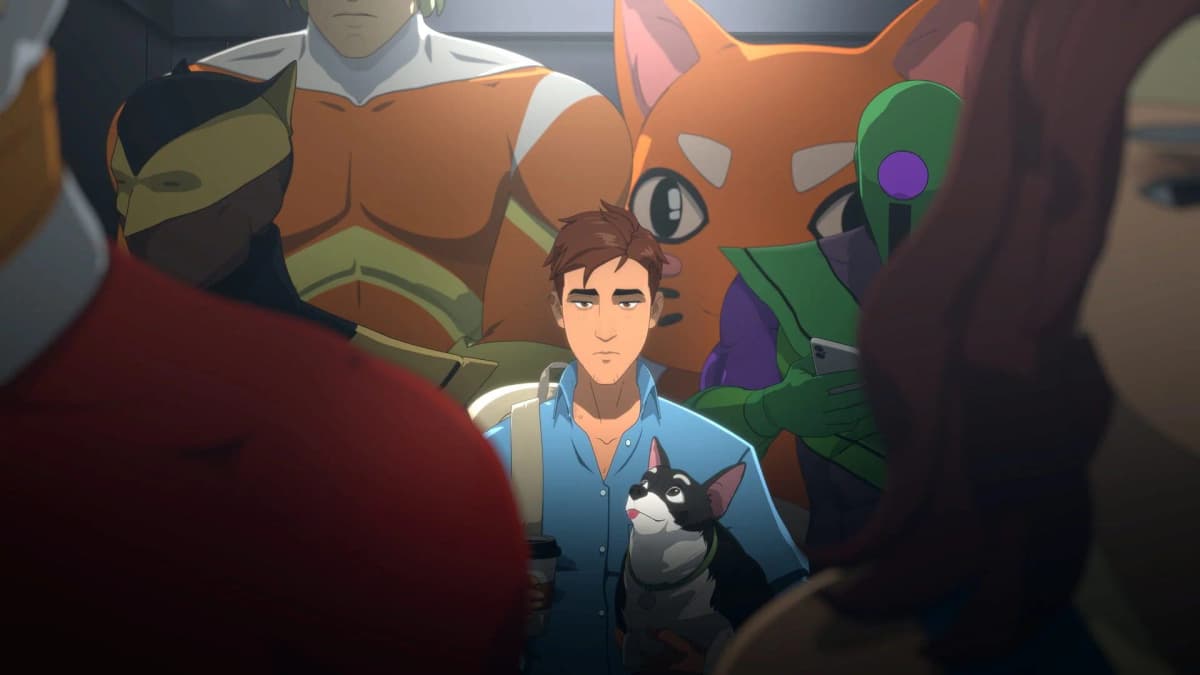
Dispatch survived a seven-year nightmare and sold a million copies — now what?
Game intel
Dispatch
Why Dispatch’s survival matters more than its sales number
This caught my attention because Dispatch doesn’t read like a typical success story – it’s the opposite. AdHoc spent nearly seven years grinding through funding losses, creative rewrites, and outright rejection to ship an episodic superhero workplace comedy that nevertheless sold a million copies in 10 days. That kind of “against-all-odds” launch is news not because of the headline figure, but because it speaks to how small teams can pivot, survive, and still find an audience in a turbulent market.
- Key takeaway 1: A million sales in 10 days proves there’s appetite for character-led, episodic experiments even outside triple-A funding.
- Key takeaway 2: Dispatch almost died – multiple times – which shaped its final, lighter tone and episodic dispatch-system design.
- Key takeaway 3: With PS5/PC out and Switch + Switch 2 arriving Jan 28, the sequel potential and platform expansion are now realistic and fast-tracked.
Breaking down the real story behind the headlines
Games that take forever to make often carry a myth of perfectionism. Dispatch’s delay wasn’t that. Writer and co‑founder Pierre Shorette put it bluntly: “We’re taking GTA 6 amounts of time on this shit.” That quote sums up the ugly truth — AdHoc’s long development cycle came from surviving financial chaos, not polishing forever. A publisher walked away mid-project, the wider industry hit a downturn, and the team kept the lights on with contract work. If that cash stopgap hadn’t existed, Dispatch likely wouldn’t exist at all.
What’s more interesting than the “seven years” line is how the game changed during that stretch. Dispatch started as a darker live‑action interactive TV idea and a story about a single hero. COVID, funding swings, and repeated rejection pushed the team to lighten the tone and expand the cast into a dysfunctional team of dispatch heroes. That pivot from gritty to sitcom-like reshaped the game into something broader and more replayable — and apparently, more saleable.
FinalBoss // Gear
Level up your setup
01Top-rated gaming headsetson Amazon→02High-refresh gaming monitorson Amazon→03Gaming chairson Amazon→04Discounted game keyson Kinguin→Affiliate links · As an Amazon Associate, FinalBoss earns from qualifying purchases.
Why this matters for players and the industry
First, Dispatch’s success undercuts the narrative that only big studios with massive budgets can create breakout hits. An episodic, character-driven game finding commercial success suggests players still crave voice-led comedy and systems that let ensembles shine. It also matters because AdHoc can now approach Season 2 without the seven-year albatross — the groundwork is laid, and that potentially means a faster, tighter follow-up instead of another marathon.
Second, the timing of platform releases is strategic. Dispatch is already on PS5 and PC; the Switch and Switch 2 ports land January 28. Nintendo platforms still amplify word-of-mouth and longevity for indie titles, and getting onto Switch 2 early could position Dispatch for renewed attention in 2025 when people are actively exploring the new hardware’s library.
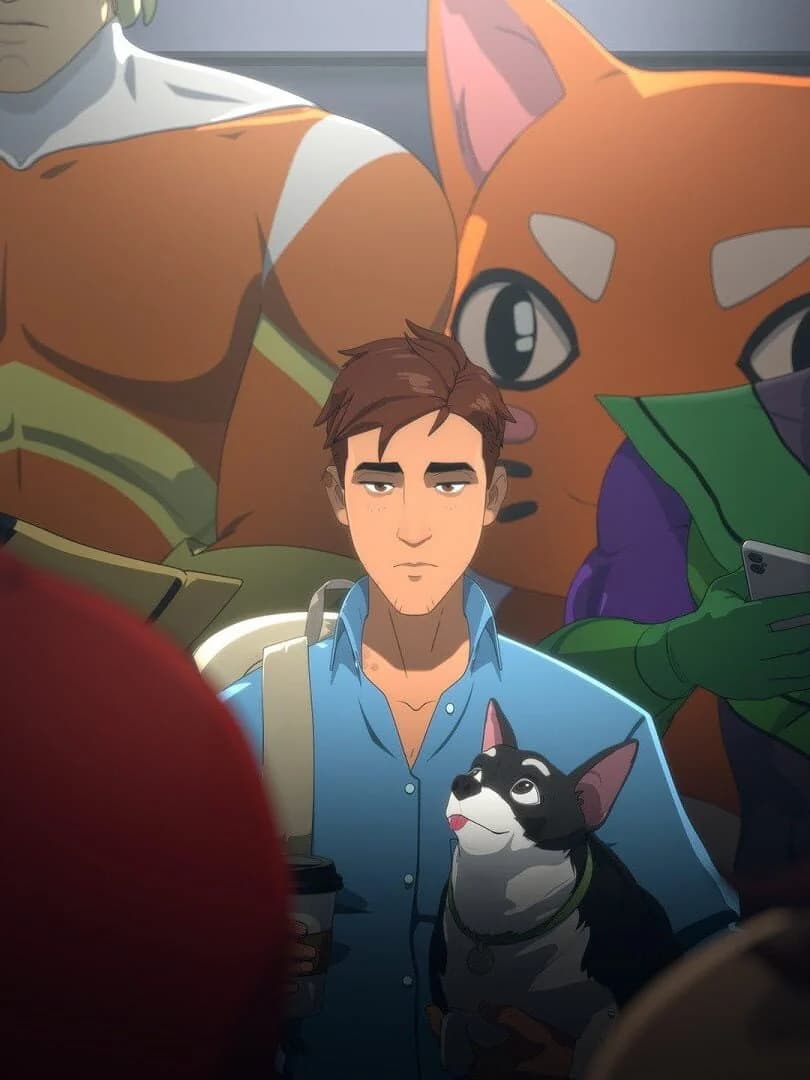
Third, there’s a tension to watch: success brings attention and with it the risk of creeping corporate pressure. AdHoc went from “everyone telling us it’s a bad idea” to fielding new expectations. That often leads publishers to push for monetization, seasonal content cuts, or gameplay shifts to chase bigger audiences. The game’s current charm is in its tone and ensemble; keeping that intact will be the real test if Dispatch grows into a franchise.
Want to Level Up Your Gaming?
Get access to exclusive strategies, hidden tips, and pro-level insights that we don't share publicly.
Ultimate Gaming Strategy Guide + Weekly Pro Tips
What gamers should expect next
- Faster Season 2 development — the heavy R&D is complete, so a quicker cycle is realistic.
- Platform-driven resurgence — Switch ports often revive sales and community chatter.
- Potential publisher interest and monetization talk — success attracts offers; stay skeptical about aggressive DLC or microtransaction plans.
AdHoc’s game director Nick Herman is candid: they were “right there” when the industry collapsed. That honesty is refreshing — and it frames Dispatch’s launch as a survival story as much as a creative win. For players, this should translate to a game that’s earnest, character-first, and built by people who nearly lost everything to ship it. That kind of passion is rare and can’t easily be manufactured, which is part of why Dispatch resonates despite its messy origin story.

TL;DR
Dispatch is more than a surprise million-seller: it’s proof that small teams can pivot under pressure and still reach players. With Switch and Switch 2 ports on Jan 28 and Season 2 easier to make, the next year will tell whether AdHoc can keep the charm that carried them through a development nightmare or if outside forces reshape the project into something less special.