
Table of Contents (7)
Why Dispatch’s Blonde Blazer Drama Actually Matters
Dispatch’s episodic experiment did more than revive watercooler theorycrafting – it produced a real-world reaction the developers didn’t expect: parts of the fandom actively villainized Blonde Blazer after episode two revealed she was dating Phenomaman. That backlash mattered because it showed how much players were emotionally invested, how quickly nuance can evaporate online, and why AdHoc Studios’ gamble on a short, weekly episodic cadence paid off in engagement – for better and worse.
- Blonde Blazer’s reveal in episode two sparked targeted negativity that surprised and “heartbroken” the developers.
- Dispatch’s weekly release plan doubled peak concurrent Steam numbers with each drop and peaked above 220,000 at finale.
- The format amplified theorycrafting – and tribalism — proving episodic games can still create cultural moments.
What actually happened — and why it hit a nerve
At the end of episode two, Dispatch revealed Blonde Blazer was romantically involved with Phenomaman — a twist that directly collided with players who chose a different romance path. That collision turned from disappointment into targeted harassment in some corners of social media, where simplified takes and hot takes drowned out the story’s nuance. AdHoc’s creative director Dennis Lenart said the response was heartbreaking: “No one could have predicted that people would see the Blonde Blazer character and think that she did not have true intentions. She’s always been this pure-hearted character to us. So, as developers, we’re heartbroken.”
Why the episodic format mattered — and why AdHoc doubled down on it
This controversy isn’t only a morality tale about online mobs; it’s proof the episodic structure worked exactly the way AdHoc intended. Releasing two episodes at once and then keeping only a week between subsequent drops forced players to sit with cliffhangers, craft theories, and argue loudly. The results: peak concurrent Steam players effectively doubled as each batch dropped and, by the finale, Dispatch briefly surpassed 220,000 concurrent users — numbers that make publishers and platforms pay attention.
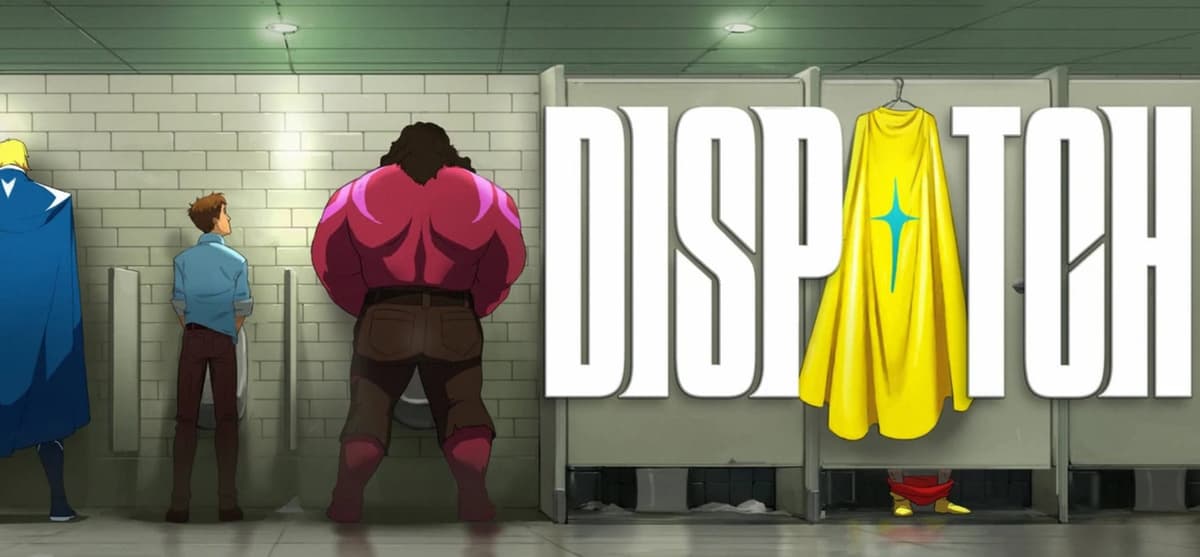
Lenart framed the choice as a creative fight they had to win: “A lot of people said ‘don’t do this, don’t do that’ … getting the chance to have our own IP in our own studio just kind of made us go, ‘all right, well, maybe this is it. So let’s just do the thing we want to do.’” That defiance translated into a lived experiment in release cadence — short waits, maximum social momentum.
The fandom reaction: theorycrafting, tribalism, and spoilers
People love a mystery and they love being right — or loudly certain — online. Dispatch’s structure created both. Narrative designer Polly Raguimov relished the wild theories that rolled into their Slack: “It was very funny how many theories there were about who Shroud is when we literally say who Shroud is at the very beginning of the game … And the twist is that there is no twist.” That kind of meta-play — fans reading like detectives — is a positive sign of engagement, but it can tip into tribalism when social media’s low-effort outrage mechanics take hold.
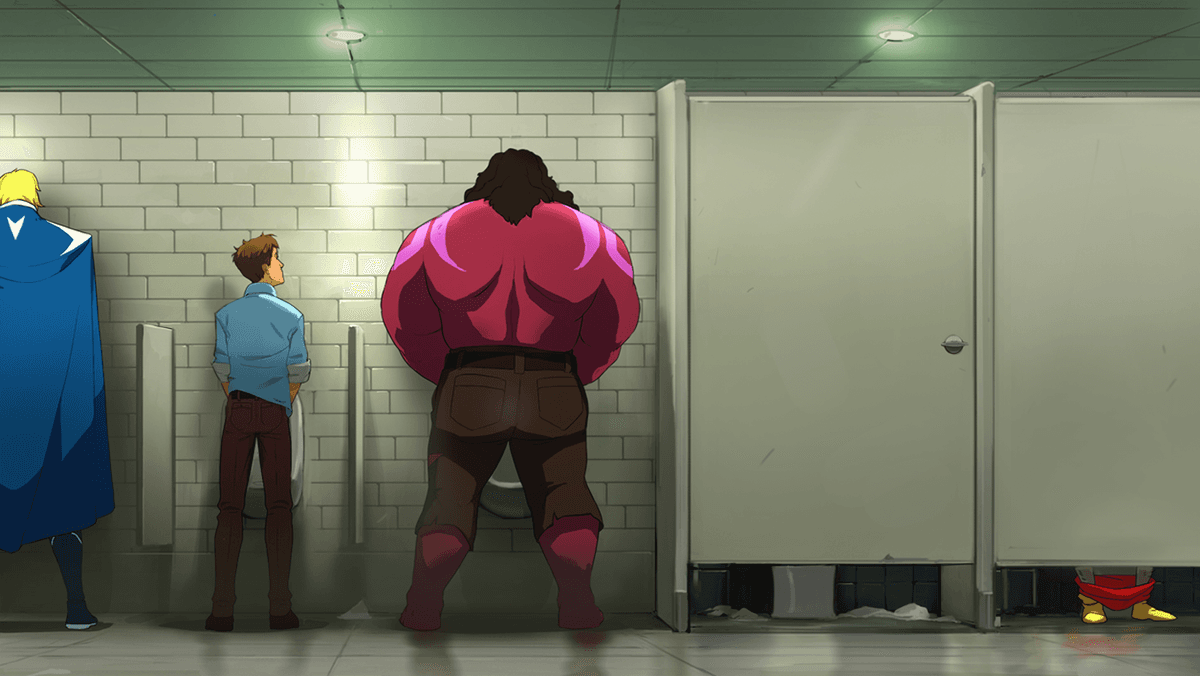
What this means for episodic games and developers
Dispatch’s run is a mini-case study: episodic releases can generate sustained hype, community theorycrafting, and impressive concurrent-player spikes — but they’ll also concentrate social blowups. For smaller studios, that’s a double-edged sword. You get enormous visibility and real-time player feedback, but you also have to be prepared to protect your team and characters from rapid-fire misinterpretations.
There’s also a marketing question that’s worth asking out loud: how much of the attention was organic fandom versus manufactured outrage that fuels metrics? AdHoc insists the cadence was about pacing, not provocation. Either way, the result is clear — Dispatch succeeded at turning a game into a week-by-week conversation in a landscape that has mostly moved on from episodic storytelling.
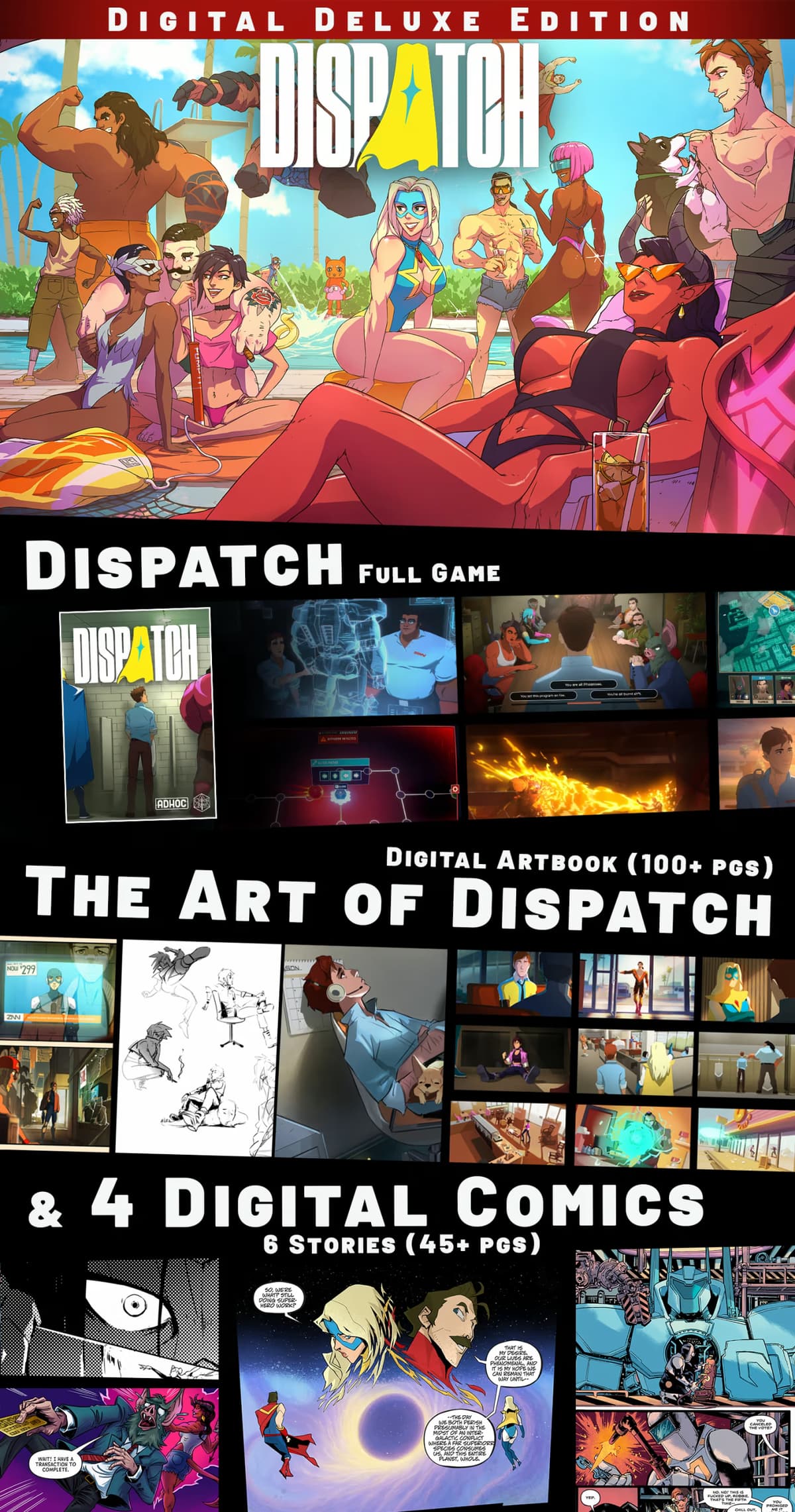
The gamer’s perspective: why Blonde Blazer’s mess actually shows the game worked
Blonde Blazer isn’t a cartoon villain — she’s flawed and human, which is why the backlash stung the devs. But that same complexity is what made players care enough to argue. As a gamer, I want developers to make characters who provoke thought and argument; I don’t want harassment. Dispatch gave us both the narrative teeth and the social scaffolding to debate it, and that messy mix is part of why I think episodic can still be vital for storytelling in games.
TL;DR
AdHoc’s episodic Dispatch proved the format still works — driving huge player spikes and relentless theorycrafting — but the Blonde Blazer controversy exposed the darker side of fast-moving fandom. The game built a community that cared enough to argue, and that’s both the triumph and the responsibility of episodic storytelling.
FinalBoss // Gear
Level up your setup
01Top-rated gaming headsetson Amazon→02High-refresh gaming monitorson Amazon→03Gaming chairson Amazon→04Discounted game keyson Kinguin→Affiliate links · As an Amazon Associate, FinalBoss earns from qualifying purchases.