
Dispatch’s Free Steam Demo Turns Superhero Chaos Into Office Comedy — And It Works
Game intel
Dispatch
A superhero hotline with The Office energy
Dispatch grabbed me the second I realized it wasn’t another cape-and-punch power fantasy. It’s a darkly comic, desk-bound sitcom where you’re the one on the phone, sending washed-up villains on redemption runs while juggling workplace politics and catastrophe management. Think The Office colliding with The Boys by way of a 911-operator game, only written by veterans behind Tales from the Borderlands and The Wolf Among Us. There’s a free Steam demo right now, and if you’ve missed smart, reactive narrative games with actual personality, this one deserves a call.
- Telltale DNA is obvious: sharp writing, reactive banter, and that nostalgic “X will remember that” sting.
- A tactical dispatch layer adds stakes beyond dialogue, not just a veneer-at least in the opening hours.
- Star voice cast (Aaron Paul, Laura Bailey, Matthew Mercer, Jeffrey Wright) elevates the whole production.
- Free demo covers the first two of eight episodes; full launch lands October 22, 2025.
Breaking down the demo: punchlines and pressure calls
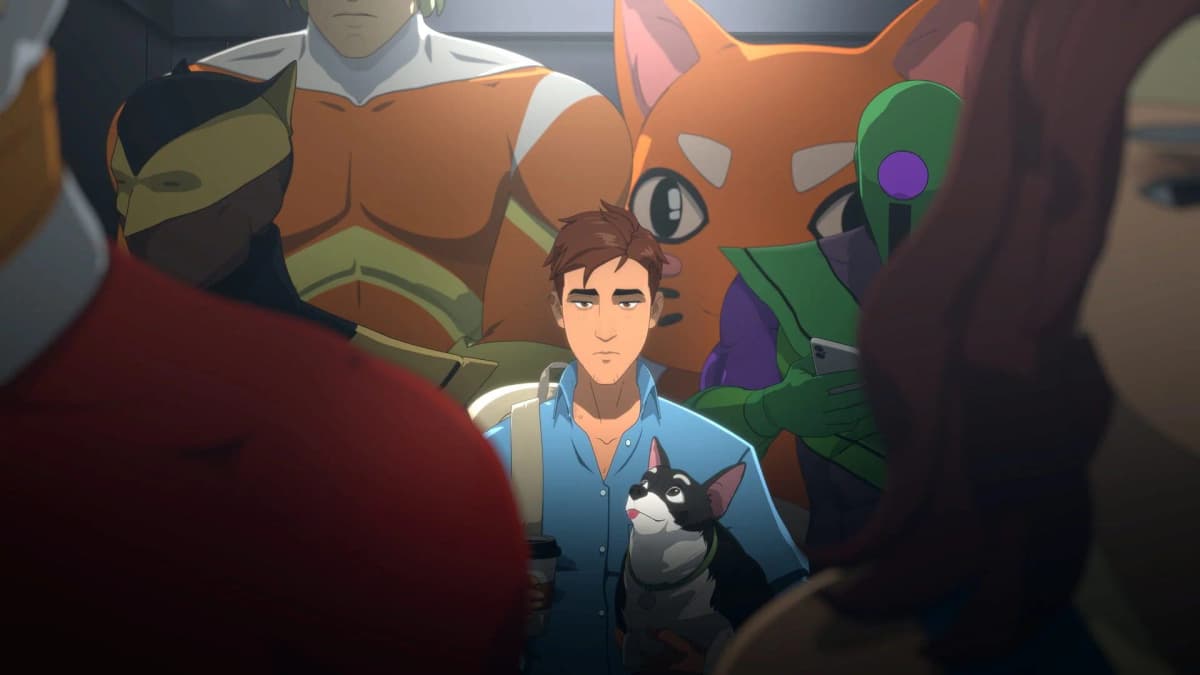
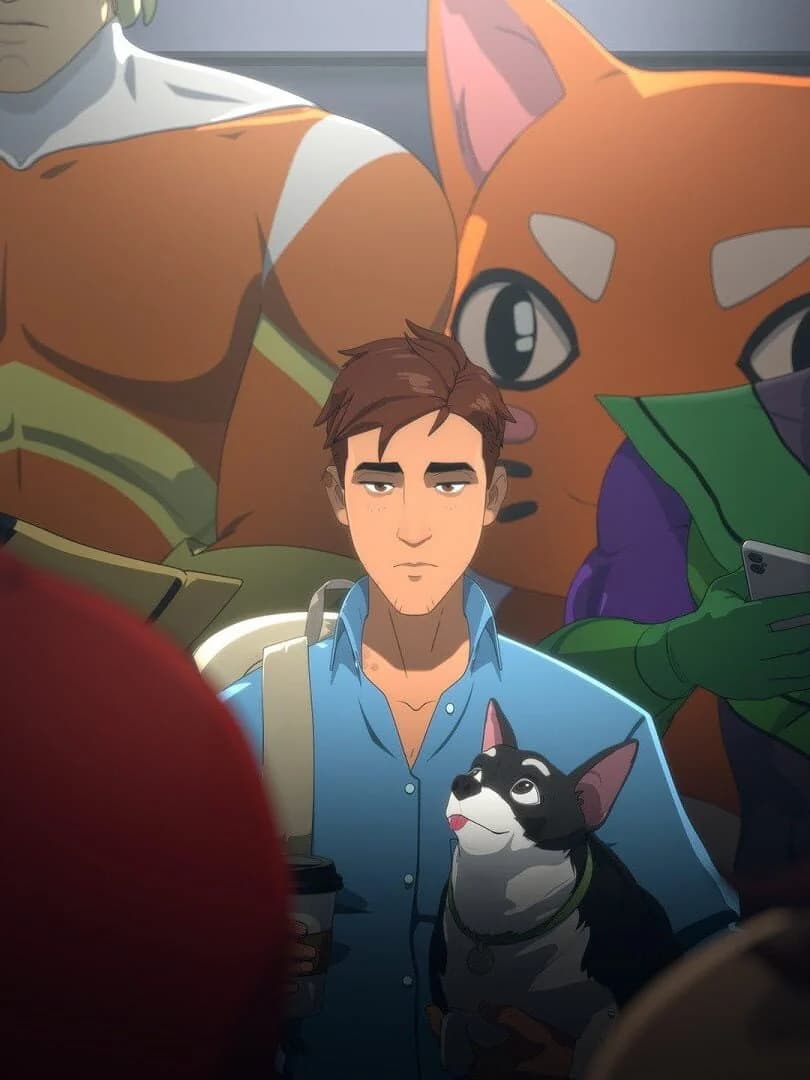
You play Robert Robertson (yes, really), formerly Mecha Man-imagine Iron Man stripped of charisma and then stripped of his suit after a very public screw-up. Now you’re an incognito dispatcher at a hero agency that rehabs former villains. Your day job: pick up ridiculous calls (grandma stuck in a bathtub, a school that’s somehow on fire) and send out your misfit roster. The cast is a gallery of trainwrecks: a pint-sized strongman nicknamed Punch Up, a bat-brained grifter called Sonar, and a hot-headed pyro who remembers if you were a jerk at the bar. It’s all played for gallows humor, but the banter is tight enough that it lands more often than not.
What surprised me is how slick the presentation feels. The comic-book art style pops without resorting to cheap filters, and transitions between interactive scenes and cinematics are fluid. It genuinely feels like playing through a finished animated series, not a storyboard held together with hope. That tracks with the pedigree: Telltale’s best work thrived on timing, and Dispatch channels that zip without falling into the old trap of “stand still and pick a dialogue option every 30 seconds.”
Telltale-style choices, with a twist
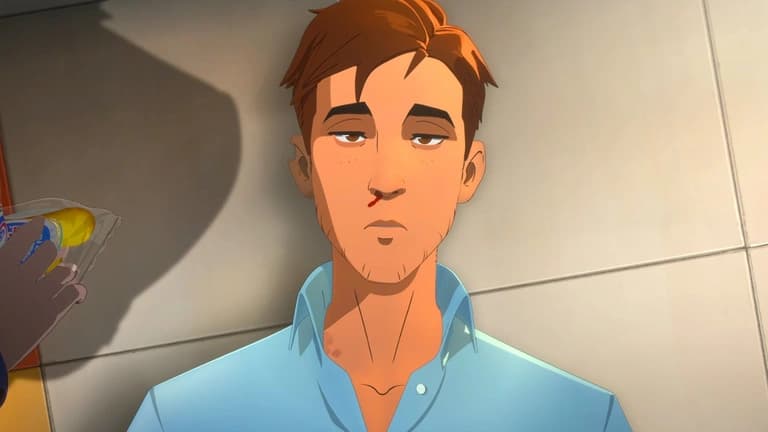
Dispatch wears its influences on its sleeve. The infamous tooltip-“X will remember that”—pops up, and yeah, it triggered a very specific nostalgia rush. Choices in the demo mostly ripple for flavor, but there are clever callbacks. One hero asks your favorite donut early on; later, that same donut gets smeared across your keyboard during a blow-up. It’s small, but it proves the writers are tracking your personality, not just binary fail states. A budding office romance offers another thread the game clearly plans to track across episodes—expect your flirtations and faux pas to stick.
There’s also a clear statement of intent from the devs. As the Steam page puts it (translated): “From break-room banter to life-or-death situations in the field, your choices shape your relationships with the heroes, their alliances, and the direction your own story takes.” It’s marketing, sure, but based on two episodes, the scaffolding is there for relationship arcs to pay off beyond simple “nice vs. snarky” toggles.
The dispatch layer: more than a pretty map?
Here’s where Dispatch tries something smarter than a straight narrative adventure. You get a strategic map and a time-sensitive inbox of crises. Your job is to assign the right (or wrong, if you’re feeling chaotic) ex-villain to each situation, weighing risk, traits, and potential rewards. Send the brilliant-but-unreliable bat guy to a precision job? You might scrape by with bonus intel—or watch him relapse and tank your relationship. Choose well and you’ll unlock boons and skill points you can funnel back into your team, which hints at long-tail progression across the season.
FinalBoss // Gear
Level up your setup
01Graphics cardson Amazon→02Gaming laptopson Amazon→03High-refresh gaming monitorson Amazon→04Discounted game keyson Kinguin→Affiliate links · As an Amazon Associate, FinalBoss earns from qualifying purchases.
My cautious optimism: this system could break the classic Telltale illusion-of-choice problem by letting outcomes hinge on your roster management, not just binary dialogue locks. My skepticism: if the dispatch game devolves into “match the green stat to the green icon,” it’ll feel like busywork between the jokes. The demo dodges that by layering personality-driven wrinkles onto missions, but the real test will be later episodes—injuries, rivalries, resource scarcity, and cascading failures are where these systems either sing or snooze.
Why this matters now
We’re in a weird spot for narrative games. Telltale imploded, re-formed, and the genre’s been rebuilding confidence ever since. The projects that stuck—Not For Broadcast, Citizen Sleeper—did so by marrying strong writing with mechanics that actually matter. Dispatch looks like it understands that assignment. It’s not chasing prestige TV; it’s leaning into workplace comedy, messy relationships, and crisis triage with punchy, performed dialogue from actors who can carry a scene. Aaron Paul sells Robert’s exhausted sarcasm, and the rest of the cast (Laura Bailey, Matthew Mercer, Jeffrey Wright, plus YouTube heavy-hitters like Jacksepticeye and MoistCr1TiKaL) gives the ensemble real texture instead of cameo fluff.
Is the humor a little edgy? Definitely. But it’s closer to Borderlands’ best episodes—character-driven absurdity—than to the try-hard, wink-at-the-camera stuff we’ve seen too much of. If the writers can keep threading heart through the snark, Dispatch could be that rare comedy game with staying power.
Looking ahead
The demo clocks in around two episodes out of the planned eight, and it’s a confident start: a distinct tone, a lovable cast of failures, and a gameplay loop that feels fresh without drowning you in systems. The big questions heading into launch on October 22, 2025: do your choices meaningfully reshape missions and relationships by mid-season? Does the dispatch layer escalate with new constraints and consequences? And can the game keep the jokes sharp without sanding off the uncomfortable bits that give the world its bite?
For now, the free demo makes a strong case to watch this one. If you’ve been waiting for a narrative game that respects your time, lets you be a disaster at a desk, and still gives you a crew to care about, pick up the phone.
TL;DR
Dispatch is a darkly funny, Telltale-flavored office sitcom about sending reformed villains into ridiculous emergencies. The free Steam demo shows sharp writing, ace performances, and a promising tactical dispatch layer. It could be special if later episodes deepen the consequences—full release hits October 22, 2025.