
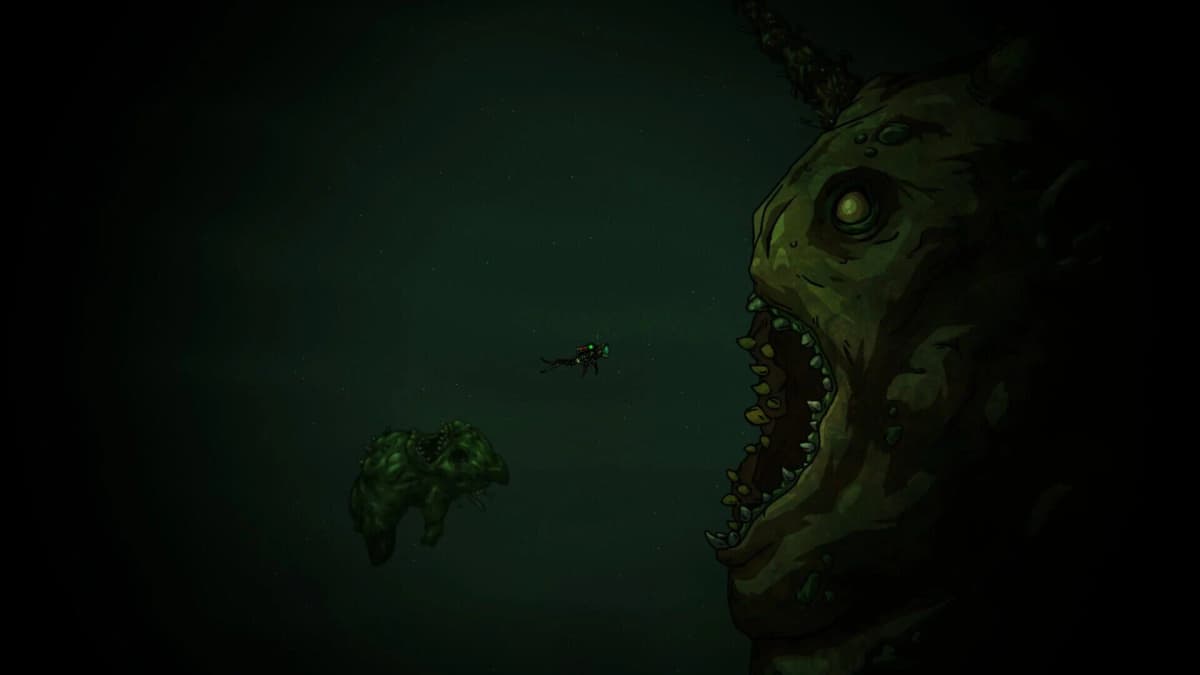
Endgame survival in Dive or Die: Children of Rain comes down to protecting the clock while making every dive serve a clear purpose. You need to recover all eight Eldritch Idols and offer them to the Rainmaker on the final day, so avoid dives that do not advance an idol objective, solve a survival problem, or support your camp’s next upgrade.
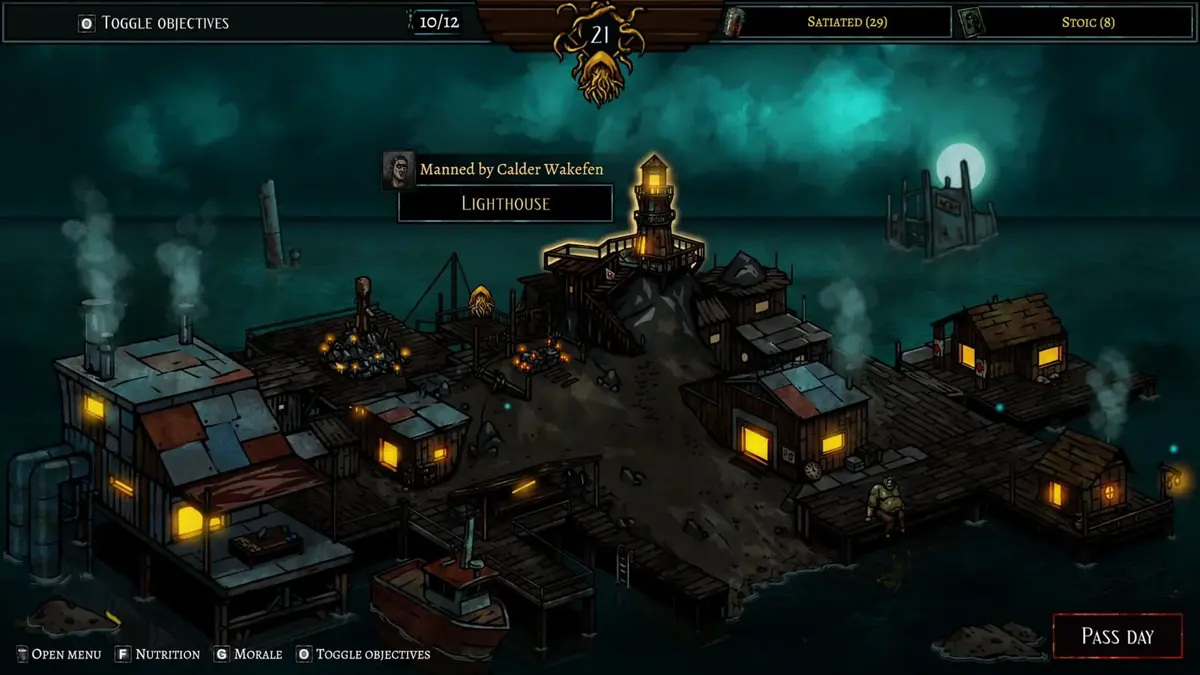
The trap is treating the surface camp as downtime. Camp decisions determine whether your next descent into the Abyssal Pool is productive enough to justify spending another day, especially once oxygen, injuries, madness, and the Flood Countdown begin squeezing the run from different directions.
Table of Contents (10)
Understand the Two Endgame Time Pressures
The full run is built around a fixed deadline. You must collect eight Eldritch Idols within the available time and present them on the final day to satisfy the Rainmaker before the flood arrives. Normal difficulty gives you 40 Days rather than 30, creating more room to recover from a poor dive or change your camp plan.
The Flood Countdown creates a second layer of pressure after your first return to the surface. When that countdown reaches zero, the Rainmaker floods all land and the run ends. Keep it in mind as its own failure condition rather than assuming it works exactly like the broader 30- or 40-Day objective.
Current Demo Day Rules
In the current demo, the run is capped at 10 in-game days and the countdown begins on day 3. Only two actions advance the day counter: starting a dive and using the camp’s Pass Day button.
That makes the decision point simple: do camp management before you commit to either action. A dive spends time, and passing the day spends time without recovering an Idol. Do not press Pass Day out of routine; use it only when it fits the next concrete step in your plan.
Use a Clock-Safe Dive and Camp Loop
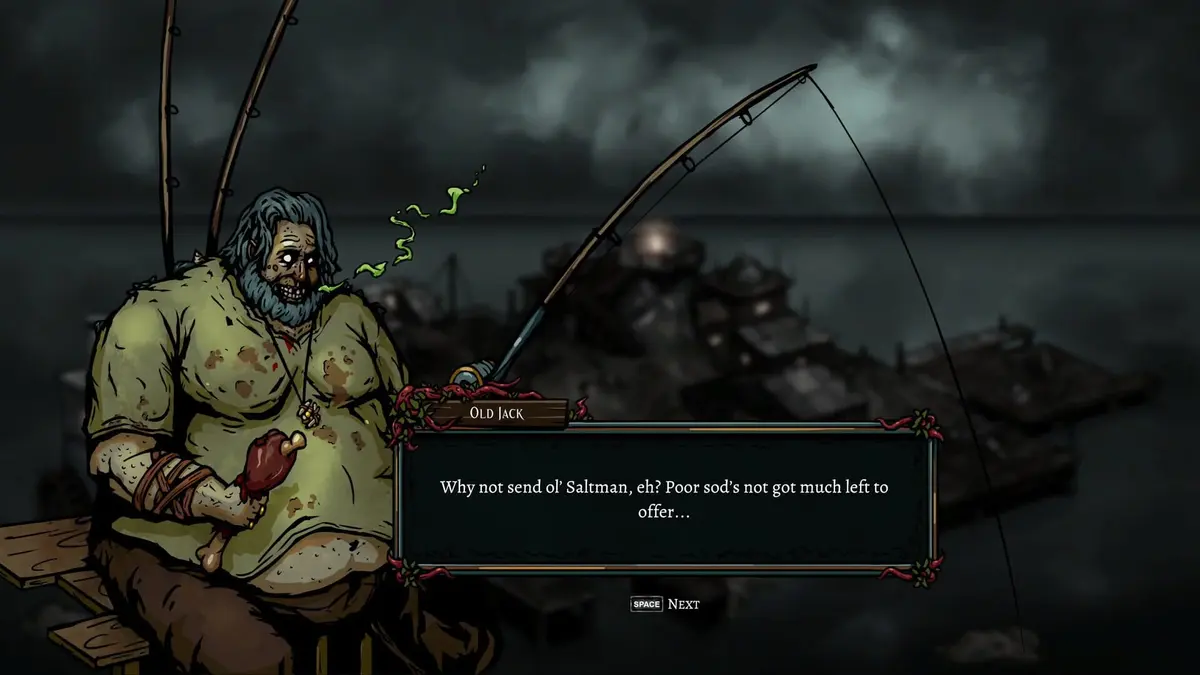
The most reliable endgame loop is to set one purpose for each dive, return when that purpose is complete or your diver’s condition becomes dangerous, then use the surface camp to prepare the next purpose. This prevents the Abyssal Pool from turning into a chain of expensive, unfocused expeditions.
- Choose the next dive’s output before entering the water. Make it an Idol, a resource requirement for a needed settlement decision, or a specific survival need. If the target is unclear, keep working at camp rather than immediately diving again.
- Check oxygen, injury, and madness before committing. These pressures are part of the cost of a descent. A run can lose more from forcing a damaged or unstable diver into another route than from taking time to stabilize the camp plan first.
- Return with a reason to stop. Once you have secured the intended recovery or your survival state has worsened enough to threaten the next objective, preserve the run. Greedy detours are hardest to justify when the Flood Countdown is active.
- Convert the return into progress at camp. Scavenge, review available upgrades, manage survivors, and decide whether the next dive directly advances the Idol goal.
- Spend days deliberately. Diving and passing the day are the actions that move the demo’s day counter. Treat each one as a resource commitment rather than a menu transition.
Prioritize Settlement Builds That Support Repeatable Dives
Your surface settlement is the part of the run that turns short-term underwater gains into lasting momentum. Buildings, perks, upgrades, and recruited survivors all compete for attention, so prioritize choices that support the immediate endgame route rather than spreading resources across every available option.
- First priority: dive stability. Favor upgrades and perks that help your plan handle the pressures attached to diving: oxygen, injuries, and madness. Your camp should make the next Idol route more manageable, not merely add another task to maintain.
- Second priority: the next Idol bottleneck. If a settlement choice directly supports the route required for your remaining sacred relics, it has more value than a broad upgrade with no role in the current objective.
- Third priority: survivor management. Recruiting survivors expands the camp’s options, while sacrificing companions can protect the settlement in desperate circumstances. Treat a companion sacrifice as a survival trade-off with a real long-term cost, not a default response to pressure.
- Last priority: anything without a job before the deadline. A build choice that does not improve survival, support the next descent, or help close out the Idol objective can wait.
This priority order matters because the game asks you to manage a base under apocalyptic pressure, not build freely between expeditions. The Black Rain and approaching Flood make every camp investment part of the same survival equation.
Plan Blessed Items Around Your Biome Route
Blessings create a major long-term versus short-term decision. Blessing a biome is a permanent commitment, while Blessed Items obtained through the Gazing Moon event are temporary. Build your main route around the permanent choice, then use temporary Blessed Items to solve a current problem instead of rebuilding the entire plan around an event reward.
Choose a Permanent Biome Blessing for Your Main Need
Before committing to a biome blessing, look at the Idol route and the camp problem you are trying to solve. A permanent blessing is strongest when it supports multiple future dives or removes a repeated obstacle. It is a poor fit when it only helps with a one-off situation that a temporary Blessed Item could cover.
Use Gazing Moon Items as Timed Flexibility
The Gazing Moon event is your temporary Blessed Item acquisition window. When it gives you a Blessed Item, assign it to the nearest useful biome or survival need. That keeps the reward tied to a real dive objective and prevents the event from pulling you away from the remaining Eldritch Idols.
- Use permanent biome blessings for the route you expect to rely on repeatedly.
- Use temporary Blessed Items to cover a gap in the current stage of the run.
- Do not delay a necessary Idol objective solely to wait for a temporary reward.
- Reassess your biome plan after every major Idol recovery, because the best permanent investment can change as the remaining routes narrow.
Build the Run Around Eight Idols, Not Around Perfect Dives
The endgame objective is eight Eldritch Idols, not a flawless expedition log. A dive that returns safely with the relic or resource your plan requires is more valuable than an extended descent that adds risk without moving you toward the final offering.
- Set the first camp direction. Establish which biome blessing and settlement priorities support the safest repeatable dive route.
- Recover Idols with purpose. Track which relics are already secured and make the next dive target one of the remaining requirements whenever possible.
- Use temporary blessings to patch immediate weaknesses. Gazing Moon rewards should support the current route, especially when a permanent biome commitment would be excessive.
- Protect the final-day plan. As the run closes, reduce optional detours and keep the camp focused on getting all eight Idols ready for the Rainmaker.
Common Endgame Mistakes
- Diving without a defined objective. Every descent advances the demo day counter, so an exploratory run with no Idol, resource, or survival target can cost more than it returns.
- Using
Pass Daycasually. Passing the day is one of only two actions that advances time in the current demo. Finish useful camp management before choosing it. - Overcommitting to a temporary Blessed Item. Gazing Moon rewards are valuable, but they are temporary. Let permanent biome blessings carry the core plan.
- Forcing a dive through injury, oxygen pressure, or madness. The Abyssal Pool punishes pushing past a worsening survival state when the camp still needs attention.
- Building broadly instead of solving the next bottleneck. Settlement upgrades and perks should serve your next descent or the remaining Idol route under the Flood Countdown.
- Forgetting the final offering. Recovering Idols is only part of the objective; all eight must be offered to the Rainmaker on the final day.
Practical Endgame Takeaway
For the cleanest endgame run, make every time-advancing action earn its place: dive for a specific Idol or bottleneck, use camp time to make the next descent safer, commit permanent blessings to your main biome plan, and treat Gazing Moon Blessed Items as temporary route support. Keep the eight-Idol final offering ahead of every optional detour, because once the Flood Countdown reaches zero, the Rainmaker ends the run immediately.
FinalBoss // Gear
Level up your setup
01Top-rated gaming headsetson Amazon→02High-refresh gaming monitorson Amazon→03Gaming chairson Amazon→04Discounted game keyson Kinguin→
Affiliate links · As an Amazon Associate, FinalBoss earns from qualifying purchases.
Want to Level Up Your Gaming?
Get access to exclusive strategies, hidden tips, and pro-level insights that we don't share publicly.
Ultimate Guide Strategy Guide + Weekly Pro Tips