
Don’t Scream Together survived a catastrophic voice-chat launch
Game intel
Don't Scream Together
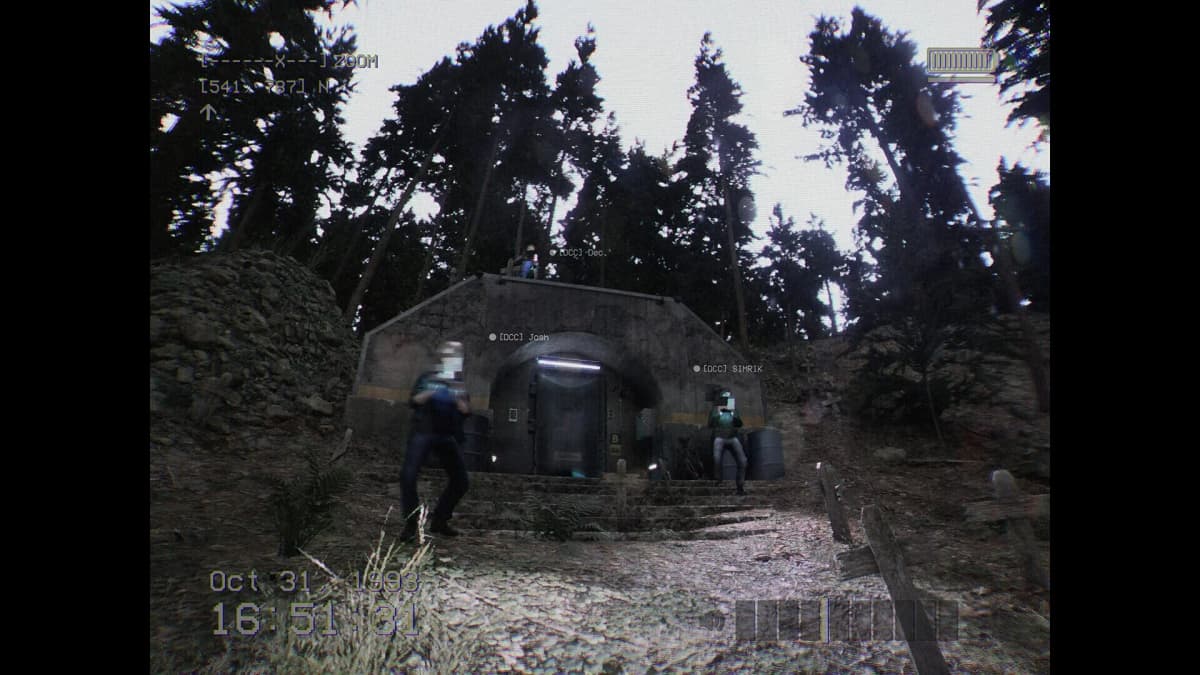
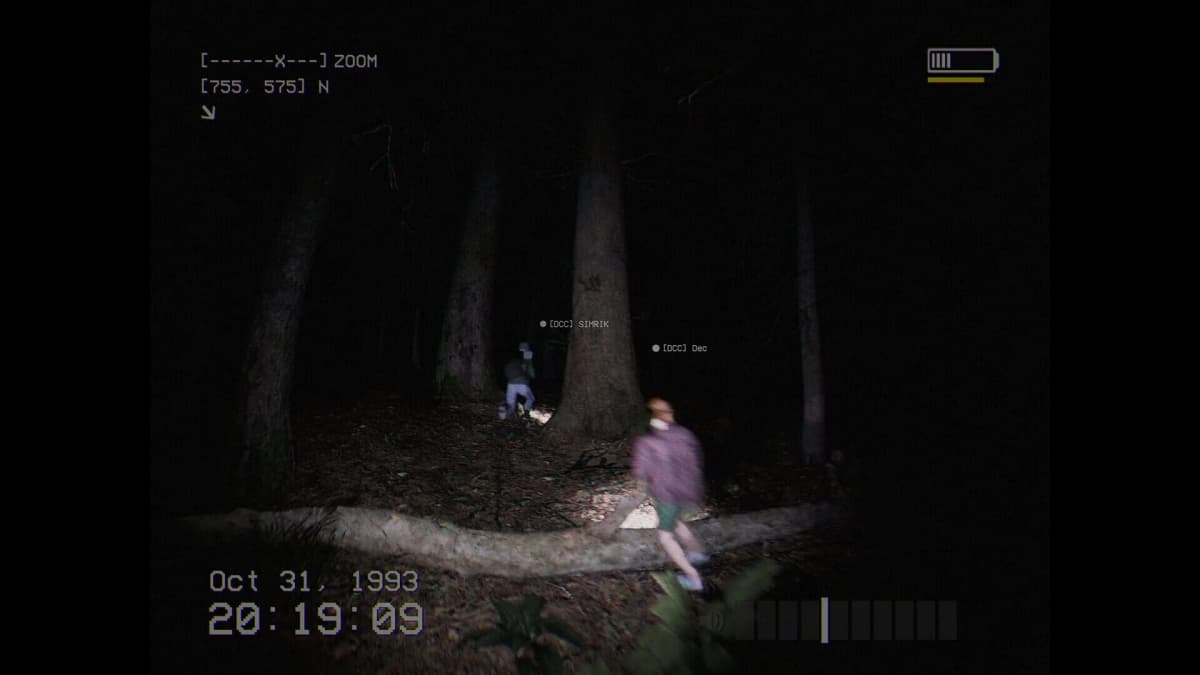
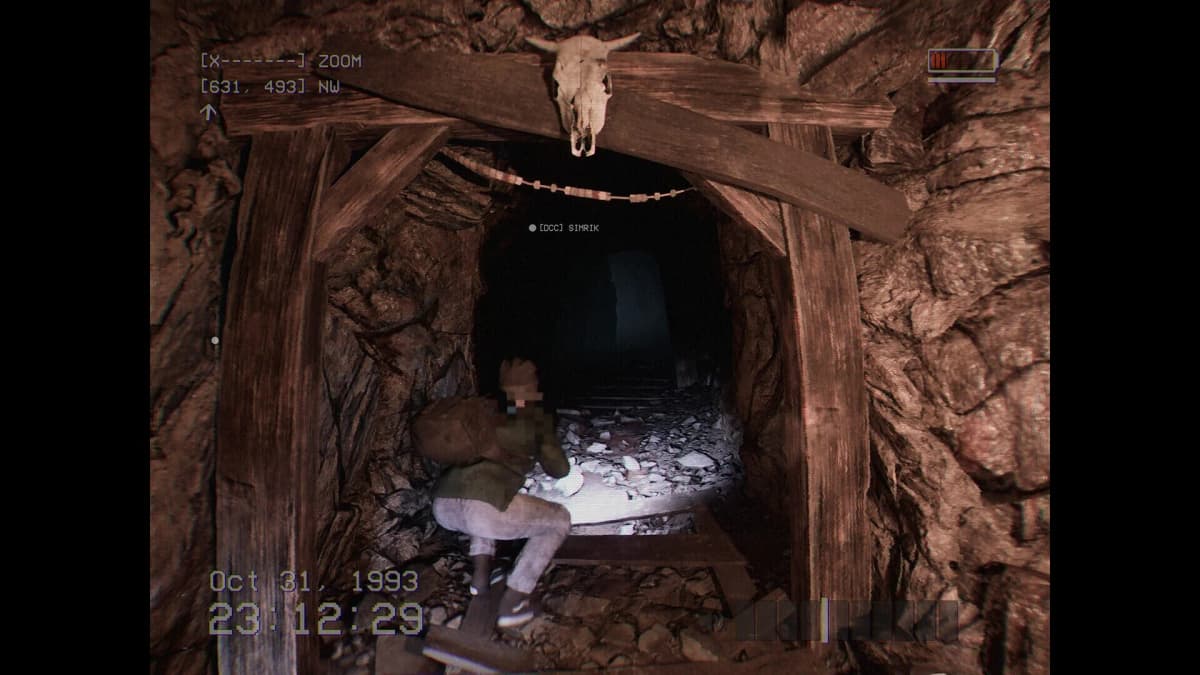
Don't Scream Together is an online co-op jumpscare horror simulator where you and friends walk through a pitch-black forest with camcorders in 1993. Use proxim…
Why this matters: a voice chat problem almost killed a multiplayer horror
This caught my attention because Don’t Scream Together’s core hook is literally built around players talking – and having that break at scale is the sort of failure that can sink an indie overnight. The little studio Digital Cybercherries shipped a co-op spin on their shout-sensitive horror concept and immediately discovered a truth most devs learn the hard way: your own five test rigs are not the real world.
- Despite a disastrous launch marred by distorted mic audio, the game sold 100,000 copies in days.
- Developer transparency and rapid hotfixes traced the issue to Windows 11 Audio Enhancements interacting with an older UE5 build.
- Steam reviews moved from ‘Mostly Negative’ toward ‘Mixed’ as fixes landed and players updated ratings.
- This is a reminder that multiplayer that depends on player systems needs far broader testing than single-player does.
Key takeaways
- Core mechanic = voice. When voice fails, the game does too.
- Root cause wasn’t “bad players” – it was Windows + engine mismatch.
- Fast, honest communication saved the studio from a worse outcome.
- Even with fixes, initial review damage can linger; community goodwill is fragile but repairable.
Breaking down what actually went wrong
Don’t Scream Together is built around found-footage paranoia: one loud noise-or “even a whimper”—can reset progress. That design relies on consistent, low-latency voice input across mismatched home PC setups. In development, five devs with known rigs is a reasonable start. It’s not an adequate substitute for thousands of players with USB headsets, virtual audio drivers, Steam Voice, Discord overlays, and whatever third-party nonsense someone thought would be “fun.”
The distortion spike turned out to be a compatibility mess: Windows 11’s Audio Enhancements introduced behavior the studio’s slightly older Unreal Engine 5 build didn’t automatically handle. The result was widespread audio instability and calibration failures. In plain terms: the game heard noise where there shouldn’t be noise, and the mechanic misfired.
Why the response mattered
What saved Digital Cybercherries was how quickly they admitted the problem and talked to players. Their marketer-turned-dev Joe Henson didn’t hide behind PR spin. He posted a blunt postmortem, pushed hotfixes within a day, and promised to walk through affected reviews personally once fixes were live. That’s not just good spin — it’s good risk management in the Steam era. Gamers can forgive bugs. They don’t forgive silence.
From a community angle, this is textbook damage control: identify the root cause, ship fixes fast, explain what happened, and then follow up. The studio did all of those. Some players even updated reviews after seeing the response — a reminder that rapid, transparent action can reverse initial outrage.
Want to Level Up Your Gaming?
Get access to exclusive strategies, hidden tips, and pro-level insights that we don't share publicly.
Ultimate Gaming Strategy Guide + Weekly Pro Tips
What this means for gamers (and other indie devs)
For players: if you care about a multiplayer title that depends on voice, expect early-launch teething problems. If the developer communicates, give the game time; if they don’t, refund and move on. For devs: widen test coverage. Use third-party testers with messy rigs. Test against recent OS updates and vendor audio stacks. The Windows 11/UE5 clash is a specific lesson but the bigger lesson is procedural—test bigger than your bubble.
There’s also a market lesson here: despite the initial PR burn, Don’t Scream Together sold 100,000 copies in days (about 60,000 on day one). That’s impressive for a tiny studio and shows the appetite for co-op horror is still huge. But the launch would have been a lot less survivable if the team had been quieter or slower.
Price, promotions and the human touch
Digital Cybercherries leaned into the human angle: Joe shared candid screenshots (and even a photo of his dog and laundry) while pushing a fix. The game is on a 38% discount on Steam through Wednesday, December 10, bringing the price to about $4.95 / £4.14 — a low-risk buy if you’re curious about co-op terror and follow-up patches land as promised.
TL;DR
Don’t Scream Together had a launch-day meltdown because the voice mechanic clashed with Windows 11 audio behavior on an older UE5 build. The fix was technical, but the recovery was social: quick hotfixes, public accountability, and direct community work turned a likely train-wreck into a salvageable launch that still managed 100K sales and better Steam scores. The takeaway for gamers and indies is simple: multiplayer that trusts player hardware needs wider testing—and honesty still pays off.