

Don’t Starve: The Board Game’s Kickstarter Went Nuclear — Here’s What Actually Matters
Game intel
Don't Starve: The Board Game
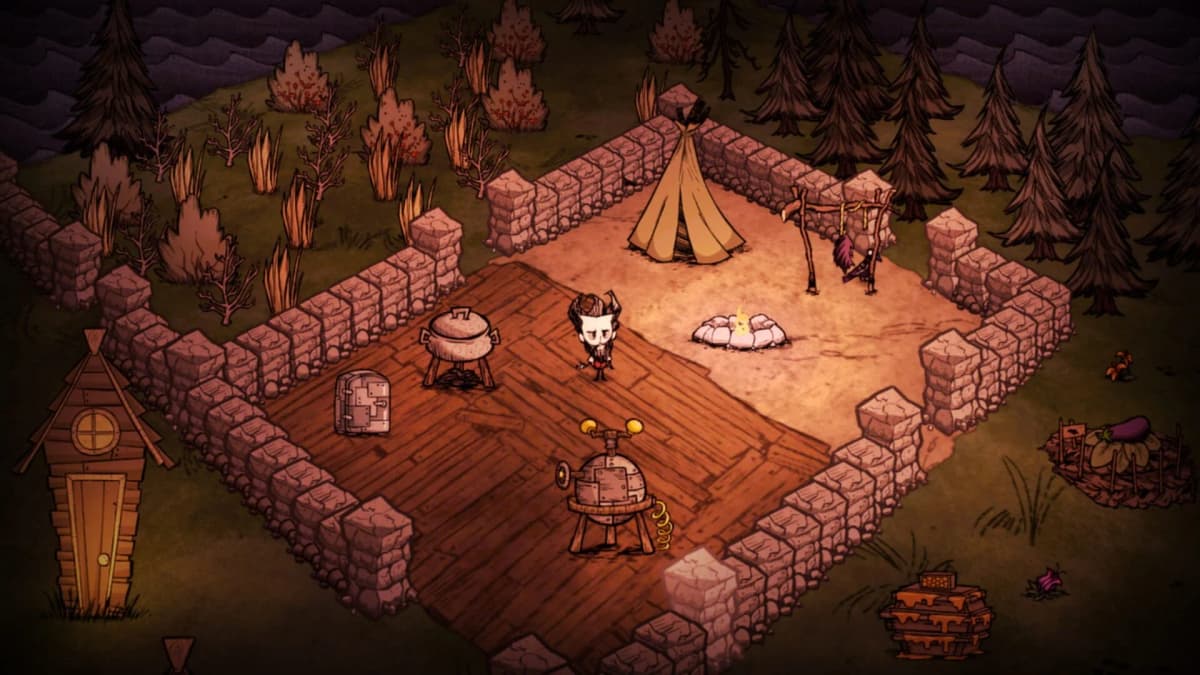
Don’t Starve is an uncompromising wilderness survival game full of science and magic. You play as Wilson, an intrepid Gentleman Scientist who has been trapped…
This Kickstarter blew past $50k to millions-so what’s the real story?
I’ve watched a lot of video games jump to the tabletop, and few IPs feel more naturally suited than Don’t Starve. The hunger-sanity-night loop is practically begging to be a co-op panic-fest around a table. So when Glass Cannon Unplugged’s Kickstarter for Don’t Starve: The Board Game rocketed from a modest $50,000 ask to roughly $3.6 million with days still on the clock, it grabbed my attention for the right reasons-and a few cautious ones. The campaign promises a March 2027 release, collaboration with Klei Entertainment, and a deluge of stretch goals. Let’s cut through the hype.
Key Takeaways
- It’s a monster funding run: ~$3.6M raised from a $50k goal, with a final push toward a $4M stretch for a Wurt content pack.
- Ship date is March 2027-ambitious for a component-heavy co-op. Stretch goal bloat could slow development.
- Glass Cannon Unplugged is collaborating with Klei, a good sign for tone, art direction, and mechanical authenticity.
- At $4.1M, backers unlock a digital Wurt skin for Don’t Starve Together—neat, but clearly a FOMO carrot.
Breaking down what’s actually in the box (so far)
The campaign has been unlocking co-op content at a rapid clip. Wormhole tokens—physical board pieces that introduce unpredictability and fast traversal—are a clever nod to the video game’s risk-reward map hopping. Starting cards are in, presumably giving asymmetrical nudges at setup so every run feels a little different. And the headline stretch near $4M is Wurt, a fan-favorite Merm from the Don’t Starve universe: expect a miniature, character board with dials, ability cards, and the usual bundle of bits that modern Kickstarter projects lean on.
If the campaign hits $4.1M, backers get a Don’t Starve Together cosmetic: a digital Wurt skin. Cool cross-promo, but let’s be honest—it’s also a low-cost way to keep the hype meter rising. The team even joked they’re starting to wonder whether “anything is impossible” for this community. Confidence is earned, but at this scale, expectations soar just as fast as the budget.
Why this matters now: the video game-to-board game boom
We’re living through a wave of video game adaptations hitting tabletops: Frostpunk, The Witcher: Old World, Dark Souls, Bloodborne, Monster Hunter World—the list is long and lucrative. Glass Cannon Unplugged themselves shipped Frostpunk: The Board Game, which translated a brutal survival sim into a tough, cooperative experience with meaningful decisions and high production values. That track record matters. It means they understand how to convert systems-heavy digital design into clear analog gameplay without flattening the experience.
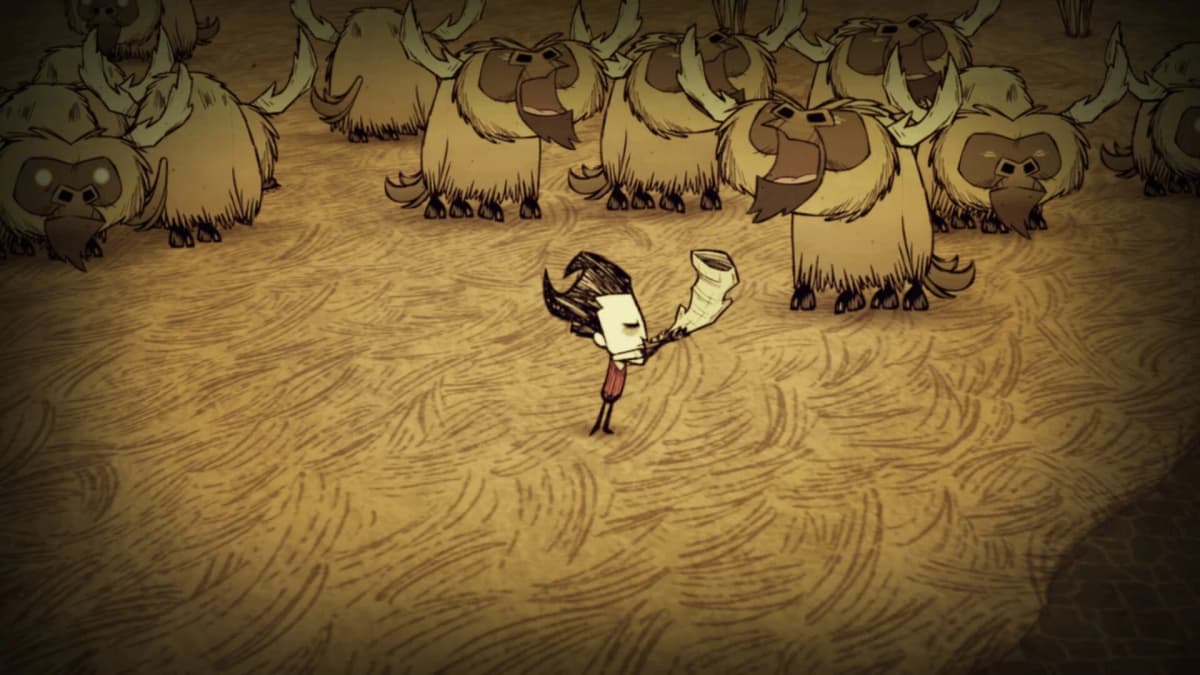
Don’t Starve, though, is a different beast than city management. The tension comes from starvation timers, sanity slipping toward hallucinations, and the existential dread of night—yes, Charlie’s out there if you linger in the dark. On a tabletop, that means tight resource clocks, push-your-luck exploration, frequent “we need torches now” emergencies, and short-term tradeoffs that affect long-term survival. If GCU can make the loop snappy enough—think 60-90 minute sessions with brutal clarity—it could capture the series’ “one more run” compulsion.
Want to Level Up Your Gaming?
Get access to exclusive strategies, hidden tips, and pro-level insights that we don't share publicly.
Ultimate Gaming Strategy Guide + Weekly Pro Tips
Hype vs. substance: where I’m excited (and where I’m skeptical)
Excited because the Klei collaboration suggests the vibe and systems won’t get lost in translation. The wormhole tokens hint at a design that embraces chaos in a controlled, fun way. Starting cards can help replayability and give different characters—Wilson, Willow, WX-78, and company—distinct arcs per run. And Wurt as a stretch focus shows they’re thinking beyond just the core cast, which matters for longevity.
Skeptical because $3.6M+ campaigns tend to balloon in scope. Every extra miniature, module, and add-on creates more art, balancing, manufacturing, and logistics work. A March 2027 target is reasonable on paper, but we’ve all seen timelines slip when stretch goals stack high. Also, remember the unsexy realities: shipping and VAT have been a minefield the past few years. A $100 pledge can quietly become $160-$200 by the time it arrives at your door. That digital Wurt skin? Fun perk, but it doesn’t make the box better.
There’s also the table footprint and rules overhead to consider. Don’t Starve thrives on improvisation, but if the board game buries decisions under icon soup and upkeep phases, the panic turns into paperwork. Frostpunk handled this with strong UX and clear phases; I want to see the same here: clean dashboards, readable dials for hunger/sanity/health, and an intuitive day-night cycle that forces hard choices without stalling the pace.
What players should watch for before backing
- Rulebook previews and playthroughs: Does the core loop feel fast, lethal, and legible, or fiddly and slow?
- Scenario structure: Is it roguelike runs, a campaign, or modular scenarios? Don’t Starve sings when failure teaches you something new.
- Component priorities: Are upgrades going to gameplay (varied cards, events, monsters) or just more plastic?
- Fulfillment clarity: Honest shipping/VAT estimates, realistic timelines, and a plan for post-campaign support and retail.
The upside here is real. If GCU nails the mix, Don’t Starve: The Board Game could slide right next to Frostpunk on the shelf as a punishing, replayable co-op classic. But don’t let the funding number alone make the decision for you. Hype can buy minis; it can’t buy good pacing.
TL;DR
Don’t Starve’s board game Kickstarter is huge—nearing $4M from a $50k ask—with smart-sounding stretch goals and Klei involved. I’m cautiously optimistic, but 2027 is a long road: watch for clean rules, sharp pacing, and realistic fulfillment plans before you jump in. The best version of this is a tense, 90-minute survival gauntlet you’ll want to replay until winter finally eats you.