
When CTW Inc. announced Doraemon Comic Traveler, my inner kid jumped for joy. Bringing our favorite blue robotic cat into a full-scale online RPG on the G123 browser platform feels like a dream come true. But decades of half-finished anime tie-ins have taught us one lesson: nostalgia alone won’t guarantee a deep, rewarding experience. So the burning question is, will Comic Traveler redefine what a browser RPG can be, or will it fade into the digital rubble of flashy but shallow tie-ins?
Table of Contents (7)
Breaking Down the Announcement
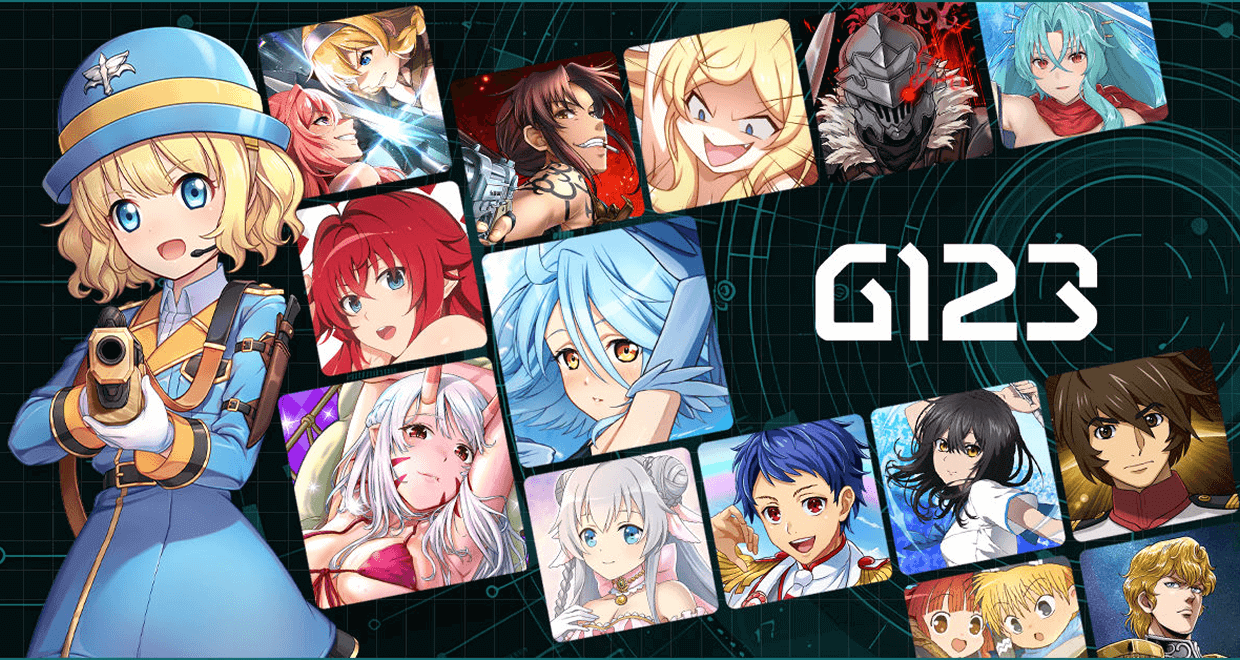
CTW Inc. is no stranger to adapting beloved anime franchises for casual browsers—its G123 platform hosts titles ranging from So I’m a Spider, So What? to Queen’s Blade Limit Break. Last month’s teaser PV for Comic Traveler didn’t hold back: we saw Nobita fumbling with futuristic gadgets, Shizuka swooping in to save the day, and Gian charging headlong into chaos. Promises of “dynamic battles,” “immersive content,” and “strategic gameplay” fill the voice-over, but any G123 veteran knows that early marketing buzz can evaporate once auto-battle and gacha hooks take center stage.
What caught my eye were the glimpses of a sprawling world called COMIC PLANET, where panels of manga come to life and familiar faces mingle with original creatures. CTW’s pitch centers on blending Doraemon’s classic “Long Tales” adventures with fresh, game-exclusive story beats—an ambitious mix, if they can pull it off.
Gameplay Expectations: Strategy vs. Auto-Play
On paper, Comic Traveler’s biggest selling point is its setting. COMIC PLANET is described as a vibrant, manga-saturated realm inhabited by COMIC ALIENS: shape-shifting critters capable of mimicking characters from Doraemon spin-offs and other manga legends. If harnessed properly, these transformations could add a strategic layer to party composition. Imagine switching a COMIC ALIEN into a sturdier version of Gian for tanking, then swapping to Shizuka’s healing form when your team’s health dips.
Yet the real test will be player control. Will the combat system reward skillful timing—pressing buttons to unleash Doraemon’s gadgets or Nobita’s quick-time dodges—or will auto-battle remain the go-to for most encounters? CTW teases boss fights with “unique mechanics,” but details remain unconfirmed. A well-designed boss could require coordinated skill chains, environmental hazards, or shifting panel layouts that mirror manga pages unfolding in real time. If they nail that, Comic Traveler might break the mold. If not, we’re likely looking at another rinse-and-repeat cycle of “set it and forget it” battles.
Monetization & Microtransaction Model
Pre-registration kicked off on April 22, 2025, and CTW is dangling familiar carrots: gems, keys, stamina refills, and rare summon tickets that promise faster team builds. At 500,000 sign-ups, early adopters unlock a rare COMIC ALIEN summon ticket; higher thresholds grant additional premium currency and expansion slots.

This carrot-and-stick approach fuels urgency—but it also foreshadows a heavy reliance on microtransactions. In many G123 titles, gems translate directly to gacha pulls, while keys unlock story chapters or speedy progression. A fair economy would let players enjoy the narrative and strategic elements without chasing pay-to-win tiers. On the flip side, an aggressive store with limited-time banners and steep summon rates could nickle-and-dime users into abandoning the game after the initial hype.
My hope is that CTW strikes a balance: meaningful rewards for participation (daily login bonuses that don’t feel insultingly small), periodic free summons during events, and optional premium passes that enhance—but don’t gate—core content. Only time will tell if Comic Traveler’s shop leans toward reasonable convenience or predatory temptation.
Cultural Context & Platform Appeal
Doraemon is a cultural titan across Asia—his midnight gadget raids and heartwarming friendship with Nobita have spanned generations. For CTW, that cross-generational love is a golden ticket. The G123 platform’s low barrier to entry—no downloads, instant browser access, and cross-device syncing on PC, tablet, or smartphone—makes it a natural home for casual fans seeking bite-sized adventures between commutes or coffee breaks.
But browser RPGs often lack the polish and depth of console or mobile-native counterparts. Limited graphical fidelity, simplified controls, and server constraints can hamper ambitious design. Past CTW successes, like Generation of Chaos, demonstrate their ability to create competent time-killers—but not necessarily RPGs players sink hundreds of hours into.
Community & Social Features
CTW has hinted at friend lists, guild systems, and co-op raids against colossal COMIC ALIENS. If implemented well, these features could enhance retention and create a social backbone for the title. Imagine teaming up with five friends to tackle a world boss that shifts forms and panels mid-battle, requiring coordinated skill timing and scan-panel swapping to exploit elemental weaknesses.
On the other hand, shallow social layers—limited chat options, sparse guild perks, and pay-to-win guild rankings—could undermine community growth. CTW’s previous titles offered chat stickers and basic friend gifts, but stopped short of meaningful collaboration. Comic Traveler needs robust guild events, in-game tournaments, and cross-guild rivalries to keep the social heartbeat alive.
Comparisons to Other Anime RPGs
Over the years, tie-in RPGs like Naruto x Boruto: Ultimate Ninja Storm and One Piece: Treasure Cruise have shown that deep progression systems—skill trees, character bonds, event-driven story chapters—can sustain fan interest. Those games survived by layering complexity under deceptively simple interfaces. If Comic Traveler follows suit—offering multi-branch skill upgrades for each character, dynamic story chapters that update with new manga arcs, and collectible lore that unlocks museum-style art galleries—it could cultivate a devoted player base.
But be wary of titles like Bleach Online or Fairy Tail: Forces Unite, where gacha-fueled power creep and repetitive fetch quests pushed players away after a month. The difference lies in thoughtful pacing, transparent drop rates, and meaningful mid-game goals that extend beyond raw numbers.
Final Thoughts: Watch, Don’t Jump
Doraemon Comic Traveler has all the right ingredients on paper: a beloved IP, a fresh manga world, and hints of strategic battles. But browser-based anime RPGs live or die on execution. If CTW can weave narrative charm with genuine progression—deep skill trees, engaging boss encounters, and fair monetization—Comic Traveler could become the browser RPG that Doraemon fans deserve. If it defaults to auto-combat, endless gacha loops, and superficial social features, it will join the graveyard of forgettable tie-ins.
For now, bookmark Comic Traveler, join the G123 community forums, and follow development updates closely. Hold your full hype until we get a playable demo or an in-depth gameplay reveal—preferably one that shows us more than flashy cinematics. With luck, CTW will surprise us, delivering an adventure as memorable as the original Doraemon manga. Until then, stay hopeful, stay cautious, and keep an eye on the next panel.
FinalBoss // Gear
Level up your setup
01Top-rated gaming headsetson Amazon→02High-refresh gaming monitorson Amazon→03Gaming chairson Amazon→04Discounted game keyson Kinguin→Affiliate links · As an Amazon Associate, FinalBoss earns from qualifying purchases.
Want to Level Up Your Gaming?
Get access to exclusive strategies, hidden tips, and pro-level insights that we don't share publicly.
Ultimate Gaming Strategy Guide + Weekly Pro Tips