
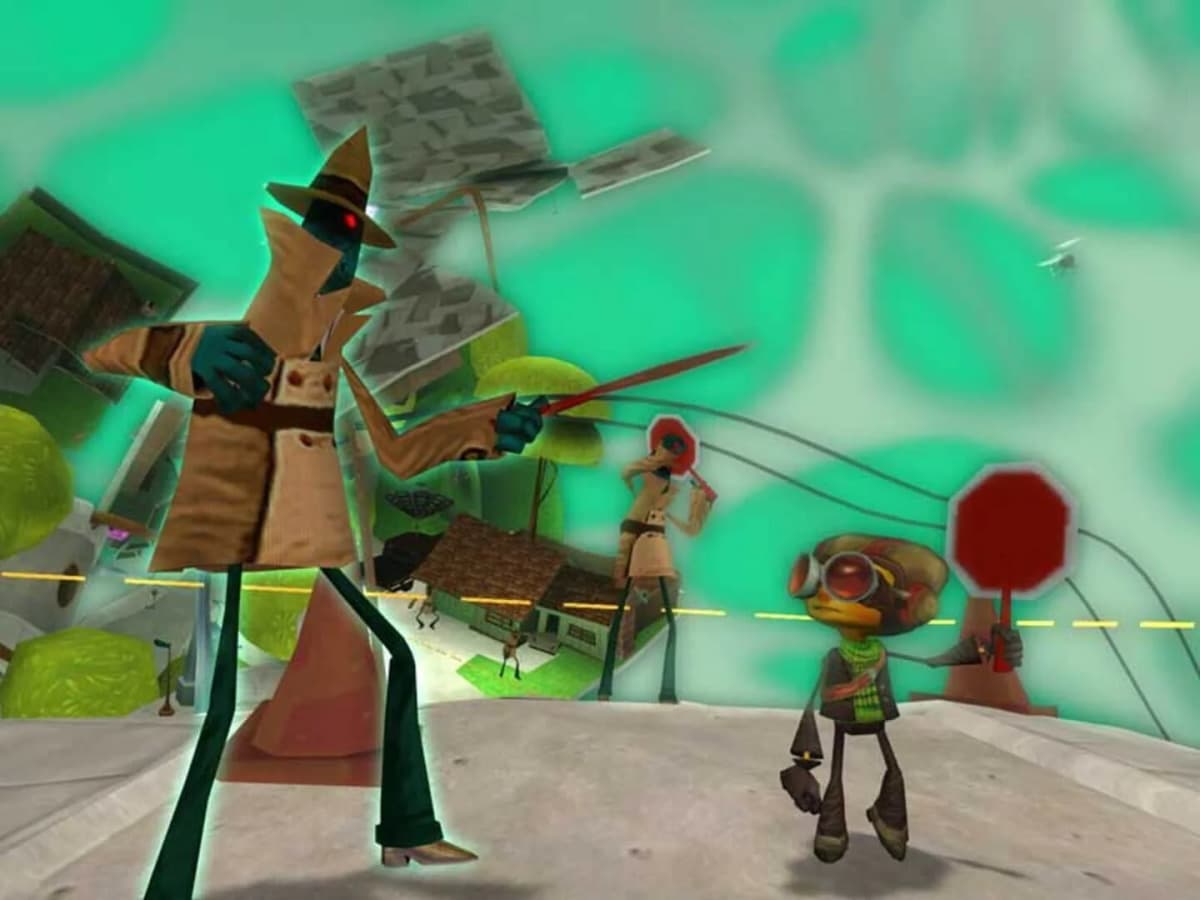
Twenty-three jobs are gone at Double Fine Productions, barely weeks after the studio returned to independence from Xbox. The immediate consequence is simple: the developer behind Psychonauts now has to build its future with materially less capacity than it had under Microsoft. “Independence” sounds clean in a headline. In practice, it means payroll, production risk, and runway are back on the studio’s own balance sheet.
Tim Schafer described the layoffs as painful but necessary for “the survival of our studio,” saying Double Fine must become a size it can sustain. That wording matters. This was not framed as a single project failing or a creative reset. It was a cost correction immediately following a corporate separation.
Table of Contents (4)
A smaller Double Fine will have fewer expensive creative detours
Reports placed Double Fine at roughly 90 employees before the cuts. Removing 23 people means losing about 25.6% of the studio. For a team that size, that is not a trim around the edges. It changes how many prototypes can run at once, how much art support a project can absorb, and how long a game can stay in iteration before somebody has to make a hard call.
That is especially relevant to Double Fine’s identity. The studio has long benefited from unusual concepts, character-heavy worlds, and the kind of creative experimentation that does not always fit neatly into a spreadsheet. Those qualities are still possible as an independent developer. They are simply more expensive when there is less room for parallel teams, discarded concepts, extended QA, or late-stage content additions.
Psychonauts is still viable, but the Xbox-era scale is harder to repeat
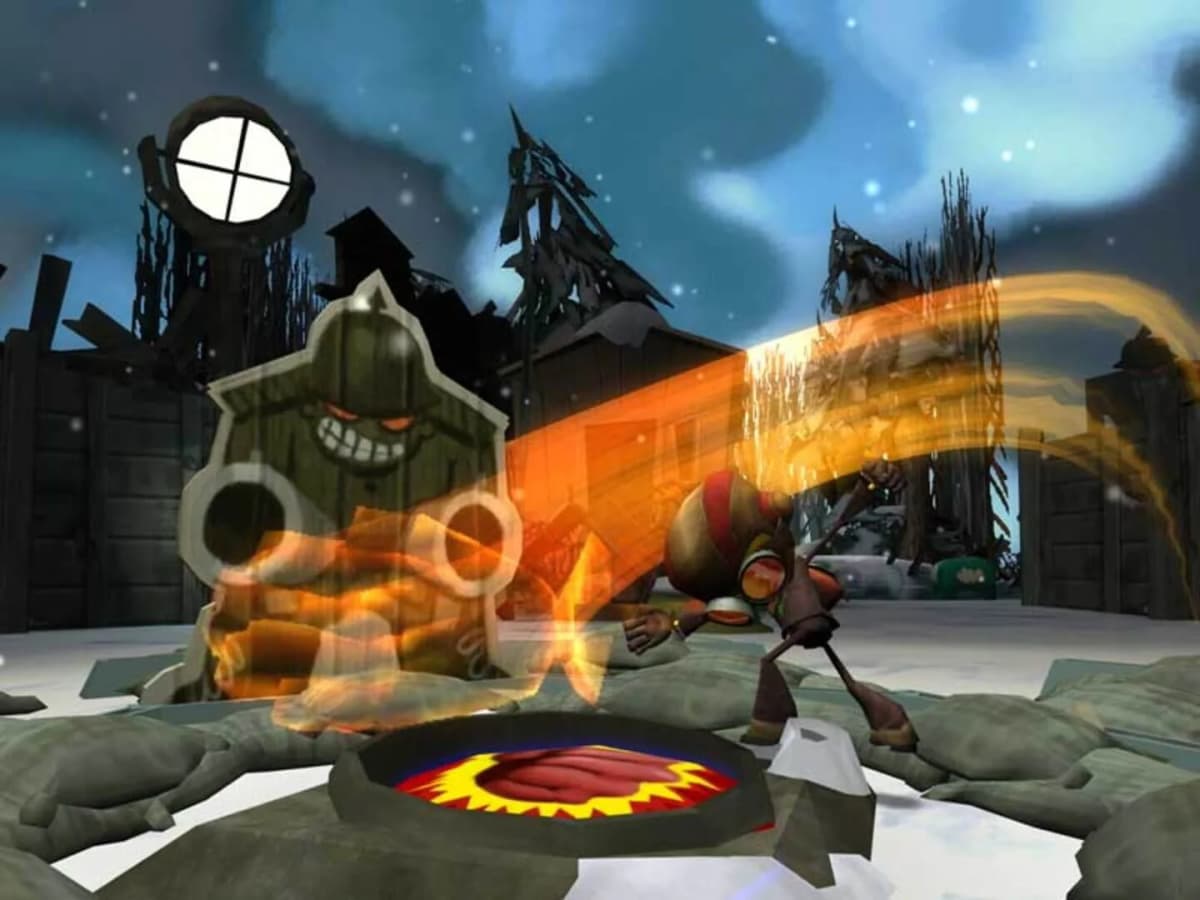
Double Fine retained its intellectual property, catalogue, and runway for future projects as part of its departure from Xbox. That keeps Psychonauts in the studio’s hands, which is the good news. A future entry remains entirely plausible.
The less comfortable part is financial. Psychonauts 2 launched in 2021 with the backing and safety net of Xbox ownership. A new large-scale narrative platformer now likely requires external publishing, co-financing, or a deliberately narrower production plan. Fewer levels, fewer bespoke set pieces, and less appetite for expensive side systems are the usual consequences when a studio shifts from corporate-parent economics to self-sustaining economics.
Players should not read that as a prediction of a stripped-down sequel. They should read it as a warning against assuming the next Double Fine game can be built like the last one. Creative ambition survives layoffs far more often than production slack does.
The real test is funding clarity, not the word “independent”
Microsoft’s broader Xbox restructuring created the conditions for Double Fine’s split, but the studio’s next decisions will determine whether this becomes a stable reset or the first stage of a longer contraction. The survival language is honest, and honesty is preferable to the usual corporate fog. It also confirms that the company is managing immediate financial pressure, not merely celebrating a return to autonomy.
The key evidence will be public and concrete: a new project with a defined scope, a platform plan, clear publishing or financing support, and a release window that holds. A long silence would not prove disaster, but it would suggest Double Fine is still rebuilding its production model rather than moving confidently into full development.
What to watch next
- Whether Double Fine reveals its next project with a realistic scale for an independent studio.
- Whether an external publisher or financing partner is attached to that project.
- Whether the remaining team retains enough senior production leadership to avoid a lengthy reset.
- Whether any future Psychonauts announcement arrives with a clear budgetary and platform strategy.
The practical takeaway is blunt: treat a future Psychonauts game as possible, not imminent, and judge Double Fine’s recovery by the shape of its next project rather than the optimism attached to its independence. The studio kept its catalogue. Now it has to prove it can fund the next chapter without the parent company it just escaped.
FinalBoss // Gear
Level up your setup
01Best-selling Xbox Series X|S gameson Amazon→02Xbox controllerson Amazon→03Top-rated gaming headsetson Amazon→04Discounted game keyson Kinguin→Affiliate links · As an Amazon Associate, FinalBoss earns from qualifying purchases.
Want to Level Up Your Gaming?
Get access to exclusive strategies, hidden tips, and pro-level insights that we don't share publicly.
Ultimate Gaming Strategy Guide + Weekly Pro Tips