
EA’s Surprising Block on a Dragon Age Remaster—and Why Fans Won’t Back Down
Game intel
Dragon Age: Origins
Dragon Age: Origins is a third-person role-playing game described as a spiritual successor to Baldur's Gate and Neverwinter Nights franchises. Players create t…
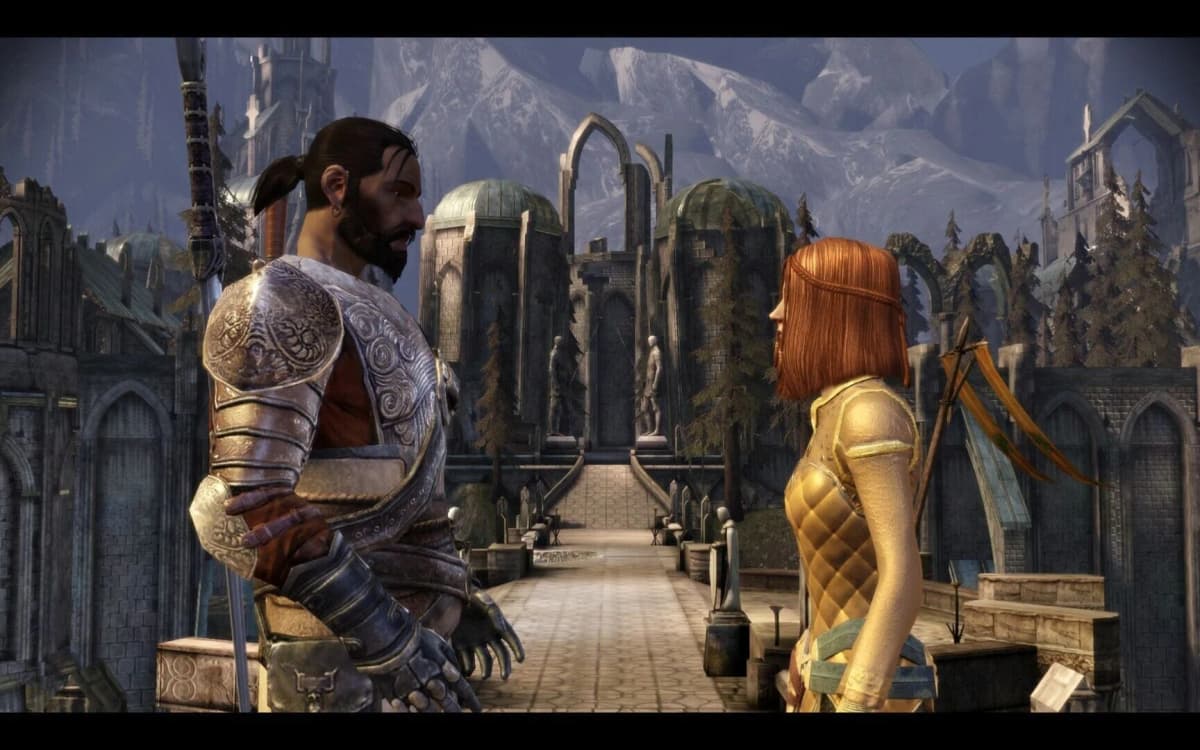
When Baldur’s Gate 3 reignited our passion for classic fantasy RPGs, it also spotlighted a painful void: BioWare’s original Dragon Age trilogy remains trapped in the past. Dragon Age: Origins first plunged players into moral dilemmas, party-based tactics, and a living, breathing world in Thedas. So when former BioWare executive producer Mark Darrah revealed that Electronic Arts balked at financing an official remaster, nostalgia hit a sudden dead end.
EA’s Unlikely Aversion to “Free Money”
In a candid interview with gaming host MrMattyPlays, Darrah didn’t mince words: “EA’s historically been… against remasters. It’s strange for a publicly traded company to basically be against free money, but they seem to be against it.” This stance stings when you recall how well Mass Effect Legendary Edition sold in 2021, delivering critical acclaim and robust sales figures. Fans expected EA to ride that wave into Thedas, yet every pitch from BioWare was quietly shut down.
Three Engines, Three Headaches
Technical fragmentation lies at the heart of EA’s hesitation. The first three Dragon Age titles run on entirely different codebases: a bespoke engine for Origins, a custom framework for Dragon Age II, and EA’s in-house Frostbite engine for Inquisition. As Darrah explains, “If you pay an external studio to remake Origins, you don’t get DA2 for free.” Each game’s textures, lighting, animations, and combat scripts demand their own pipelines—merging them under a single remaster roof would mean rebuilding vast swaths from scratch.
The Financial Tightrope: Risk vs. Reward
Behind the boardroom doors, EA crunches every dollar. Funding a Dragon Age remaster competes with budgets for live-service titles, downloadable content, and new intellectual properties. While the success of the Mass Effect Legendary Edition underscores remasters’ profitability, EA’s larger strategy leans toward ongoing revenue streams—season passes, microtransactions, and blockbuster sequels—over reviving legacy RPGs.
Darrah recalls the blunt corporate directive: “Sure, go ahead and do it, but with the money you already have.” No fresh investment, no green light—just a polite pass that left BioWare’s team without the resources to proceed.
Why Remasters Matter for New Players
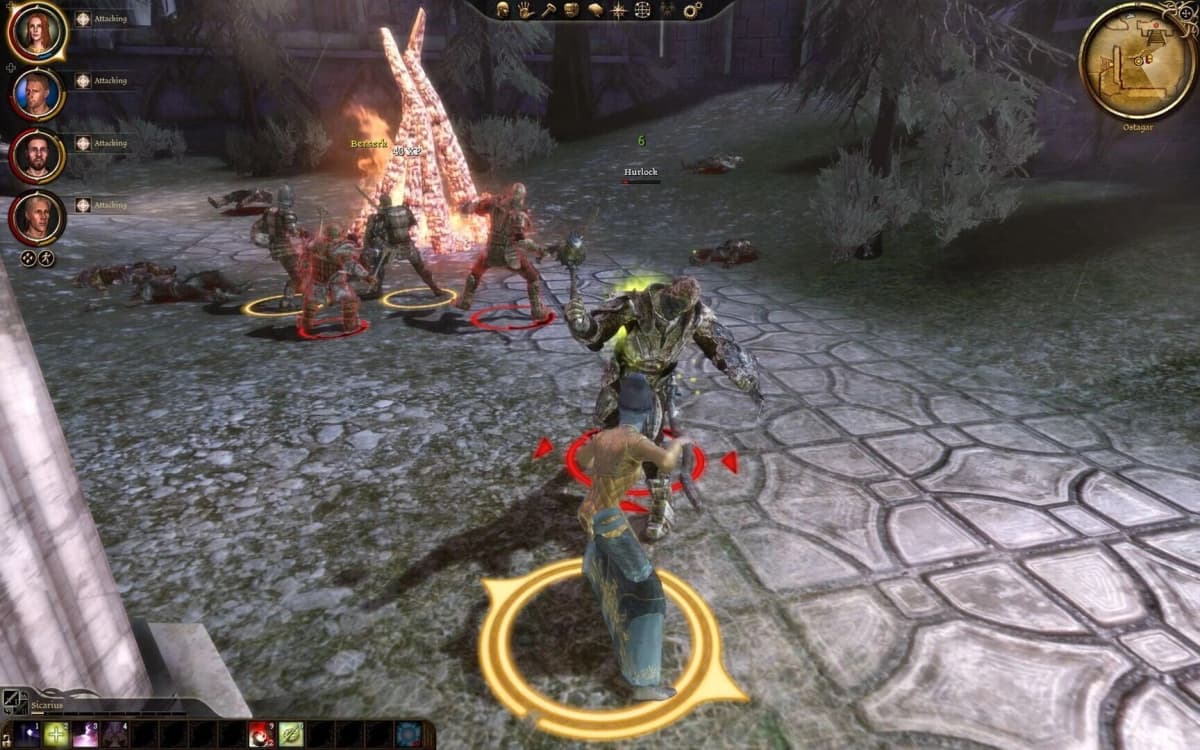
For longtime fans, replaying Origins or Inquisition is a trip down memory lane. But newcomers face technical hurdles—compatibility patches, outdated user interfaces, and unforeseen bugs. A modern remaster would not only update graphics and controls, but also introduce quality-of-life features: rebuilt quest logs, streamlined menus, and native support for widescreen resolutions. Those enhancements could turn confused first-timers into passionate Thedas pilgrims before they even crack open Dragon Age 4.
Want to Level Up Your Gaming?
Get access to exclusive strategies, hidden tips, and pro-level insights that we don't share publicly.
Ultimate Gaming Strategy Guide + Weekly Pro Tips
Community Mods: The Grassroots Solution
In the absence of an official remaster, dedicated modders have become Thedas’ guardians. Fans have released high-resolution texture packs, user interface overhauls, and comprehensive bug-fix compilations on NexusMods. Some community teams even add ambient soundscapes or polish quest scripts to breathe fresh life into Ferelden and its neighboring realms.
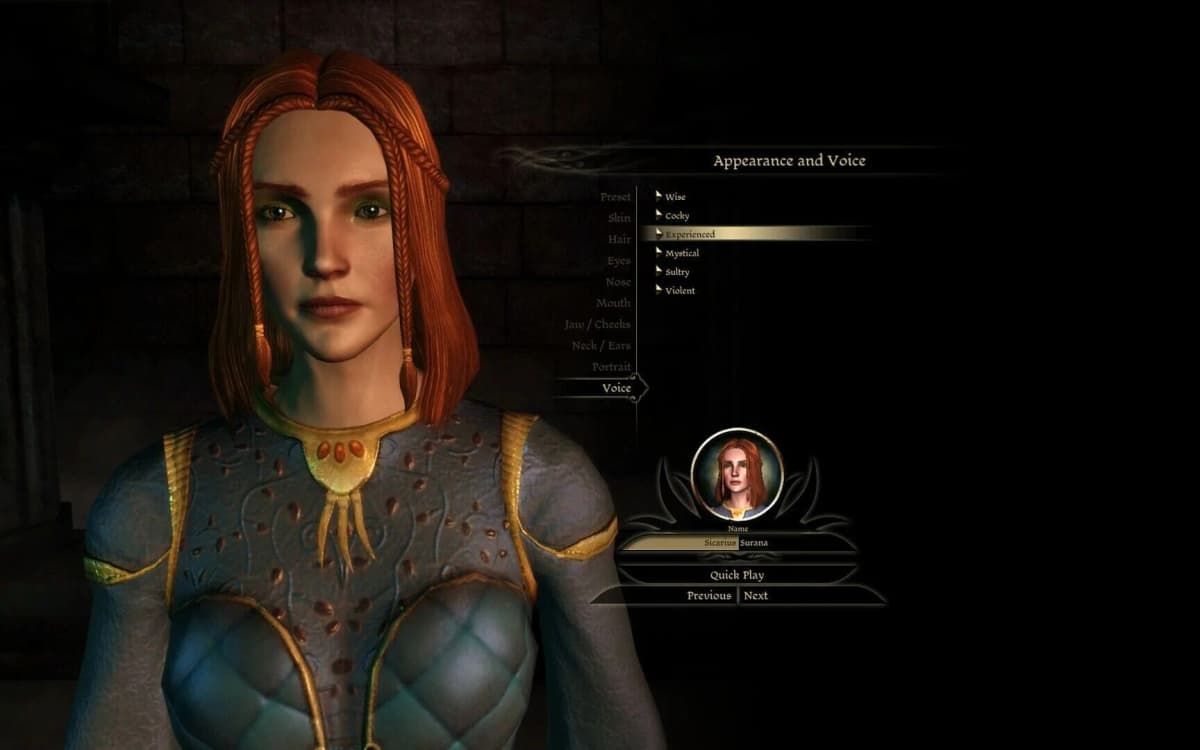
Yet these grassroots efforts come with caveats. Version conflicts, installation headaches, and uneven polish can derail the experience. While mods demonstrate the series’ undying appeal, they can never fully replace a professionally supported, cohesive remastered release.
Implications for Dragon Age 4
Darrah contends an updated Origins would be “the correct first move” to rekindle widespread interest in Thedas ahead of Dragon Age 4. Without a remaster, new players may dive into the next chapter lacking crucial context—character relationships forged in Origins, moral choices that echo through Inquisition, and the political intricacies of Ferelden and Orlais.
Rumors swirl about BioWare’s roadmap. Some reports hint at early planning stages for Dragon Age 4, while others suggest resources remain tied up in live-service support for Inquisition. Regardless, the absence of an official remaster leaves a narrative gap that the franchise risks never filling.
Looking Ahead: Hope and Hurdles
EA’s risk-averse stance and Dragon Age’s technical complexity mean an official Legendary Edition of Thedas isn’t around the corner. Yet fans refuse to give up. Petitions with tens of thousands of signatures, community fundraisers for workshops, and thousands of active mod downloads all signal unwavering demand.
For now, our best option is backward compatibility, community patches, and collective enthusiasm. But with every speculative leak and industry whisper, hope lingers that EA and BioWare will one day give Dragon Age the comprehensive, modernized spotlight it—and its devoted fanbase—so clearly deserve.