
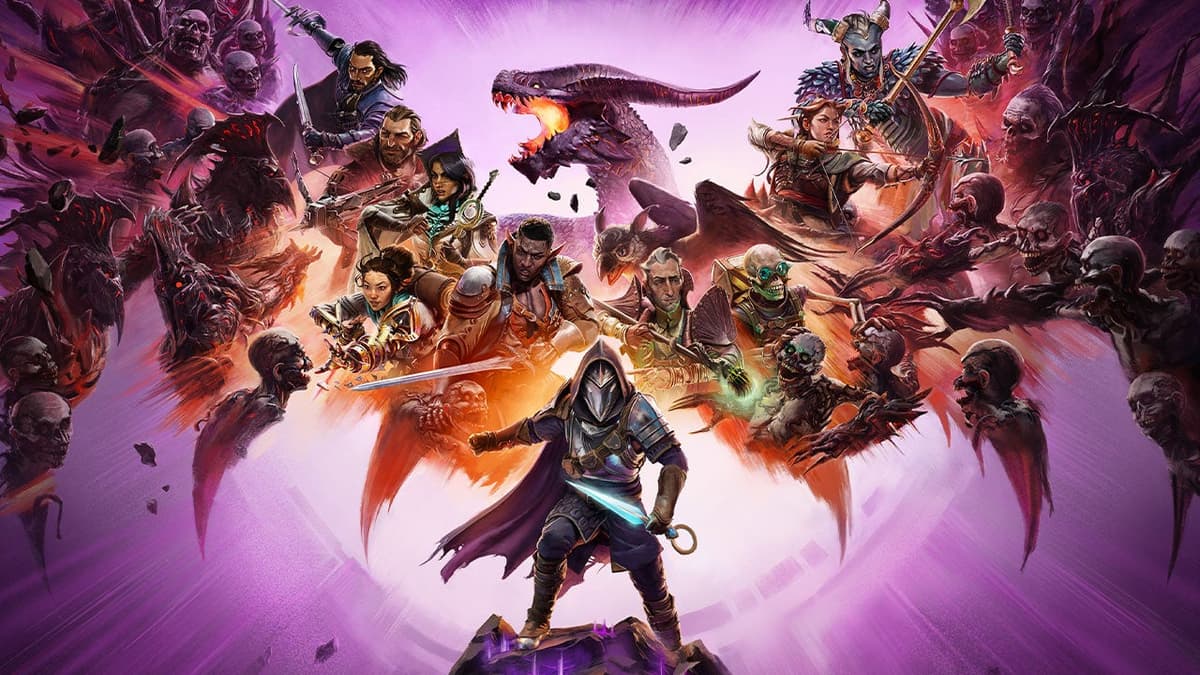
Dragon Age: The Veilguard’s Rocky Development & Future
Game intel
Dragon Age: The Veilguard
Select from different races and combat classes, customize your appearance, choose your character’s backstory and begin your journey as Rook, Dragon Age’s newes…
Dragon Age: The Veilguard’s Rocky Development & Future
You’d expect a studio with BioWare’s pedigree to navigate RPG development like a masterful skald weaving epic verses. Instead, Jason Schreier’s recent Bloomberg exposé peels back the curtain on a development saga that reads more like a cautionary tale—one where executive meddling, shifting mandates, and last-minute rescues nearly sank Dragon Age: The Veilguard before it saw daylight. As a fan who cut their teeth on Origins, this behind-the-scenes chronicle is both fascinating and terrifying: the fate of a beloved franchise—and possibly BioWare itself—hangs in the balance.
Live Service to RPG Pivot
Early in 2019, EA gave BioWare the green light to chase the holy grail of recurring revenue: a live-service Dragon Age. “Make it a forever game,” executives insisted, according to Bloomberg’s sources. The project, internally code-named ‘Dreadwolf Live,’ began as an ambitious online RPG built on the Frostbite engine, with sprawling zones designed for co-op quests and seasonal content. But by mid-2021, after Anthem’s spectacular flameout, EA and BioWare brass grew skittish about another multiplayer gamble. Schreier writes, “Leadership quietly ordered a shift back to a traditional single-player RPG”—a pivot that forced teams to splice solo narrative beats onto zones originally built for MMO loops.
The result was a fragmented blueprint: designers scrambled to inject branching dialogue, roleplaying stakes, and character-driven missions into maps that felt hollow without constant log-in incentives. According to Bloomberg, “the scramble led to half-baked quests and pacing that leaps from cinematic moments to empty fetch objectives.” Mike Laidlaw, BioWare’s then-creative director, reportedly told colleagues he was “pitching dragons with daily login rewards” and ultimately left the studio in protest.
Mass Effect Team Intervention
By late 2022, delays were piling up and EA’s patience was wearing thin. With investor calls looming and budgets ballooning past the rumored $150 million mark, a desperate EA sent in reinforcements: the Mass Effect development team, helmed by Casey Hudson’s veteran leads. Schreier details how these newcomers “forced a top-down overhaul of the final act,” rewriting key boss battles and sharpening combat loops with Mass Effect’s signature tight feel. One senior developer told Bloomberg, “They brought in ‘follow-the-orders’ discipline, which smoothed out deadlines but clashed with Dragon Age veterans who prized narrative improvisation.
This cultural collision produced clear benefits—more cohesive boss encounters, improved AI behavior, and streamlined progression systems—but also deepened tonal inconsistencies. The game swerves from weighty political intrigue one moment to breezy one-liners the next, a byproduct of merging two studios that view storytelling through very different lenses.
Successful Elements in The Veilguard
Despite its travails, The Veilguard isn’t without merit. Schreier notes that “conversational AI tools accelerated dialogue writing,” allowing BioWare to produce over 30 percent more conversation trees than in prior titles. Players who’ve dipped in praise the game’s vibrant companions, from the witty rogue Rowan to the stoic mage Myrthana, whose banter recalls Dragon Age II’s camaraderie without feeling derivative. The revamped tactical combat—featuring a dynamic pause function and weather-influenced magic—also earns consistent nods for adding strategic depth. Voice acting, especially from returning veterans like Steve Valentine (Ser Temerian), has drawn praise for infusing the world with gravitas.
Graphically, the richly detailed environments—moss-covered ruins in Tevinter, wind-swept spires of the Elven Warden’s Hold—showcase Frostbite’s matured rendering capabilities. The score, composed by returning veteran Inon Zur, interleaves mournful strings with triumphant brass to evoke classic Dragon Age emotion. These positive aspects underscore that talented creators remained committed to the project, even as mandates shifted around them.
Want to Level Up Your Gaming?
Get access to exclusive strategies, hidden tips, and pro-level insights that we don't share publicly.
Ultimate Gaming Strategy Guide + Weekly Pro Tips
BioWare’s Future at Stake
On launch in early 2024, The Veilguard garnered respectable critic scores—averaging around 82 on Metacritic—but sales figures reportedly missed EA’s targets by a wide margin. Bloomberg sources cite an “underwhelming opening week” far below the publisher’s break-even threshold. Industry parallels abound: Forspoken and Marvel’s Avengers similarly struggled to recoup massive budgets despite polished moments.
Internal emails obtained by Bloomberg reveal mounting concern at EA. One executive allegedly cautioned, “If Dragon Age can’t be a live-service cash cow and the single-player market is drying up, what’s next for BioWare?” The implication is stark: without a Mass Effect–level hit on deck, the studio faces restructuring or worse. Writes Schreier, “BioWare’s storied legacy is on trial—cannot simply be propped up by nostalgia or brand equity.”
What This Means for Players
For fans, the takeaway is bittersweet. The Veilguard demonstrates that BioWare’s core strengths—rich character arcs, branching narrative, atmospheric sound design—still shine through adversity. Yet the development tale is a warning: when corporate mandates overshadow creative vision, even the most storied franchises can stumble. Bloomberg quotes an anonymous developer: “We built something we’re proud of, but it never had a real chance to breathe.”
Looking ahead, BioWare will need to regroup. Industry rumblings suggest early concept work on the next Mass Effect entry is underway, with a reported leaner, more agile team freed from monetization constraints. If EA allows that vision to flourish, there’s hope for redemption. Until then, players must temper expectations, celebrate the highs of The Veilguard, and press publishers to let beloved studios play to their narrative strengths rather than chase the latest revenue fad.
Conclusion
Jason Schreier’s Bloomberg exposé lays bare a development rollercoaster: from live-service ambitions to a half-merged solo RPG, rescued by inter-franchise firefights and patched together for release. Dragon Age: The Veilguard offers glimpses of the magic we remember—compelling companions, tactical depth, evocative worlds—yet remains burdened by the ghosts of corporate strategy shifts. As BioWare navigates the fallout, one truth stands: the studio’s soul never truly vanished, but it needs space to reassert itself. For now, The Veilguard is both a testament to creative resilience and a plea for authentic, unshackled storytelling in AAA RPGs.