
Ports or Progress? Dragon Ball & Persona 3 on Switch 2
Game intel
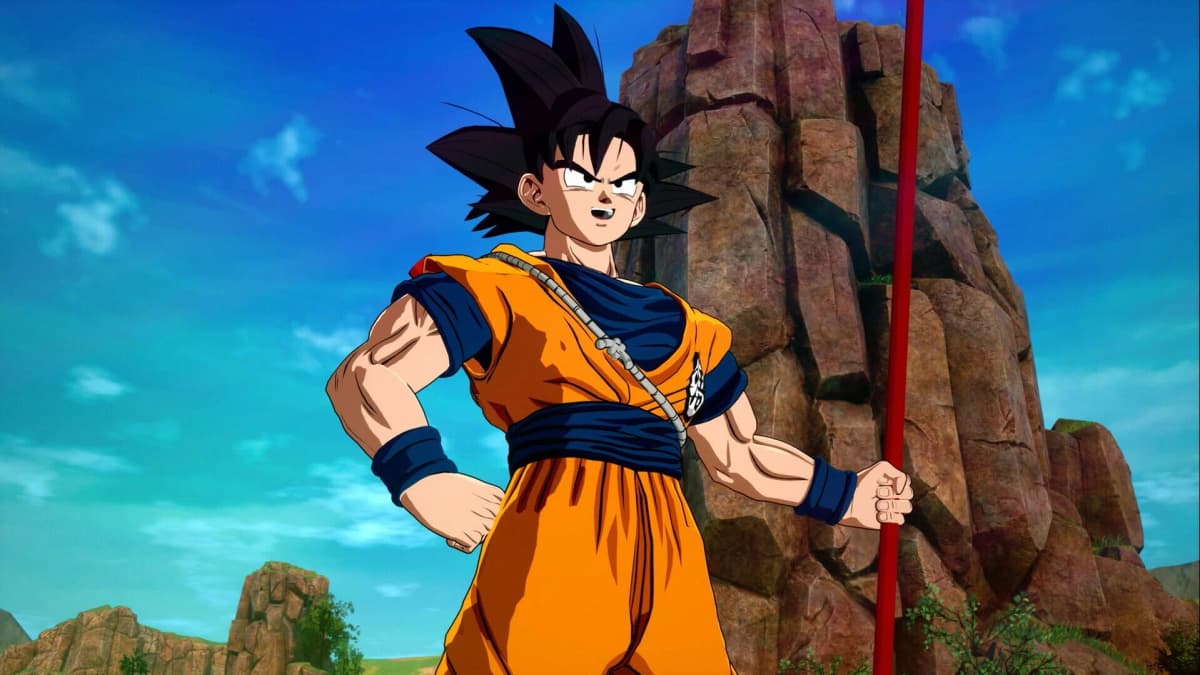
DRAGON BALL: Sparking! ZERO
Dragon Ball: Sparking! Zero takes the legendary gameplay of the Budokai Tenkaichi series and raises it to whole new levels. Make yours the destructive power of…
I tuned into the July Nintendo Direct expecting safe ports and maybe one surprise. Instead, Atlus and Bandai Namco dropped two heavy-hitters: Dragon Ball Sparking Zero and Persona 3 Reload for Nintendo Switch 2. After replaying these classics across every “definitive” edition, I’ve got questions…and just a sliver of hope.
Ports or Progress?
Switch 2’s launch lineup is beefed up by two flagship franchises, but are we looking at genuine technical leaps or just another cycle of feature cuts, DLC splits, and staggered releases? On paper, cross-buy perks and polished visuals sound ideal. In practice, charging separately for chapters and gating multiplayer behind new hardware risks alienating the audience Nintendo is courting.
Dragon Ball Sparking Zero
- Release: November 14, 2025 (Switch 1 & 2)
- Developer/Publisher: Spike Chunsoft / Bandai Namco
- Key Features: 180+ fighters, cross-buy, cross-gen saves, cinematic 3D brawls
- Game Modes: Episode Battle story mode, free battle, tournament brackets
- Online: Global leaderboards, replay sharing, multiplayer locked to Switch 2
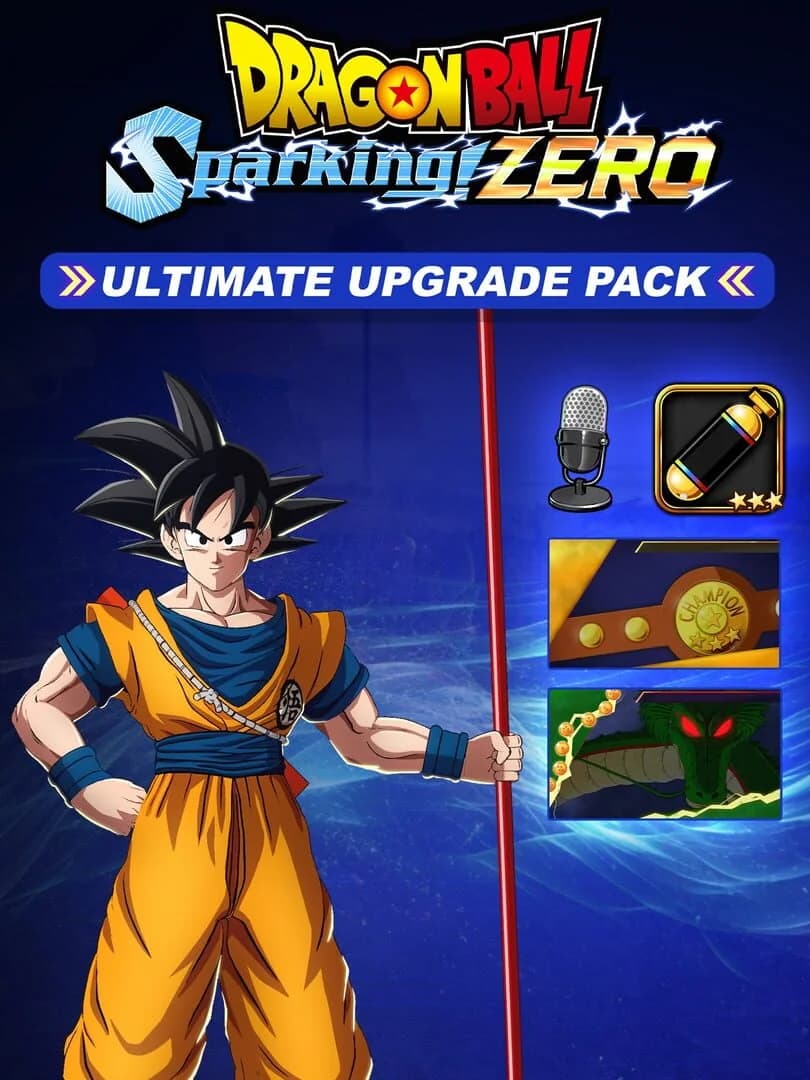
- Preorder Bonus: Six unlockable fighters & Goku Daima skin
Dragon Ball Sparking Zero builds on the Budokai Tenkaichi legacy, promising the franchise’s largest roster ever. From Super Saiyan God Goku to obscure movie villains, this game aims for every corner of the Dragon Ball universe. Episode Battle mode recreates key saga moments with new cutscenes, while cinematic 3D encounters deliver epic beam clashes and environment-smashing ultimates.
Cross-gen save transfers are a welcome concession, letting fans carry over hard-earned unlocks. But restricting multiplayer to Switch 2, even in cross-buy copies, undercuts the seamless experience early adopters crave. If you can’t spar with friends still on the original hardware, is this really a cross-generation feature or just a hardware gate?
Persona 3 Reload
- Release: October 23, 2025 (Switch 2)
- Developer/Publisher: Atlus / Sega
- Editions: Digital Deluxe (OST & artbook), Premium (includes core DLC)
- Physical Release: Confirmed in Japan; Western cartridge TBD
- DLC: Aegis side story sold separately
Persona 3 Reload revamps the PS2 classic with sharper visuals, re-orchestrated soundtrack, and quality-of-life improvements. The Digital Deluxe edition packs a full original soundtrack and a digital artbook, while the Premium tier bundles additional scenario DLC—though the popular Aegis side story remains a separate purchase.
Reload’s updated UI and more fluid combat loops feel like a natural evolution, but splitting content into standalone chapters treads familiar ground. Fans who opted into earlier “definitive” releases might balk at buying the same game multiple times to get every narrative beat. And with the Western physical edition unconfirmed, collectors could feel left out in the cold.
Want to Level Up Your Gaming?
Get access to exclusive strategies, hidden tips, and pro-level insights that we don't share publicly.
Ultimate Gaming Strategy Guide + Weekly Pro Tips
Key Takeaways
- Cross-gen saves smooth the upgrade path, yet locked multiplayer on Switch 1 feels like a step backward.
- Massive rosters and redesigned visuals impress—but only if you’re willing to invest in multiple editions.
- Near-simultaneous launches beat past delays, though re-releases risk fatiguing longtime fans.
- DLC fragmentation may drive revenue short term but fragment community long term.
Between gated features and standalone chapters, each “definitive” label carries an asterisk. Casual players may sail through, but completionists and collectors must juggle preorders, hardware upgrades, and region-specific releases to keep pace.
Broader Implications
Nintendo’s strategy of leaning on proven franchises for Switch 2’s debut caters to early adopters hungry for familiar IP. It’s a safer bet than untested exclusives, especially when you want splashy launch titles. Yet every locked feature or paid add-on reminds us that “definitive” rarely means “complete.” As DLC and edition splits become the norm across the industry, gamers must weigh whether polished ports justify navigating these new hurdles—especially when next-gen consoles often boast ground-up experiences instead.
For Nintendo, balancing fan loyalty against revenue goals is a tightrope walk. Ports will fill the calendar, but to sustain excitement beyond the first quarter, we need fresh surprises or real technical showpieces that fully harness Switch 2’s capabilities. Until then, these blockbuster ports offer a taste of what’s possible—just don’t be surprised if the fine print comes with extra price tags.
TL;DR
Dragon Ball Sparking Zero and Persona 3 Reload bulk up Switch 2 with cross-gen perks and collector bundles—but locked modes, DLC splits, and hardware gates leave us craving something bolder.