
Dragon Quest 1 & 2 HD‑2D Remake hits PC — gorgeous nostalgia with smart tweaks (and a few caveats)
Game intel
Dragon Quest 1 and 2 HD-2D Remake
DRAGON QUEST I & II HD-2D Remake will continue the classic RPG trilogy’s narrative, offering players two adventures to undertake in DRAGON QUEST I and DRAGON Q…
Why this remake actually matters in 2025
As someone who cut their teeth grinding Slimes in Alefgard and then watched Dragon Quest XI bring the series roaring back, this one grabbed me fast. Square Enix has dropped Dragon Quest 1 and 2 HD‑2D Remake on Steam and the Microsoft Store, and it’s more than a coat of pixel polish. These are foundational JRPGs. Getting them on PC in the lush HD‑2D style-while adding new content and systems-feels like the right way to let new players discover the “Erdrick trilogy” without bouncing off 80s design edges. But the big question is always the same: how much is nostalgia, and how much is a genuinely better game?
Key takeaways
- Both remakes add new story beats, dungeons, and mechanics-DQ2 even gets a full Ocean Floor zone with fresh enemies and bosses.
- Combat changes are meaningful: DQ1 now pits you against groups instead of only 1v1, and DQ2 adds a new party character from Cannock.
- New systems (sigils, scrolls, mini medals, tombola) modernize progression without gutting classic Dragon Quest identity.
- They’re still old-school at heart—don’t expect DQXI-level sheen or pacing—but this is the best on-ramp to the originals.
- Price check: $59.99 / £49.99 for the 1&2 package on PC, or bundle with the DQ3 remake for $99.99 / £84.99.
Breaking down what’s actually new
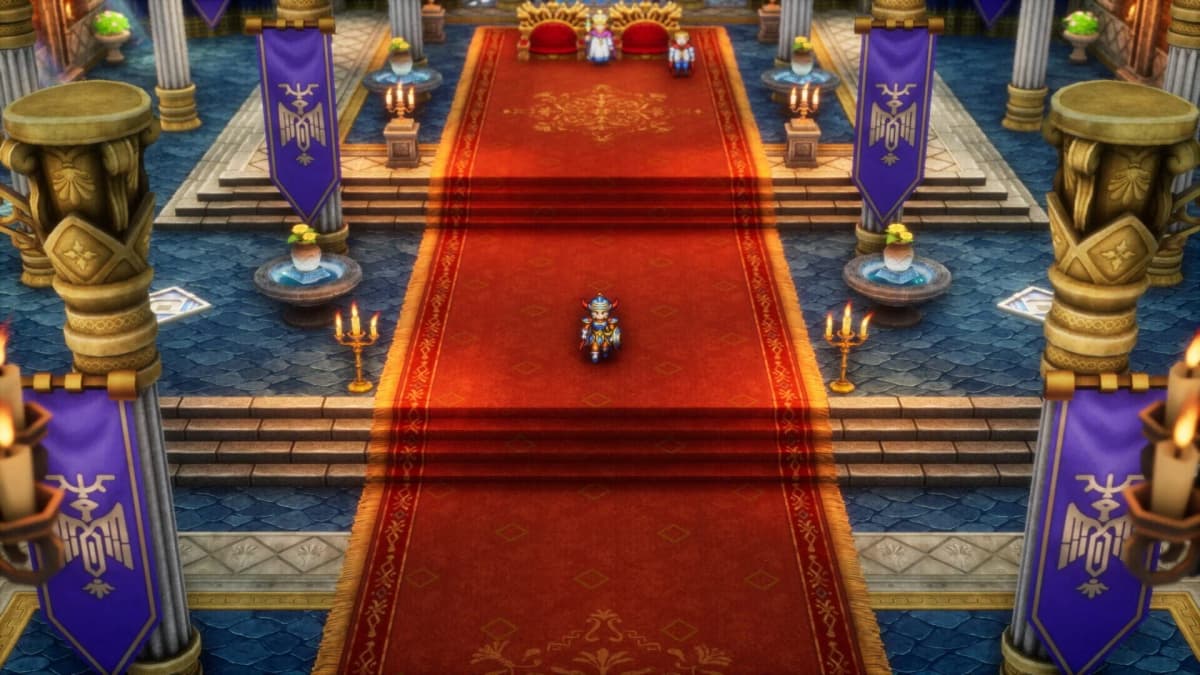
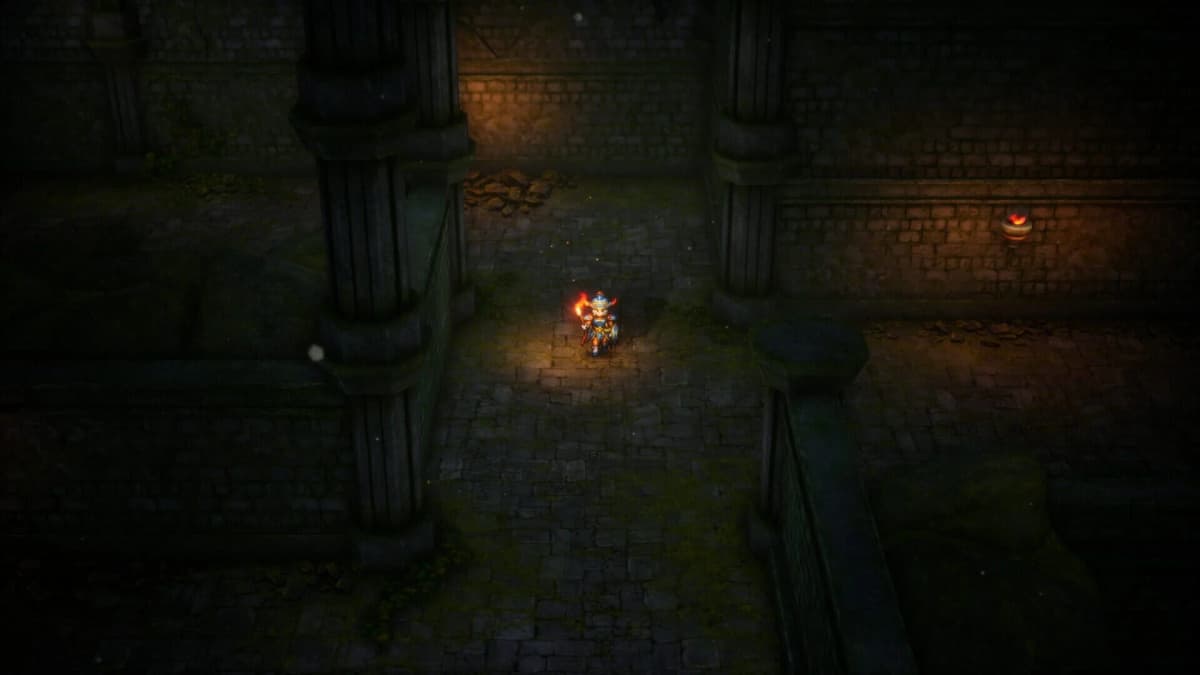
The HD‑2D presentation does the heavy lifting upfront. The remakes keep the iconic silhouettes and tile layouts, then drape them in depth-of-field, lighting, and painterly textures that nod to the originals without flattening them. Think the same philosophy that made Live A Live sing on modern hardware. It’s faithful without being timid.
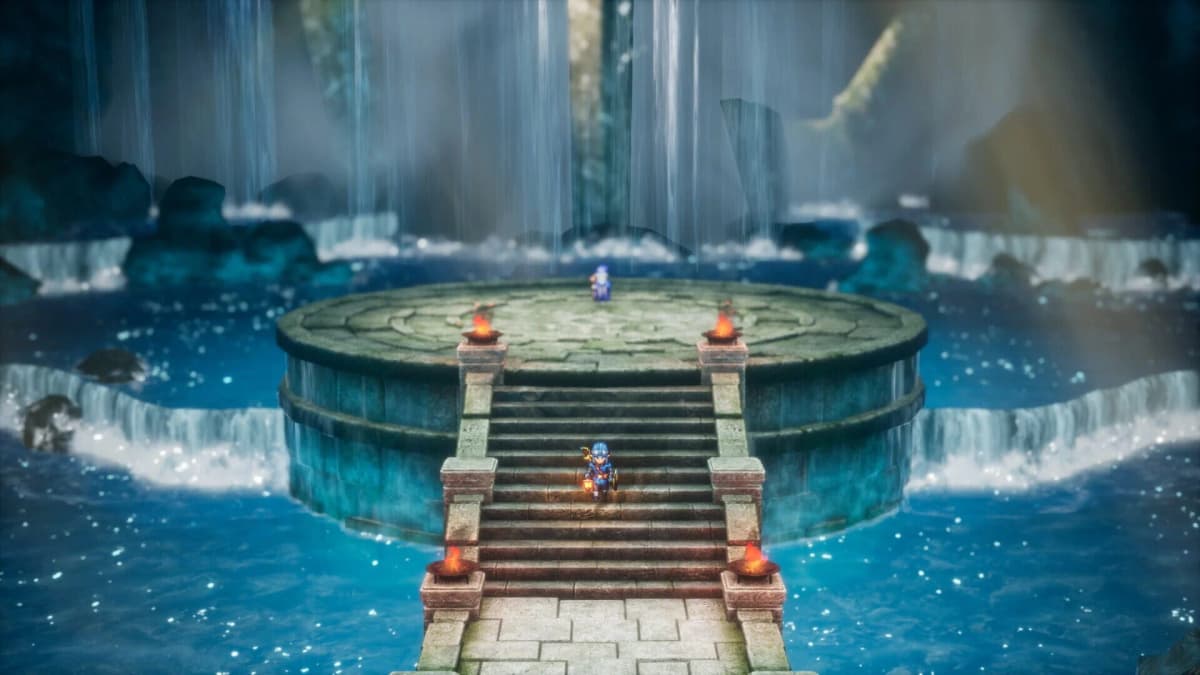
Content-wise, both games get expanded characters, dungeons, and story threads. Dragon Quest 2 is the standout here with a brand-new Ocean Floor region. It’s not just a backdrop—it’s a proper arc with a mermaid town, a ghost ship detour, an undersea vault, and its own roster of enemies and bosses. That’s the kind of addition that can move a remake from “historical artifact” to “you should play this in 2025.”
Combat changes are more than cosmetic. DQ1’s shift from strictly one-on-one fights to group encounters sounds small, but it rewires pacing and party management—even though you’re still rolling solo. Your hero has expanded abilities to cope, and it freshens up an experience that, let’s be honest, used to be a long lane of single-target whacks.
In DQ2, the party system already brought it closer to modern JRPG rhythm, and now there’s a new recruit from Cannock. The Princess of Cannock adds speed and a bit of trickster flair, which should shake up the classic Midenhall/Cannock/Moonbrooke synergy. I’m curious how this reframes boss balance and whether it opens up alternate team comps or just slots into the established meta.
New and returning systems want to smooth the 80s edges without steamrolling them. Sigils—important in the narrative—now affect gameplay, letting you boost skills or magic in meaningful ways. Scrolls let you teach abilities to the character of your choice, which adds a bit of build expression that the originals didn’t really allow. Mini medals return as huntable trinkets you can trade for gear or more scrolls, and there’s even a tombola minigame for extra prizes. It’s all very Dragon Quest: lighthearted meta-progression that gives side trips real payoff.
The gamer’s perspective: value, friction, and who this is for
Let’s talk value. At $59.99 / £49.99 for both games, this sits between “respectable” and “Square Enix tax,” depending on your tolerance for remakes. The $99.99 / £84.99 bundle with the DQ3 remake is the better play if you plan to run the full Erdrick arc; otherwise, you’re paying modern pricing for minimalist storytelling and old-school structure. That’s not a dig—DQ1 and DQ2 are the skeletal blueprint for the genre—but if you expect fully voiced epics and cinematic setpieces, you’re in the wrong era.
The modernization lands where it counts: more flexible builds, more varied encounters, and bigger detours that justify exploration. But don’t expect these to magically erase the classic grind. The series’ identity is still rooted in deliberate pacing, random fights, and dungeon designs that sometimes prioritize spatial memory over smooth flow. If you bounced off DQXI’s early hours, nothing here will convert you. If you liked XI’s “comfort JRPG” rhythm, this is a fascinating museum tour that’s actually fun to play.
My lingering questions are all practical. How aggressive are encounter rates? Did they add better mapping, quest breadcrumbs, or autosave safety nets? Square’s remaster track record swings from brilliant (Live A Live) to head-scratching (remember the font discourse on Pixel Remasters), so I’m eager to see if the QoL polish matches the visual one. The good news: on PC via Steam and Microsoft Store, more players can jump in day-and-date, and that’s a win for preservation and access.
Why this release hits now
HD‑2D is Square Enix’s best nostalgia play. It honors the vibe while clearing the dust. With Like a Dragon openly worshipping Dragon Quest and a new generation of players coming in through Game Pass-era JRPGs, this is the right moment to make the genre’s DNA approachable. DQ3’s remake proved the formula works; bringing 1 and 2 up to that line—and adding real content in DQ2’s Ocean Floor—completes the on-ramp.
TL;DR
Dragon Quest 1 & 2 HD‑2D Remake on PC is the definitive way to experience two genre pillars, with smart new systems and a surprisingly chunky DQ2 expansion. They’re still proudly old-school, and the $60 tag will spark debate, but for anyone curious about where JRPGs began—without suffering 80s pain points—this is the version to play.