
Dragon Quest VII Reimagined cuts the Casino and side arcs — and that might actually be smart
Game intel
DRAGON QUEST VII Reimagined
Purchase DRAGON QUEST VII Reimagined early and receive a costume for your Hero along with other helpful items. [Early Bird Bonus] ・Trodain Togs (appearance ch…
Why this caught my eye
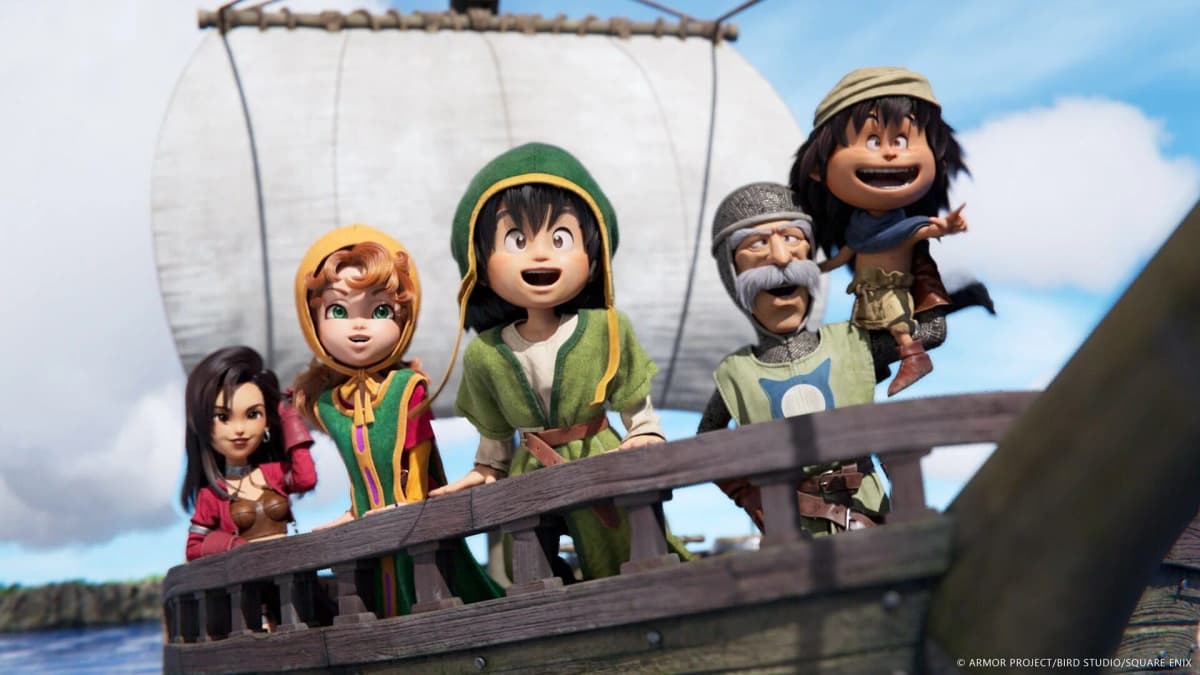
Square Enix used Tokyo Game Show 2025 to confirm that Dragon Quest VII Reimagined won’t just polish the classic-it’s pruning it. Three secondary arcs are out, along with four side activities: the Casino, Monster Park, World Ranking, and the Haven/Immigrant Town. In exchange, we’re getting new story episodes (including the childhood of the hero and Maribel), a brand-new Coliseum, and a reworked Lucky Panel minigame. It lands February 5, 2026. As someone who’s slogged and smiled through both the PS1 original and the 3DS remake, this matters because DQVII is a famously gigantic RPG-brilliant in places, plodding in others. Cutting content in a series as tradition-bound as Dragon Quest is a big swing.
- Square Enix is streamlining DQVII by removing three side arcs and four ancillary systems to sharpen pacing.
- The Casino is gone-a series staple—while Lucky Panel returns in a reworked, non-gambling form.
- New episodes focus on the hero and Maribel’s childhood, and a Coliseum adds a combat-centric attraction.
- Key unknowns: how monster vocations, gear rewards, and progression will shift without the cut features.
Breaking down what’s cut (and why it matters)
Let’s start with the sacred cow: the Casino. For decades, casinos have been a quirky Dragon Quest pressure valve—grind tokens, snag gear, cheese a mid-game spike. Pulling it out signals a deliberate move away from gambling mechanics and toward tighter, less abusable progression. The team says Lucky Panel will return in a revamped form, which suggests they want to keep the light puzzle payoff without the roulette-waiting exploit loop. I’ll miss the ritual of blowing tokens on a miracle Metal King Sword, but I also remember how easily it flattened difficulty curves.
Monster Park (Monster Meadows) is also gone. In the original, it was a collection side-mode that doubled as a love letter to monster design. The big question: how does this affect monster vocations and hearts? If you played the 3DS version, you know monster hearts drove some of the most creative class builds. Cutting the Park doesn’t automatically kill that system, but it raises eyebrows about how collectible-driven vocations will be handled.
The Haven (Immigrant Town) is another casualty. It was a slow-burn town-building thread that rewarded patience with unique shops and a satisfying sense of world persistence. It also padded the runtime and sent you on a lot of aimless recruiting loops. Streamlining here tracks with the stated goal: faster tempo, more story density. World Ranking’s removal is the least painful—leaderboards were novelty fluff for most players, and server-dependent features age poorly.
What’s new: story beats and a Coliseum, not just lip gloss
The headline additions feel targeted. The childhood episodes for the hero and Maribel could do a lot of heavy lifting early, grounding their motivations before the tapestry of time-hopping vignettes kicks in. One of DQVII’s weaknesses has always been how long it takes before the cast feels emotionally anchored; building that foundation up front could pay dividends all the way through Disc 2 energy swings.
The new Coliseum reads like a modern answer to the “what do I do now that I’m strong?” problem. If it’s tuned right, expect it to become the de facto endgame lab—testing job synergies, damage thresholds, and party comps without the Casino’s reward exploits. Ideally, Coliseum prizes replace the old token economy with challenges that feel earned, not farmed.
FinalBoss // Gear
Level up your setup
01Top-rated gaming headsetson Amazon→02High-refresh gaming monitorson Amazon→03Gaming chairson Amazon→04Discounted game keyson Kinguin→Affiliate links · As an Amazon Associate, FinalBoss earns from qualifying purchases.
As for Lucky Panel’s return, decoupling it from the casino floor is smart. The minigame’s always been more about pattern recognition and risk management than gambling. If the rework threads the needle—snappy rounds, meaningful but not game-breaking rewards—it can scratch the “one more flip” itch without trivializing combat balance.
Pacing versus personality: the real trade-off
Dragon Quest VII’s identity is an anthology of small tragedies and recoveries stitched together by the stone tablet loop. Some arcs were unforgettable; some absolutely dragged. The promise here is a “refocused” narrative that keeps the heart and trims the fat. I’m cautiously optimistic. DQXI already proved the series can modernize pacing without losing soul—visible encounters, faster battle flow, better signposting. But cutting long-running series traditions (like the Casino) will rub purists the wrong way, and DQVII’s side modes contributed to that “lived-in” feel people love revisiting.
For newcomers, this reimagining might be the best on-ramp yet: fewer detours, more character focus, and a clear high-skill destination in the Coliseum. For returning fans, it’s going to come down to execution. If the new episodes genuinely deepen the cast and the Coliseum rewards smart play the way casinos rewarded patience (and save scumming), the trade will feel fair. If not, the cuts will read like lost flavor.

Open questions I want answered
- Do monster vocations and hearts survive in a different form, or are they streamlined alongside Monster Park?
- Are the three removed story arcs gone outright, or have key beats been folded into other scenarios?
- What replaces token-driven gear progression—does the Coliseum become the main path to top-tier equipment?
- How do you access the reworked Lucky Panel, and can it still be min-maxed without breaking balance?
- Does the early-game flow of stone fragments get tightened to reduce the notorious slow start?
Why this matters now
2026 is already stacked. A leaner, more focused DQVII has a real shot at reaching people who bounced off the original’s sheer volume. And let’s be honest: courage to kill darlings is rare in legacy JRPG remakes. If Square Enix sticks the landing, this could be the definitive way to play one of the series’ most divisive entries—respecting the past without being shackled to it.
TL;DR
Dragon Quest VII Reimagined trims three side arcs and axes the Casino, Monster Park, World Ranking, and the Haven, while adding new childhood story episodes, a Coliseum, and a reworked Lucky Panel. It’s a bold bet on pacing and character focus; whether it pays off hinges on how well the new content replaces the old rewards and charm.
Release date is February 5, 2026. I’m intrigued—and ready to see if the Coliseum and story additions make me forget the lost tokens.