
Dragon Quest VII Reimagined turns a marathon JRPG into a storybook—here’s the real deal
Game intel
DRAGON QUEST VII Reimagined
Purchase DRAGON QUEST VII Reimagined early and receive a costume for your Hero along with other helpful items. [Early Bird Bonus] ・Trodain Togs (appearance ch…
Why This Announcement Actually Matters
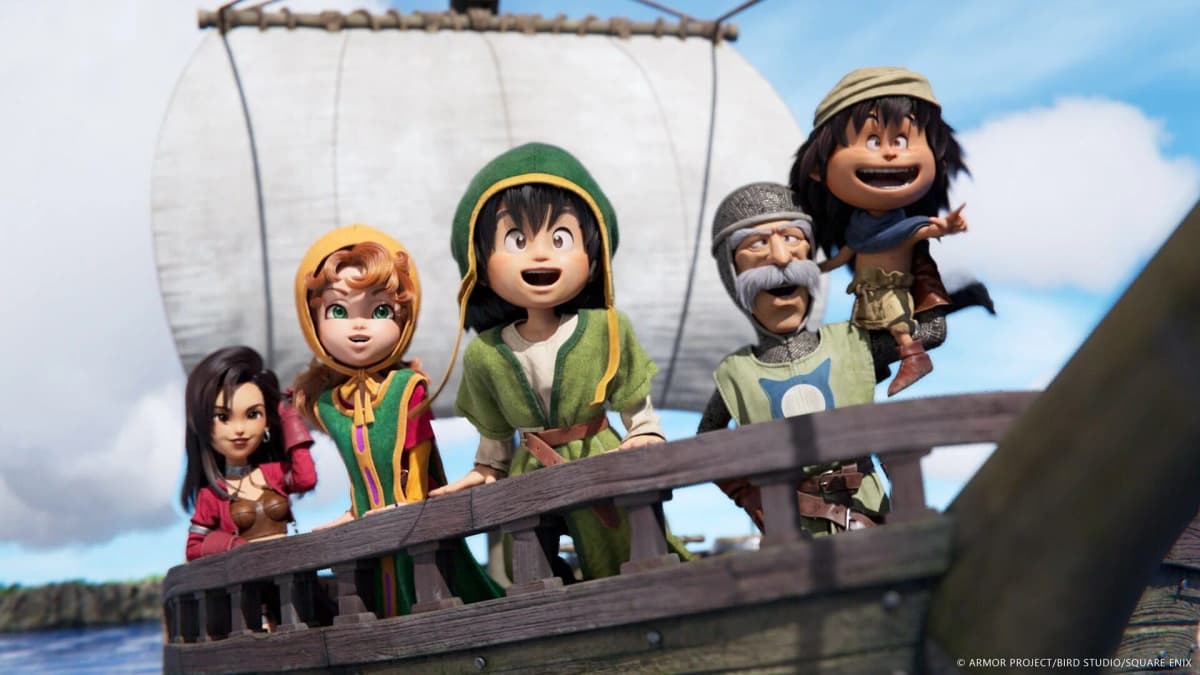
Dragon Quest VII is the series’ slow-burn epic-the one famous for making you wait hours before your first proper fight, then burying you under stone shard hunts and job grinding. That’s why Dragon Quest VII Reimagined caught my eye. Square Enix isn’t just porting it again; they’re rebuilding it with a diorama-style 3D look, revamped turn-based battles, and a “streamlined” story. The big question: can they preserve VII’s wild, time-hopping charm while fixing the parts that made it a homework assignment for some players?
- Diorama 3D art aims for a living storybook vibe-not HD-2D, but a cousin with its own personality.
- “Streamlined” pacing is the make-or-break change for a game infamous for its long wind-up.
- Revamped turn-based combat needs to modernize without gutting the job system’s depth.
- Multi-platform launch (Switch/Switch 2/PS5/Xbox/PC) finally brings VII to Xbox and PC players.
- Deluxe early-access pricing is a red flag unless the extras are substantial and respectful.
Breaking Down the Announcement
Square Enix is positioning this as a faithful remake with modern sensibilities. The release date is February 5, 2026, with a $59.99 base price and a $74.99 Deluxe Edition that advertises early digital unlock and DLC. Collector’s Edition exists, but specifics are vague. Platform coverage is broad: Nintendo Switch and its successor, PlayStation 5, Xbox Series X|S, and PC via major storefronts. That cross-platform push matters-Dragon Quest VII hasn’t had a proper presence on Xbox or PC before, and the 3DS remake never left Nintendo hardware.
Square’s pitch: the same heart, reimagined presentation. Expect faster travel, better UI, and other quality-of-life upgrades. The studio also promises refined storytelling that trims downtime, which could be transformative if it targets the pain points—namely the opening hours and the shard hunt that killed momentum for a lot of would-be fans.
The Real Questions: Pacing, Jobs, and Shards
Veterans know VII for its anthology-style arcs—each island is basically its own time-looped mini-epic—and for a class system that blossoms late but demands grinding to unlock the coolest hybrid jobs. The 3DS remake eased some friction with better guidance and faster progression, but it still felt like a marathon you had to plan for.
If “streamlined narrative” means:
- Shortening the pre-battle prologue to get you fighting sooner,
- Smarter shard tracking so you’re not pixel-hunting ruins,
- Encounter rate control, battle speed-up, and auto-battle that respects strategy,
—then this remake could become the definitive way to play. If it means truncating or compressing beloved vignettes, that’s a problem. VII’s magic lives in its strange, often melancholic side stories—villages cursed by time, moral choices with consequences you only grasp decades later. Cut the fat, yes, but not the muscle.
The job system is another tightrope. Modernizing turn-based combat is great, but don’t sand off the weirdness that makes class experimentation satisfying. Give us clearer build paths, faster unlocks, and better explanations for hybrid classes without turning everything into homogenized “roles.” Think Trails’ turbo mode or Persona’s QoL without losing that crunchy Dragon Quest identity.
FinalBoss // Gear
Level up your setup
01Top-rated gaming headsetson Amazon→02High-refresh gaming monitorson Amazon→03Gaming chairson Amazon→04Discounted game keyson Kinguin→Affiliate links · As an Amazon Associate, FinalBoss earns from qualifying purchases.
Visuals and Performance: The Storybook Bet
The diorama 3D pitch feels smart. HD-2D is already spoken for by Octopath and Dragon Quest III, so a living storybook approach gives VII a distinctive look without chasing realism. The art direction fits VII’s episodic fairy-tale structure, and if the team leans into tactile sets, exaggerated depth-of-field, and readable UI, it could be both charming and functional.
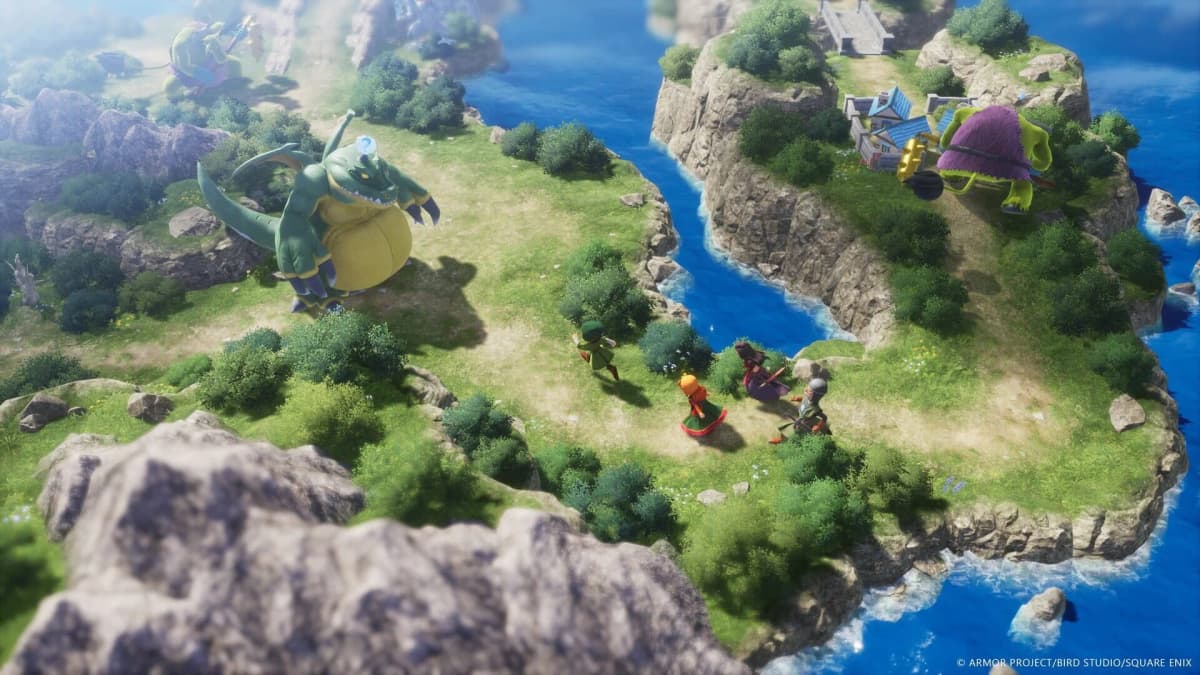
Practical worries remain. Text size and UI clarity matter for handheld play, especially on the current Switch. Performance parity will be a talking point too—JRPGs don’t need 120 FPS, but stable frame pacing, minimal loads, and snappy battle transitions are crucial across Switch, Switch 2, PS5, Xbox, and PC. Camera readability in diorama spaces is another potential pitfall; smart angles and a good mini-map will matter more here than flashy shaders.
Wallet Check: The Deluxe Edition Question
Charging extra for early digital access is a trend I’ll never love. If the Deluxe Edition’s value hinges on playing a few days early and a sprinkle of cosmetic DLC, that’s a miss. If we’re talking substantial side content—challenge dungeons, meaningful job cosmetics, or a robust soundtrack bundle—then we can talk. Transparency is key: tell players exactly what’s in, what’s out, and whether post-launch DLC touches gameplay, not just outfits.
Why This Could Be the Definitive Version
With the right cuts and conveniences, VII’s strengths can finally breathe. The time-hopping vignettes are some of the series’ most memorable, the soundtrack is prime Dragon Quest comfort food, and the class system rewards tinkering in ways modern RPGs rarely do. Put that in a diorama frame, keep the heart intact, and give us the tools to skip the busywork—suddenly the “daunting” Dragon Quest becomes the one I’d recommend first to newcomers in 2026.

Looking Ahead
Before launch, watch for specifics on encounter options, battle speed, shard tracking, and any content changes versus PS1/3DS. A demo would be clutch to prove the opening hours have been fixed. And for PC players: keep an eye on resolution scaling, remappable controls, and text options; for Switch owners, look for handheld readability and stable performance.
TL;DR
Dragon Quest VII Reimagined looks like a smart, storybook rebuild of the series’ most divisive epic. If Square Enix trims the tedium without gutting the soul—and doesn’t hide meaningful content behind Deluxe upsells—this could finally be the version everyone finishes and loves.