
Table of Contents (7)
Why this remake actually matters for players
Dragon Quest VII has always been the oddball of the series: a PS1 marathon where the first real battle can take hours to arrive and the main story alone easily breaks 80 hours. Square Enix’s newly announced Dragon Quest VII Reimagined (out February 5, 2026) is aiming straight at that reputation. The big deal for players isn’t just a new coat of paint-it’s a suite of mechanical changes that could finally turn one of JRPG’s most daunting epics into something approachable without sacrificing depth. Dual vocations, visible monsters you can smack for an advantage, and granular difficulty sliders are the headline features, and they could change how this game feels moment to moment.
Key takeaways
- Dual vocations let you equip two classes at once-flexible builds, potentially broken combos if balancing slips.
- Visible monsters and pre-emptive strikes speed up farming and let you choose your battles, fixing the PS1-era pacing.
- Comfort options (enemy damage, EXP gain, monster behavior, post-battle healing) make the journey as chill or punishing as you want.
- Diorama-style environments and doll-like characters with voice acting and new cinematics amp up storytelling-divisive look, stronger delivery.
The reimagining: more than a visual upgrade
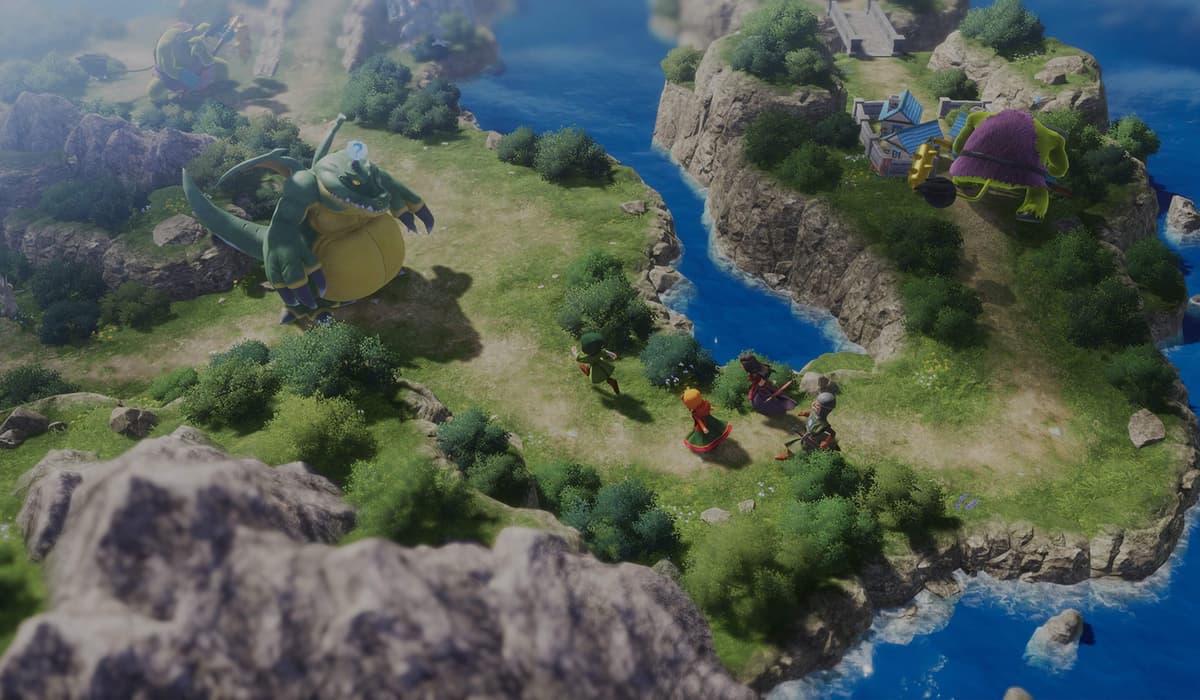
Square Enix didn’t stop at HD textures and better lighting. The studio has gone with a diorama aesthetic for towns and dungeons and a “handcrafted doll” look for characters. It’s striking in motion, less so in static screenshots—Kiefer (Kilillan/Killyan) in particular sparked some early side-eye, but the style reads better once you see the lighting play across cloth and plasticine-like materials. It’s closer to Dragon Quest XI’s production values than the cozy charm of the HD-2D remakes from 2024 and 2025, just a touch moodier, which honestly fits VII’s sometimes melancholic arcs.
The staging also seems more ambitious. Voice acting and fresh cinematics punch up key moments—think the apocalyptic sequence where waves swallow the land, now properly ominous rather than implied. VII has always been a story-first entry with vignette-like islands and time-spanning quests; better presentation should help those tonal shifts hit harder.
The gameplay upgrades that actually change the grind
The headline feature is dual vocations. Instead of locking a character into a single class, you can run two at once. If you’ve tinkered with Bravely Default-style job combos, you know how wild this can get: a support-tank hybrid that refuses to die, a spellblade that chains debuffs into crit bursts, or a dedicated healer that also farms AP with AoE. The promise is clear—freedom to experiment. The risk is equally obvious: power creep and degenerate builds that trivialize late-game bosses unless there’s thoughtful gating and synergy tuning. Dragon Quest’s job systems have historically been exploitable (hello, DQVI hybrids), so the balancing act here is everything.
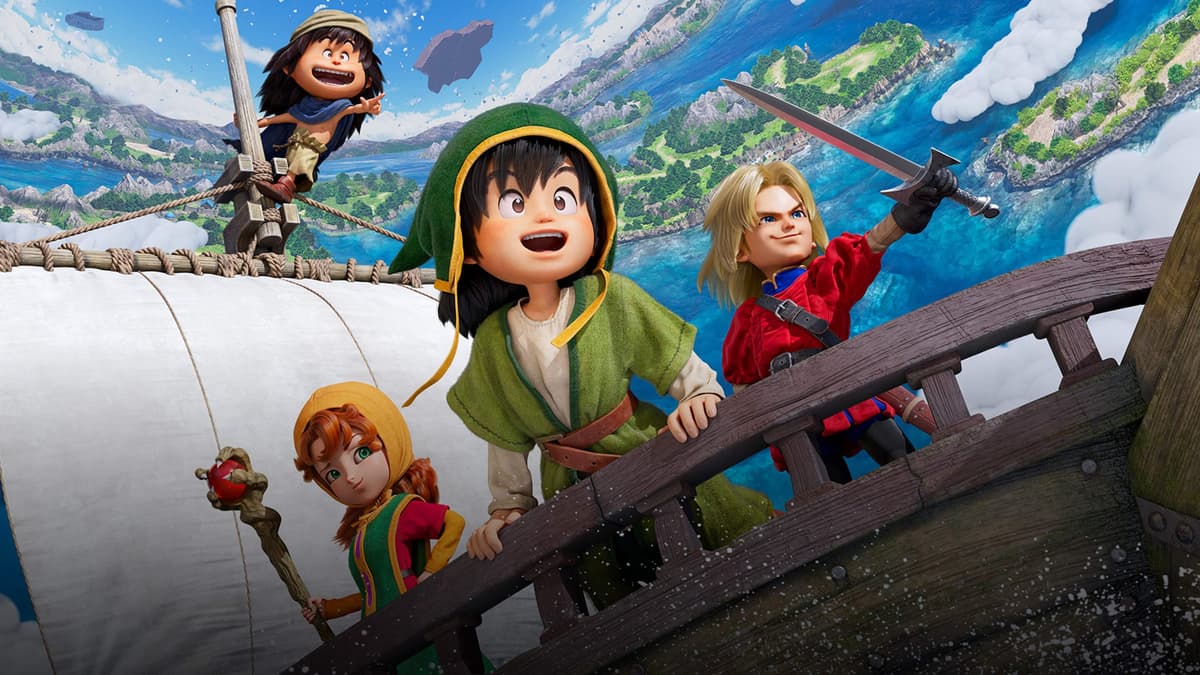
Then there’s the return of visible monsters on the field, with the ability to smack them for a pre-emptive advantage. That was a godsend in the 3DS remake and it’s essential here too. VII’s shard-hunting structure means lots of backtracking and revisits; choosing your fights and speeding up farming makes the whole adventure feel less like a slog. It’s the same philosophy that made Dragon Quest XI’s field attacks so easy to love: give players agency, cut the dead time, respect their hours.
The new comfort options are the sleeper hit. You can tune enemy damage, EXP gain, monster behavior, and even toggle post-battle healing. It’s like Draconian Quests flipped both directions: not just “harder for veterans,” but “smarter for everyone.” Want the original’s attrition-heavy vibe? Crank the damage and turn off free heals. Introducing a friend to Dragon Quest for the first time? Boost EXP and let them focus on the islands’ self-contained stories. This is accessibility done right—player-first, not patronizing.
Context: Square Enix is betting big on remakes—so why VII, and why now?
Square Enix has been on a remake tear: Dragon Quest III HD-2D in 2024, I & II in 2025, and now VII—skipping the Zenithian trilogy (IV-VI) for the moment. Meanwhile, Dragon Quest XII is still a question mark. If you’re wondering why they jumped to VII, my read is simple: it benefits the most from modernization. The PS1 original is brilliant but famously glacial; even the excellent 3DS remake couldn’t shake the series’ perception that VII is “for the diehards.” Reimagined feels like a shot at making it the definitive, approachable version—closer to XI’s mainstream appeal without flattening the crunchy job systems.
The studio is also signaling this isn’t a 1:1 restoration. There are cuts and rearrangements aimed at improving flow. That could be great—trimming bloat in the shard hunts and smoothing filler islands—or it could sand off too much of the weirdness that makes VII memorable. I’m also curious what happens to monster hearts and the monster-class track. If dual vocations overshadow monster classes, that’s a loss for variety. The balance between modernization and identity is delicate.
The gamer’s perspective: excited, with a healthy dose of skepticism
This caught my attention because VII is the series’ biggest fixer-upper. The diorama look won’t be for everyone, but it’s bold. The voice work and new cinematics should help the drama land. Dual vocations could deliver the most expressive builds Dragon Quest has ever had. And those difficulty sliders? Chef’s kiss for player agency.
But “reimagined” is doing a lot of lifting here. If Square Enix nails balance and trims fat without declawing the game’s eccentric structure, this could be one of 2026’s best RPGs. If not, we might get a gorgeous, breezy tour that loses the sense of discovery that made finally restoring a new island in the original feel so magical. I’ve seen remakes chase vibes and miss the soul. I’m hopeful this one doesn’t.
TL;DR
Dragon Quest VII Reimagined launches February 5, 2026 with dual vocations, visible monsters, and flexible difficulty options—all aimed at fixing the series’ slowest, longest entry. The upgrades look smart and the presentation is promising, but the real test will be balance and how much Square Enix trims from the original’s quirky sprawl.
FinalBoss // Gear
Level up your setup
01Retro consoleson Amazon→028BitDo controllerson Amazon→03Capture cards (Elgato & more)on Amazon→04Discounted game keyson Kinguin→Affiliate links · As an Amazon Associate, FinalBoss earns from qualifying purchases.
Want to Level Up Your Gaming?
Get access to exclusive strategies, hidden tips, and pro-level insights that we don't share publicly.
Ultimate Gaming Strategy Guide + Weekly Pro Tips