
Dragon Quest VII’s remake finally cuts the slog — but the “doll” art twist is the real surprise
Game intel
DRAGON QUEST VII Reimagined
Purchase DRAGON QUEST VII Reimagined early and receive a costume for your Hero along with other helpful items. [Early Bird Bonus] ・Trodain Togs (appearance ch…
This caught my attention because Dragon Quest VII is the series’ brilliant-but-brutal outlier-the one many of us bounced off thanks to that infamous multi-hour windup before the first battle. With Dragon Quest VII: Reimagined, Square Enix isn’t just polishing the PS1 relic; it’s finally tackling the pacing and layering in a bold “scanned dolls” art direction and a fresh secondary vocation system. If they stick the landing, this could turn a respected chore into a modern classic.
Key Takeaways
- The remake trims DQ7’s notorious pacing, aiming to “respect players’ time” without gutting the story.
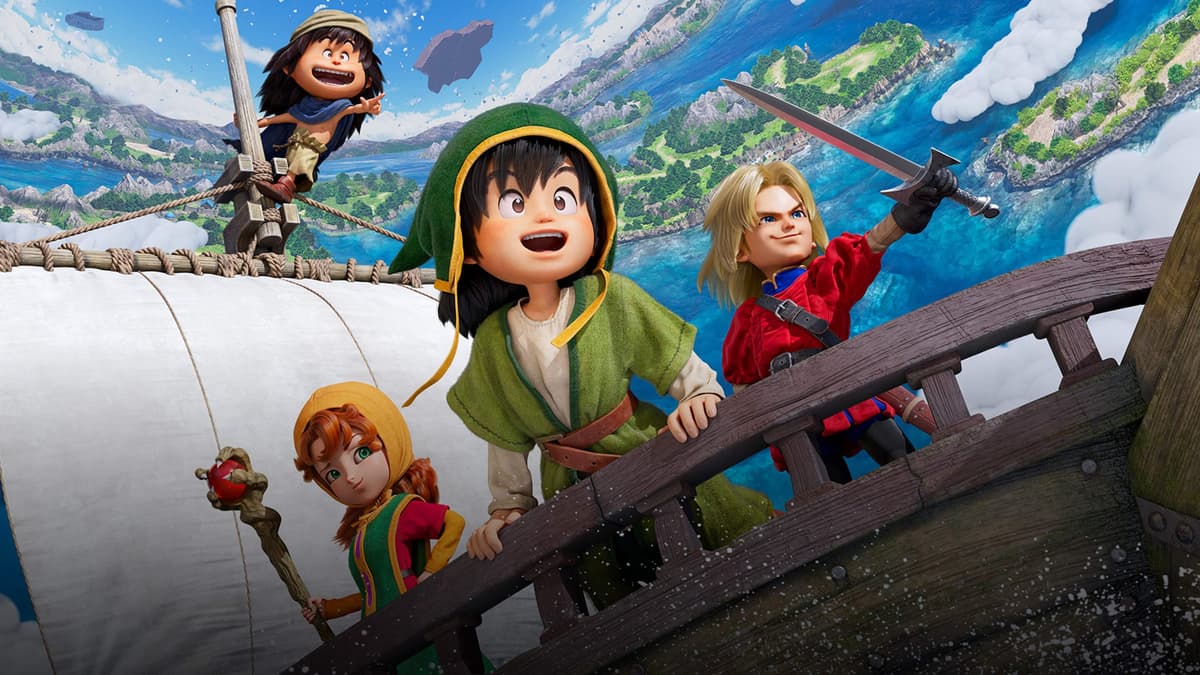
- A handcrafted look built from physical, scanned figurines gives the game a cozy, diorama vibe that nods to Akira Toriyama.
- New “Moonlighting” sub-jobs shake up turn-based combat, with balance reworked around dual vocations.
- The darker vignettes remain intact-expect moral twists and melancholy alongside the cutesy look.
The doll-scanned art style is a risky tribute that might just sing
Square Enix physically built dolls of the party, scanned them, and constructed the rest of the game to match. It’s a wild swing that lands somewhere between a lovingly crafted diorama and stop-motion charm. As an homage to the late Akira Toriyama’s squat, adorable DQ7 designs, it makes sense: fabric textures pop, facial features read cleanly from a pulled-back camera, and battles zoom in just enough to show off the detail without breaking the series’ classic framing.
I’m into it because it avoids the safe, sepia-HD-2D route and instead gives DQ7 its own identity. Think Link’s Awakening’s toybox feel, but more directly faithful to Toriyama’s shapes. The potential downside is longevity: DQ7 is a sprawling epic, and a “cute” aesthetic needs to carry genuinely heavy scenes. Early impressions suggest it works-theatrical voice deliveries soften the bleakness without undercutting it—but whether this look remains fresh over 60+ hours is the real test.
Fixing the infamous slog (finally)
Let’s be blunt: the original’s opening asked players to wait literal hours before throwing a punch. Even the 3DS version only sanded the edges. Producer Takeshi Ichikawa has been candid about streamlining and modernizing systems because, in his words, players today expect games to respect their time. That matters for DQ7 more than maybe any entry; its island-by-island, shard-driven structure is brilliant narrative architecture buried under pacing cement.
From the slice shown so far, the studio hasn’t neutered the tone to make it “faster.” One early vignette drops you into Wetlock, where a kindly busker seems to spirit the town away—until you learn he’s saving them from a sea fiend ready to drown the continent. It’s a classic DQ7 twist: cozy setup, gut-punch reveal, moral shades of gray. The monsters roam the dungeon in full view (goodbye, pure randoms), and line-of-sight sneaking lets you control encounter density—a simple tweak with big pacing payoff.
The big question: how deep do the cuts go? Streamlining menus and encounter flow is great, but the shard hunt and backtracking are what historically ballooned playtime. If Reimagined clarifies objectives, trims dead ends, and gives better early access to combat and class experimentation, it’ll have solved the right problem.

FinalBoss // Gear
Level up your setup
01Retro consoleson Amazon→028BitDo controllerson Amazon→03Capture cards (Elgato & more)on Amazon→04Discounted game keyson Kinguin→Affiliate links · As an Amazon Associate, FinalBoss earns from qualifying purchases.
Want to Level Up Your Gaming?
Get access to exclusive strategies, hidden tips, and pro-level insights that we don't share publicly.
Ultimate Gaming Strategy Guide + Weekly Pro Tips
Moonlighting sub-jobs could reshape the meta
Here’s the design swing that excites me: Dragon Quest VII: Reimagined introduces “Moonlighting,” essentially a secondary vocation layered onto your main job. If you’re picturing Final Fantasy V’s sub-jobs or Bravely Default’s dual-role builds, you’re in the right neighborhood. The team says it rebalanced encounters assuming everyone can Moonlight, which implies enemies and bosses will push you to leverage hybrid synergies instead of brute-forcing with a single optimal class.
That means new party identities. Picture a Thief moonlighting as a Priest to self-sustain while feeding MP to a Mage, or a Gladiator pairing with a Support job for team-wide buffs that keep glass cannons alive. The original DQ7’s class system could be grindy but rewarding; if Moonlighting accelerates access to expressive builds without forcing hours of job treadmill, that’s a huge win. The caveat is balance—dual-role systems can trivialize difficulty if action economy spirals. Ichikawa’s team insists it’ll still challenge veterans; we’ll see how far they push status effects, resistances, and boss scripting to keep hybrid teams honest.
Why now—and why skip straight to VII?
Square Enix has been on a remake bender: the Erdrick Trilogy leaning into HD-2D nostalgia, Final Fantasy VII going full alternate-universe blockbuster. DQ7: Reimagined threads a middle path—reverent, but not precious. Skipping IV-VI makes sense when you remember those already had strong DS-era remakes and remain structurally cleaner. VII is the problem child that most needed intervention, and a new art identity helps sell that this isn’t just the same 80-hour gauntlet in higher resolution.
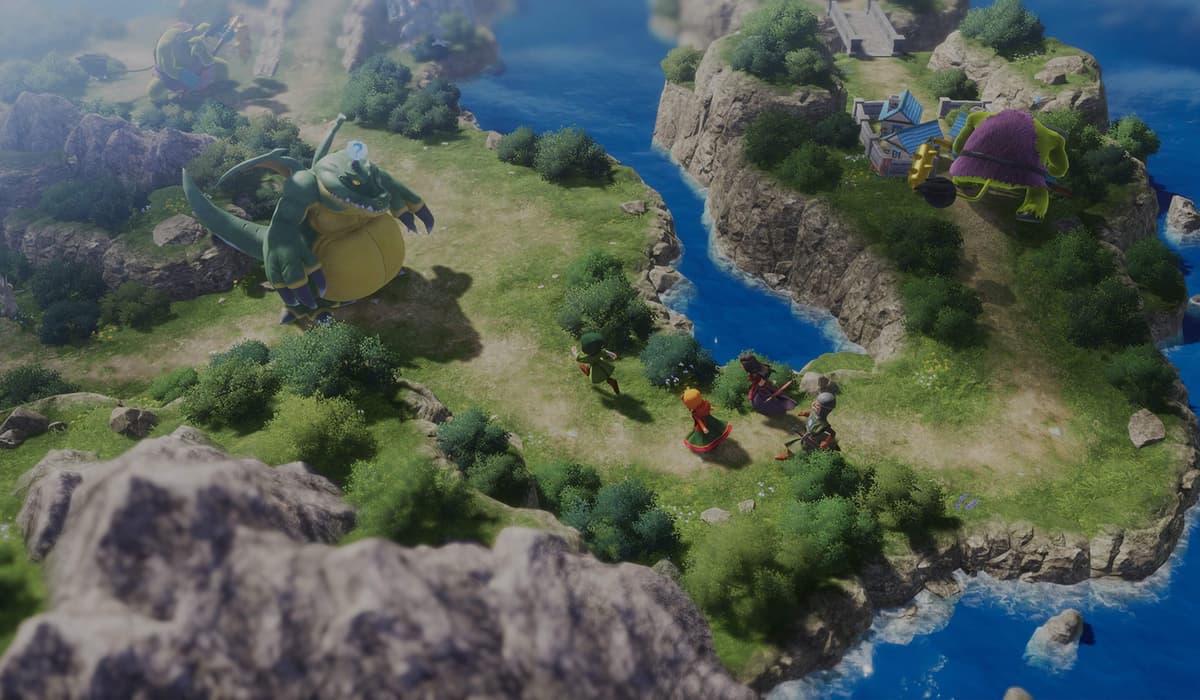
There’s also the Toriyama factor. Turning his cutesier DQ7 silhouettes into tactile figurines reads as a heartfelt tribute after his passing, not just a stylistic flex. It gives Reimagined a personality the series rarely chases between mainline entries—and if Square Enix wants Dragon Quest’s “big moment” in the West, picking the series’ most divisive classic and making it sing is a smart statement.
Open questions
- How aggressively are the shard hunts and backtracking streamlined?
- Will Moonlighting reduce grind or just move it around the buildcraft?
- Are there modern QoL standbys—battle speed toggles, clearer quest logs, flexible save options?
- Can the diorama look maintain visual freshness across dozens of islands and eras?
TL;DR
Dragon Quest VII: Reimagined looks like the right kind of remake: fix the notorious pacing, double down on the series’ heart, and add meaningful systems like Moonlighting to deepen combat. If the streamlining hits the right spots and the balance holds, this could be the version of DQ7 we recommend without caveats—for newcomers and lapsed fans alike.