
Dragon Quest VII’s remake isn’t HD-2D—and its dual-job twist might change everything
Game intel
DRAGON QUEST VII Reimagined
Purchase DRAGON QUEST VII Reimagined early and receive a costume for your Hero along with other helpful items. [Early Bird Bonus] ・Trodain Togs (appearance ch…
Why Dragon Quest VII Reimagined Actually Matters
Square Enix didn’t go with the easy answer. Instead of slapping the now-familiar HD‑2D sheen on one of the series’ most sprawling epics, Dragon Quest VII Reimagined opts for a bold diorama look, a reworked vocation system that lets you run two jobs at once, and combat/exploration adjustments that feel closer to Dragon Quest XI. That’s interesting for two reasons: it shows Square isn’t turning “remake” into a one-size-fits-all filter, and it tackles the biggest complaint about DQVII’s PS1/3DS incarnations-pacing-head-on.
Key Takeaways
- Not HD‑2D: the new diorama “handmade” art direction is strange in trailers, charming in motion.
- Dual vocations via “Moonlighting” speeds up growth and unlocks powerful synergies.
- Frenzy (think DQXI’s Pep) adds job-specific bursts like the hero’s Ocean’s Protection.
- Visible enemies, faster battles, and a promised tighter structure target DQVII’s pacing problem.
Breaking Down the New Art Direction
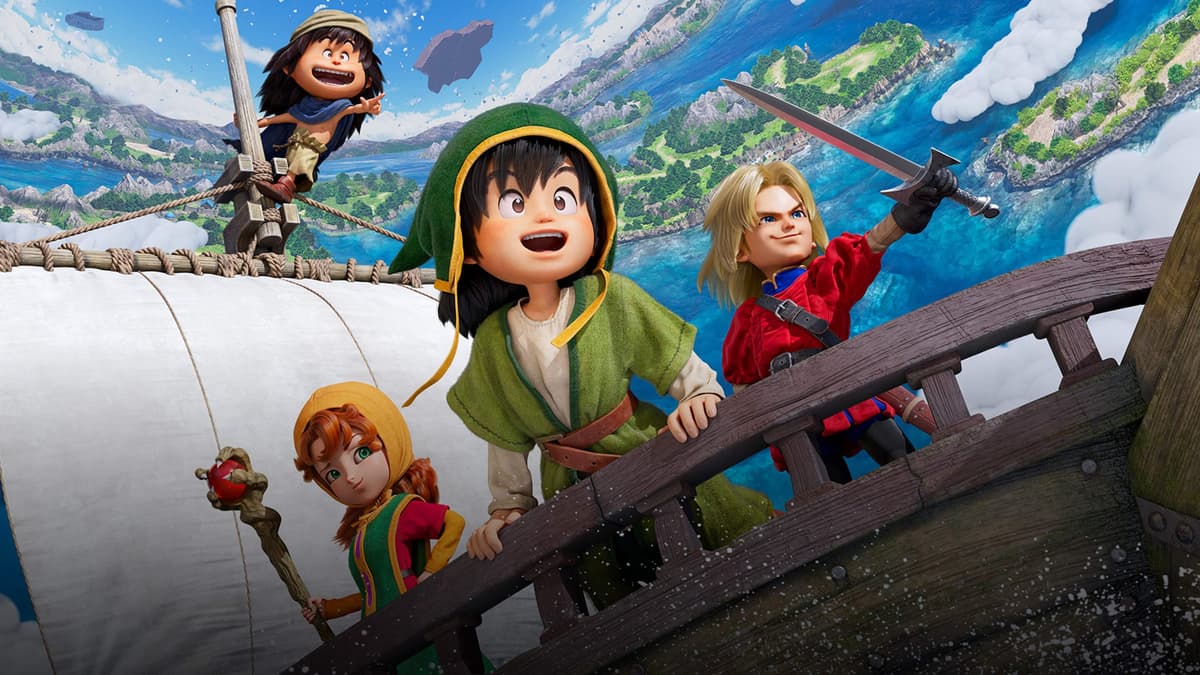
This caught my attention because Square Enix could have coasted on HD‑2D after Dragon Quest III HD‑2D blew up online. Instead, DQVII Reimagined goes for miniatures-meets-illustration: villages look like carefully painted models, ruins have that delicate “carved” texture, and lighting sells the illusion. Those chunky 3D faces with a slight “big head” vibe looked odd in the reveal, but in motion Toriyama’s designs still land-the silhouettes, expressions, and character reads are unmistakable.
In the PS5 preview slices shown to media, Brassila’s Festival of Flames pops with warm glow and festival smoke, while Houle—flooded by Gracos—leans into cool, glassy reflections that sell the waterlogged mood. It’s different from the series’ usual 3D look and definitely not the nostalgia glaze of HD‑2D, but it feels bespoke to VII’s scrapbook-of-eras structure. If Square’s goal was to make each time-shifted stop feel like thumbing through a handcrafted diorama, they’re onto something.
Classes Reworked: Moonlighting and the Two‑Job Gambit
Dragon Quest VII’s vocation system was always the meat of the buildcraft. Reimagined keeps that DNA but adds “Moonlighting,” letting a character equip two vocations simultaneously. In practice, you level two skill trees at once and combine abilities for new wrinkles—a clear bid to cut grind and open up team synergies earlier. It’s the kind of quality-of-life shift that could make experimentation fun instead of a multi-hour tax.
There’s also a Frenzy mode reminiscent of DQXI’s Pep. Pop it and you trigger a vocation “privilege”—a job-flavored super. The example shown: the hero’s Ocean’s Protection, a timed party buff to attack and agility. In the early section where the party was smaller and only one vocation was available, the boss (the Grand Fulminant—name likely placeholder) hit like a truck. Later, with four members and dual jobs in play, the system’s tactical depth started to shine.
I love the potential, but I’m watching for balance. Two jobs plus Frenzy bursts could blur class identity or trivialize mid-game encounters if tuning’s loose. The fix is straightforward—longer cooldowns, mastery gates, or combo limits—but this is the kind of system where “fun strong” needs to stop short of “steamroll.” If Square nails that line, DQVII’s vocation sandbox could go from grindy to genuinely expressive.
FinalBoss // Gear
Level up your setup
01Retro consoleson Amazon→028BitDo controllerson Amazon→03Capture cards (Elgato & more)on Amazon→04Discounted game keyson Kinguin→Affiliate links · As an Amazon Associate, FinalBoss earns from qualifying purchases.
Exploration and Combat: Modern DQ Comforts, Less Friction
Good news for anyone who bounced off the 3DS version’s back-and-forth: Reimagined uses visible enemies on the field like DQXI. You can get a preemptive strike, and the game offers the modern toggles we expect now—faster battle speed, auto-tactics for routine fights, and quick snappiness that respects your time. Treasure churn is classic Dragon Quest: consumables and gear upgrades tucked into chests, plus mini medals scattered to reward poking around.
Presentation helps a ton here. The diorama sets lean on detailed props and lighting, and the team’s doubled down on vibes with an enchanting score and proper voice acting (Japanese and English). The series has always walked a line between cozy and epic; this presentation pushes the cozy without losing the stakes, which fits VII’s chaptered, town-by-town storytelling.
Want to Level Up Your Gaming?
Get access to exclusive strategies, hidden tips, and pro-level insights that we don't share publicly.
Ultimate Gaming Strategy Guide + Weekly Pro Tips
The Real Question: Can They Fix the Pacing?
Let’s be honest: DQVII is beloved and also infamous. The PS1 original was a colossus, and even the 3DS remake’s trims left a game many players never finished. Square says Reimagined is more tightly structured and even teases a new ending—smart moves that acknowledge modern realities. Most fans today are adults; a 100+ hour commitment is a tall ask unless every hour sings.
In the preview slices, I didn’t feel bloat. Dialogue pacing is closer to DQXI than the meandering PS1 script, and scene framing feels cleaner. What I still need to see is how they handle VII’s notorious friction points across a full run—especially the shard-driven progression that used to send you combing maps for that one missing piece. Streamlining flow without gutting the sense of discovery is the tightrope. Trim too much and purists bristle; trim too little and the mid-game sag returns.
Personally, I’d take 70 purposeful hours over 100 padded ones, especially if the dual-job system and Frenzy keep builds evolving every few dungeons. The promise of a reworked finale suggests Square is thinking holistically, not just shaving minutes scene by scene. That’s the right mindset for a “Reimagined,” not a simple remaster.
Looking Ahead
Dragon Quest VII Reimagined reads as an intentionally different remake—the kind that chooses an art style to match the game’s soul and tweaks systems to address long-standing pain points. It’s risky, yes, but it’s the right kind of risk. If the pacing sticks the landing and the dual-vocation balance holds, this could become the definitive way to experience one of the series’ most ambitious entries.
TL;DR
Square Enix ditched HD‑2D for a diorama look, added dual vocations plus a Frenzy burst system, and promised a tighter structure. It feels bold and respectful in equal measure—the only real unknown is whether the full-game pacing finally cures DQVII’s legendary bloat.