
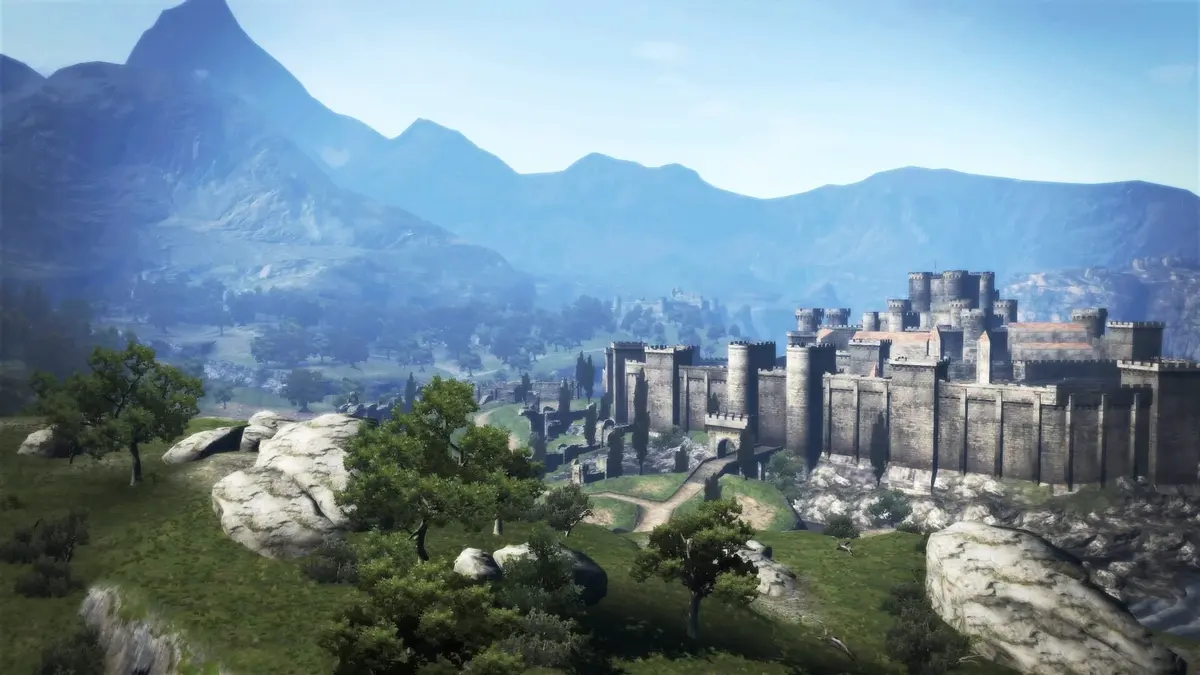
Norgan has more portcrystals than Vermund and Bathall combined, yet its blizzards can still freeze the player and scramble the minimap. I welcome the easier backtracking, but I also value the uncertainty that convenient teleportation chips away at. That tension runs through an expansion whose best improvements come with complications of their own.
Dragon’s Dogma 2: Dark Arisen is the first major expansion for Dragon’s Dogma 2, launching October 9, 2026, on PlayStation 5, Xbox Series X|S, Nintendo Switch 2, and PC. The base game released in 2024, and incremental patches have already addressed many of its major issues. That leaves this expansion with a different job from the original Dark Arisen: its appeal rests more heavily on the quality of its additions than on repairing the adventure around them.
Table of Contents (4)
Norgan makes detours matter
Norgan’s strongest argument is its terrain. North of Vermund, the frozen region is smaller than many base-game areas but more concentrated in points of interest, vertical routes, and hidden locations. I prefer that density: a smaller landscape earns its scale when looking above or below the obvious path offers a meaningful reason to leave it.
Climbing hooks work at specific poles scattered through Norgan, helping bridge elevation differences. Caves and dungeons loop back on themselves, with doors and exits forming shortcuts between zones. Those connections give exploration a satisfying structure. A route can become useful beyond the discovery at its end, and understanding how the landscape fits together becomes part of the reward.
The easier travel is a sensible companion to that layout. Repeated returns need less commitment, leaving more room to investigate another ridge or concealed route. Still, I miss some of the pressure that comes from committing to a hazardous crossing. Norgan is more practical to revisit, but practicality takes a little weight out of the journey.
The cold gives combat a sharper identity
Winterized gear and temporary frost-resistance consumables counter Norgan’s cold-weather hazards. Bring those protections when setting out into its blizzards; the environment can compromise a journey before a monster becomes the immediate problem. Preparation matters here for a reason specific to the region, which helps the snow feel consequential rather than decorative.
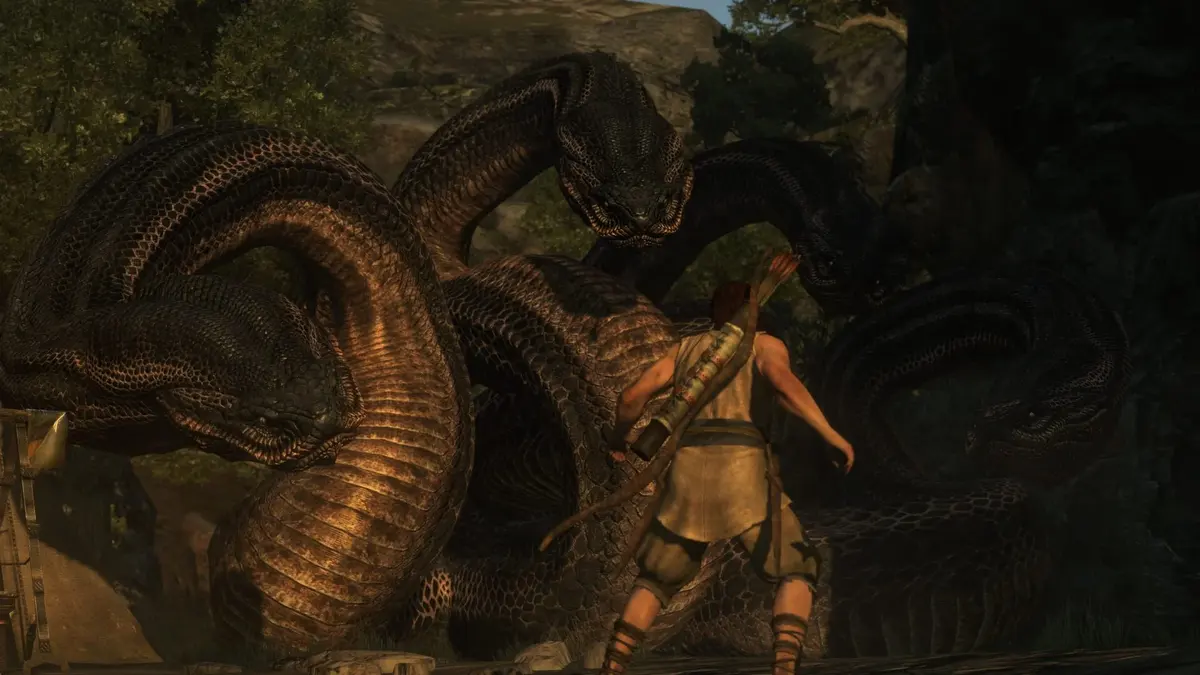
Giant yetis with mouths stretching along their bodies give Norgan a suitably grotesque threat, while the Fimbul ice dragon supplies a signature encounter. These creatures are a stronger incentive to return than simply having more ground to cover. The expansion needs encounters that justify the expedition, and its new monsters are among its clearest successes.
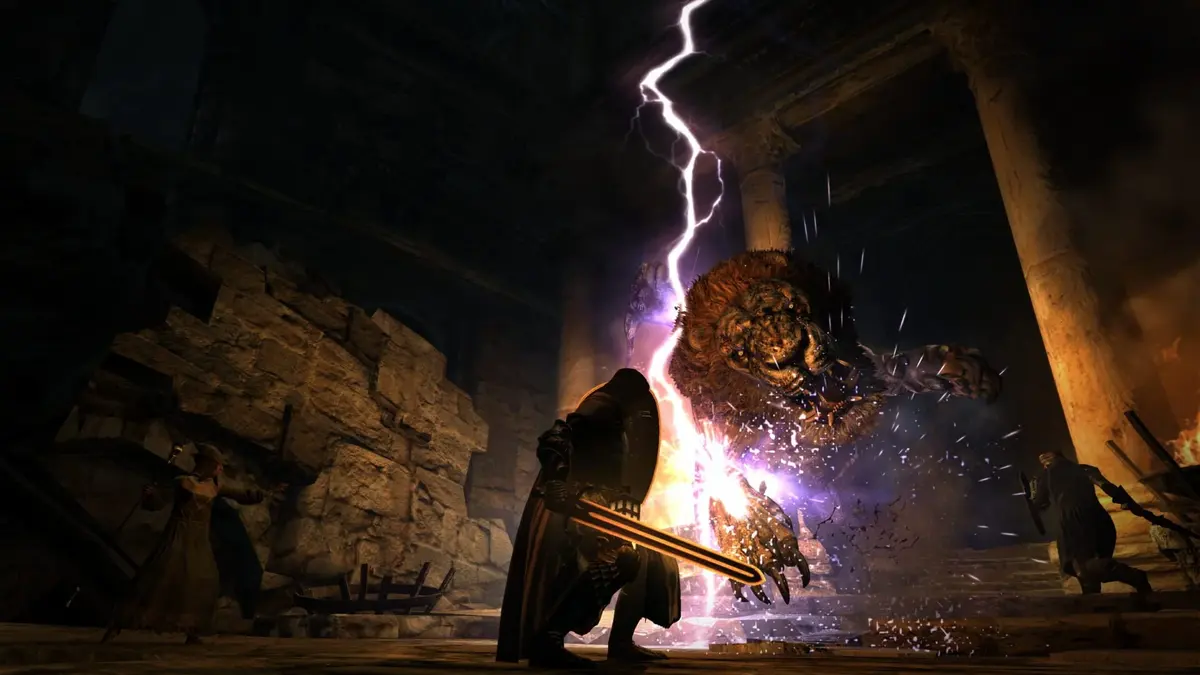
New vocation skills are discovered at obelisks across Norgan’s ridges and tundra. Trickster’s incense clone can now possess enemies and turn them against their kin. I particularly value that kind of addition: it offers a tactical possibility to consider, while tying new abilities to exploration gives a detour a reward beyond another piece of equipment.
Appraisal puts a toll on discovery
Relics come from defeated monsters and discoveries across Norgan, then go to the Norgandian Settlement for appraisal. That appraisal reveals their offensive and defensive potential and can produce powerful equipment. There is a compelling anticipation to an unidentified reward, but it also delays the moment when a find becomes useful to a build.
Appraisal consumes RC, or Rift Crystals. That cost is where my enthusiasm falters. A reward system built around discovery loses some of its appeal when evaluating the reward becomes another resource decision. The prospect of strong gear gives optional exploration purpose; the expense makes experimentation harder to embrace freely.
I’d begin by appraising only a few promising finds, rather than committing RC to every discovery. That keeps the initial investment focused while you establish what the system offers your character. It is also a telling recommendation to have to make: the loot chase is more inviting than the process of assessing everything it produces.
The recommended starting point is around level 40, although Norgan is accessible earlier and does not require an endgame save. Its difficulty ramps upward, making an early arrival more demanding of equipment and consumables. I would use that level guidance as the starting point instead of rushing in simply because access is available. Flexible entry is welcome, but access and readiness are different things.
Twenty hours, with uneven momentum
The roughly 20-hour main quest follows an alliance with Eir and an investigation into the undying Fallen Dragon. That premise gives the expedition a narrative reason to exist, with a mystery suited to Norgan’s abandoned, hostile atmosphere. The story has enough identity to support the new region without relying entirely on the attraction of its monsters.
Filler quests dilute the campaign, and I find that weakness more frustrating here because the region itself is so concentrated. The landscape encourages purposeful curiosity; the weaker quest material does less to justify the time it asks for. A denser map cannot make every assignment equally compelling.
Beyond Norgan, twelve repeatable Lost Rites dungeons are distributed across Vermund and Bathall. The broader, 25-plus-hour content estimate includes those additional excursions. Their value depends on what you want from the expansion: more combat and dungeon exploration strengthen the package for a wandering-focused player, while a story-focused player has less reason to treat the larger total as a selling point.
FinalBoss // Gear
Level up your setup
01Top-rated gaming headsetson Amazon→02High-refresh gaming monitorson Amazon→03Gaming chairson Amazon→04Discounted game keyson Kinguin→Affiliate links · As an Amazon Associate, FinalBoss earns from qualifying purchases.
Want to Level Up Your Gaming?
Get access to exclusive strategies, hidden tips, and pro-level insights that we don't share publicly.
Ultimate Reviews Strategy Guide + Weekly Pro Tips