
Dread Delusion’s weapon system makes the most sense when you stop treating it like a simple loot ladder. The game starts you around familiar low-tier gear, then gradually opens a more interesting progression through clockwork upgrades and void-tier endgame weapons. That matters because a lot of bad advice starts by jumping straight to the strongest item on paper. In practice, the best weapon path is usually a sequence: use efficient early tools, move into transformable clockwork gear when the world opens up, and only then commit to void weapons once you can support them.
If you want the short version before the deeper breakdown, the current community consensus is fairly stable: Throwing Knife is one of the best early-value picks, Clockwork weapons are the smartest midgame investment because they can cover multiple combat roles, and Void Greatsword plus Void Bow are the standout late-game choices. The part that usually trips players up is not which weapon is strongest at the end. It is knowing when to switch, and which upgrades are worth chasing first.
Table of Contents (7)
The weapon path that makes the most sense
Rather than ranking every weapon in isolation, it is more useful to think about Dread Delusion’s arsenal in stages. The public community wiki still organizes weapons into familiar categories like daggers, swords, greatswords, and bows, with rusty and steel tiers showing up as your foundational equipment. That basic structure is important because it confirms that many “weak” weapons are not traps. They are stepping stones.
- Early game: prioritize cheap, efficient, easy-to-use gear over raw damage bragging rights.
- Midgame: start aiming for clockwork weapons, especially if you want one item to do more than one job.
- Late game: upgrade into void weapons if you want the strongest community-backed endgame performance.
If you follow that logic, you avoid one of the most common mistakes in this game’s gearing: overcommitting to a basic weapon because it feels “safe,” then delaying the jump into the systems that actually open your build up.
Best early weapons: efficiency matters more than prestige
Early Dread Delusion is less about finding a legendary weapon and more about staying flexible without draining your resources. That is why the Throwing Knife gets so much respect in community rankings. It is available early, does respectable damage for that point in the game, and works well because it does not ask much from your stamina or mana economy. If your build is still forming, that kind of reliability is worth more than a flashy but awkward option.
The practical use case is simple: weave Throwing Knives into fights where you do not want to fully commit to a melee swing or a spell cast. They are especially good when you are still learning enemy spacing, because they let you chip damage in safely and keep pressure on targets that would otherwise force you to back off. Even if you are planning a melee-heavy build later, an expendable ranged tool stays useful much longer than its basic label suggests.
The Poison Shuriken fills a different early-to-midgame role. It is not the answer if you want the biggest immediate hit. Its value is damage over time. In longer fights, especially against tougher enemies that do not fall over quickly, poison keeps working while you reposition, defend, or switch back to another weapon. If you are carrying a healthy stock, it becomes a strong attrition tool rather than a burst option. That makes it more specialized than Throwing Knife, but very effective when used for the right encounters.
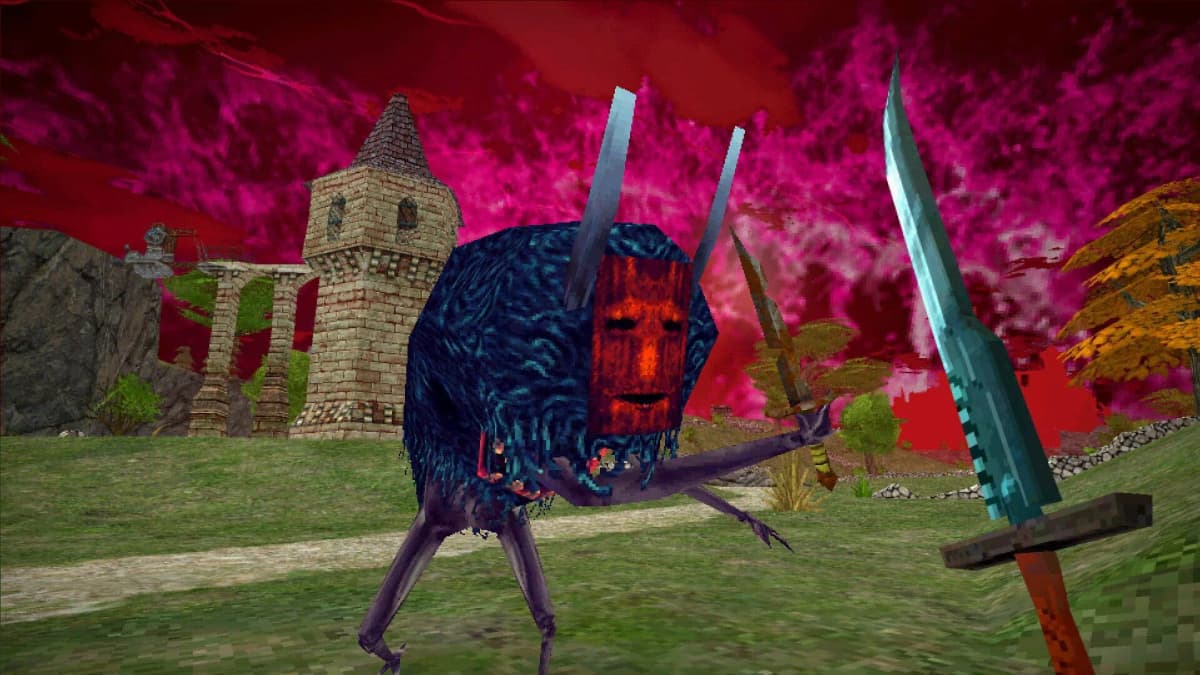
For ranged-first players, the Rusty Bow deserves more credit than its name suggests. Community guides consistently treat it as an early acquisition that can later be upgraded into something much more dangerous. That is the main lesson with Dread Delusion’s lower-tier bows: do not dismiss them just because they start in a weak-looking state. If you prefer controlling fights at range, the bow path is viable early precisely because it leads somewhere.
Midgame is where Clockwork weapons become the real decision point
The most interesting part of Dread Delusion’s arsenal is the clockwork tier. This is the point where weapons stop being simple damage sticks and start becoming build-shaping tools. Community analysis repeatedly highlights Clockwork Dagger and Clockwork Greatsword because their transformations give them unusual value beyond their base role.
The Clockwork Dagger stands out because it can be upgraded into a pistol. That matters even if you do not think of yourself as a dagger player. A weapon line that starts in close range and later gives you a ranged option is extremely efficient for hybrid characters. You are not just improving damage. You are compressing roles. If you like having a backup plan for enemies that punish point-blank aggression, this is one of the smartest routes in the game.
The Clockwork Greatsword works on the same principle from the opposite direction: it can become a cannon. For a player who already prefers heavier melee weapons, that is a major upgrade path because it keeps your core identity intact while still adding ranged coverage. This is why clockwork gear is often more valuable than a small raw-damage upgrade on a conventional weapon. It buys flexibility, and flexibility is a form of power in Dread Delusion.
Acquisition is where you need to be careful about overconfident advice. One widely cited guide places the required Clockwork Ore in the southern and southeastern parts of the Clockwork Kingdom, after a specific questline and a key from Oleg. That is useful as a broad direction, but it is not the same thing as a universal map pin. Other community resources rely on photo-based location catalogs for the full release, which suggests that exact routes can feel version-specific or progression-dependent. In other words, if you go looking too early and find nothing, that does not automatically mean the guide is wrong. You may simply be missing the quest state or access requirement.
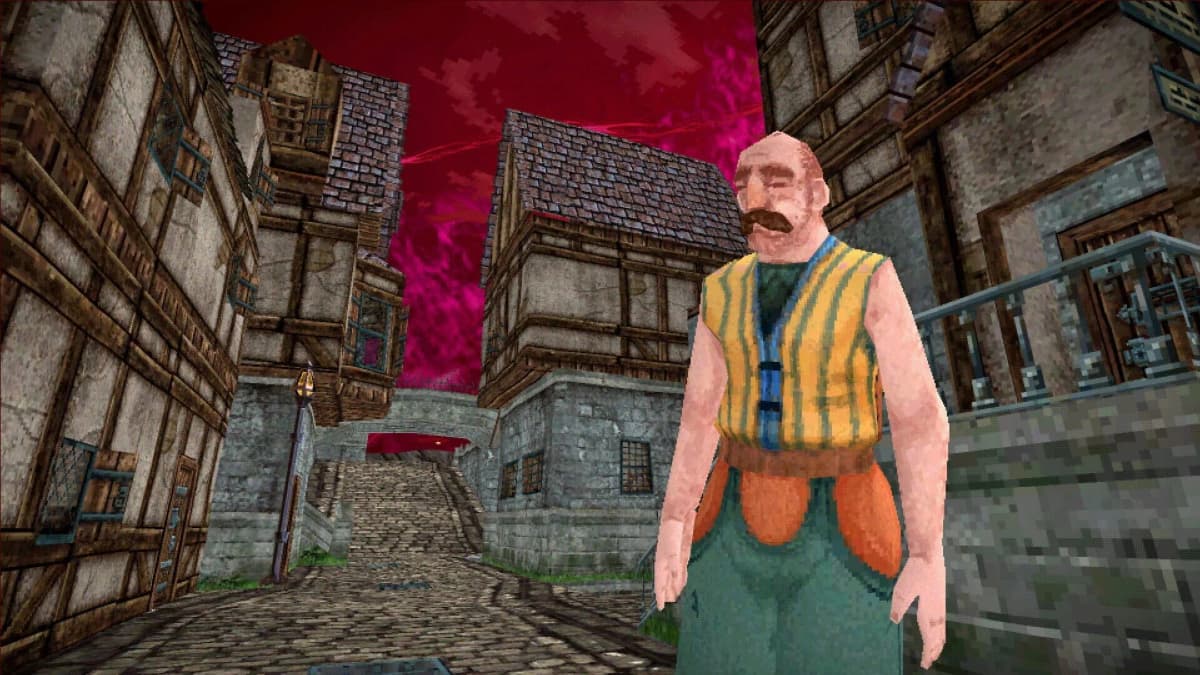
A good rule here is to treat clockwork upgrades as a midgame project, not an early scavenger hunt. Once you have access to the relevant region and quest progression, they become one of the highest-value investments in the game. Before that, chasing them blindly can waste a lot of time.
Late-game standouts: Void Greatsword and Void Bow
When players talk about best-in-slot weapons in Dread Delusion, two names keep rising to the top: Void Greatsword and Void Bow. Current community rankings commonly place them first and second among late-game choices. The appeal is straightforward. The Void Greatsword is treated as the top close-range option, while the Void Bow is widely praised as the premier ranged weapon. One cited ranking specifically lists the Void Bow at 45 base damage, which helps explain why it stands out so clearly in endgame discussions.
The real choice between them is not which one is “better” in the abstract. It is whether your build and habits reward committed melee pressure or safe ranged damage. The Void Greatsword is for players who are comfortable staying engaged and making close-range damage matter. The Void Bow is for players who want high-end ranged performance without settling for a mere utility weapon.
This is also why the earlier Rusty Bow conversation matters. Bow players are not choosing a dead-end starter and hoping it somehow survives the full game. They are following a legitimate progression path that culminates in one of the strongest endgame weapons currently recognized by the community.
How to choose the right weapon for your build
If you are still unsure what to prioritize, the easiest way to decide is by asking what problem your weapon needs to solve right now.
- You need a safe early all-rounder: use Throwing Knife.
- You want attrition damage in tougher fights: stock Poison Shuriken.
- You prefer ranged combat from the start: build through Rusty Bow and treat it as a stepping stone, not a final answer.
- You want one weapon path that expands your options: target clockwork gear, especially Dagger or Greatsword lines.
- You want the strongest late-game melee: aim for Void Greatsword.
- You want the strongest late-game ranged option: aim for Void Bow.
The important thing is not to compare a fully developed void weapon to a starter item and call the starter useless. Dread Delusion rewards smart transitions. A good early weapon earns its place by getting you to the next stage efficiently. A good midgame weapon earns its place by opening extra combat roles. A good endgame weapon earns its place by maximizing the build you have already shaped.
Where guides still disagree, and how to avoid wasting time
The biggest area of uncertainty is not weapon performance. It is exact acquisition routes. Some guides offer broad guidance for where top-tier ores appear. Others function more like visual location catalogs for the full release. That split tells you something useful: item hunting in Dread Delusion is not always best understood as a single fixed route that works for every player at every stage.
So if you are farming for Clockwork Ore or trying to set up a void-tier weapon path, use this checklist before assuming you missed a pickup:
- Make sure you have the required regional access and quest progression.
- Check whether the guide you are using refers to a broad region or a precise item location.
- Assume that full-release player maps may be more specific than older summary writeups.
- Do not plan your entire build around an ore route you cannot yet reach.
That last point is the one that saves the most frustration. The game’s best weapon path is resilient precisely because it does not depend on finding a single endgame piece immediately. You can function well on early expendables, improve into clockwork conversions, and only then lock in the void tier.
The practical takeaway
Dread Delusion rewards weapon progression more than weapon obsession. Use efficient early tools like Throwing Knife, respect Poison Shuriken for drawn-out fights, do not underrate the Rusty Bow as a ranged foundation, and treat clockwork weapons as the point where your build becomes truly flexible. When you are ready for endgame, the current standout choices remain Void Greatsword for close-range dominance and Void Bow for top-tier ranged damage.
If you are choosing what to chase first, prioritize the next useful tier over the final theoretical best weapon. That approach matches how Dread Delusion actually distributes power across its arsenal.
FinalBoss // Gear
Level up your setup
01Graphics cardson Amazon→02Gaming laptopson Amazon→03High-refresh gaming monitorson Amazon→04Discounted game keyson Kinguin→
Affiliate links · As an Amazon Associate, FinalBoss earns from qualifying purchases.
Want to Level Up Your Gaming?
Get access to exclusive strategies, hidden tips, and pro-level insights that we don't share publicly.
Ultimate Guide Strategy Guide + Weekly Pro Tips