
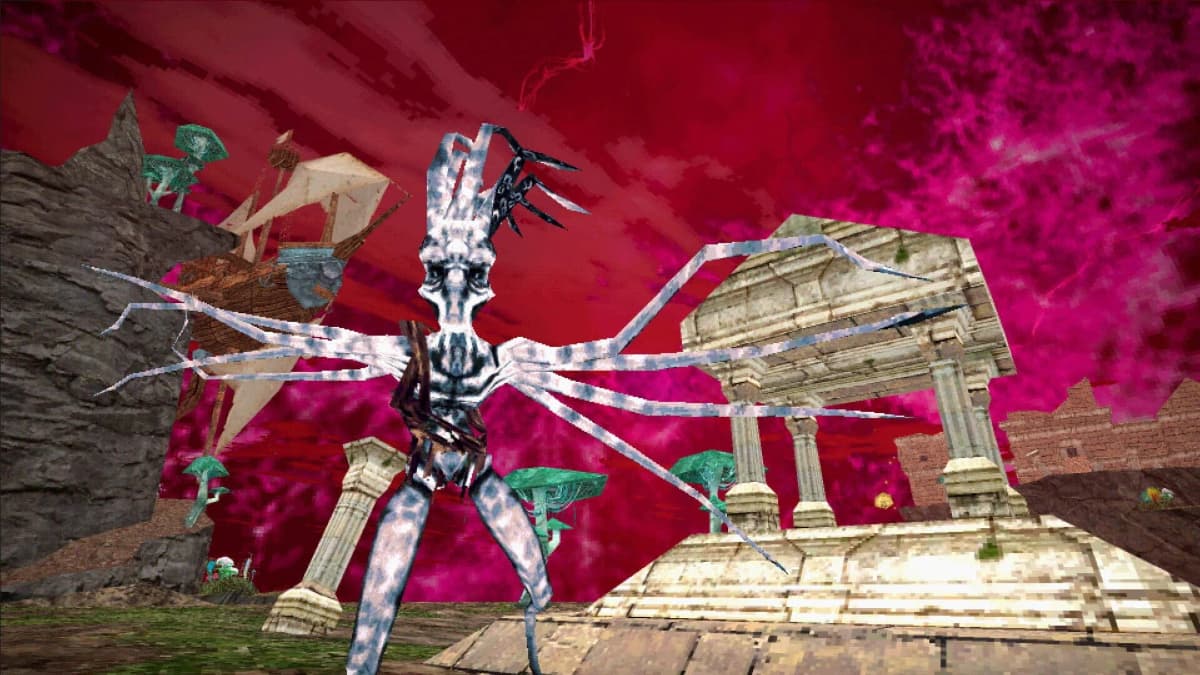
Dread Delusion gets away with combat that would sink a lesser RPG. That is the whole story in one sentence. Strip away the mood, the writing, the dream-sick sky islands, and the low-poly occult grime, and you are left with a first-person RPG whose fighting is routinely described as basic, loose, and far less interesting than the world around it. And yet the game still lands for a lot of people, because the part that matters most is not the swing of a weapon. It is the pull of the next strange settlement, the next uneasy faction, the next bit of forbidden lore.
This is not one of those fake diary-style reviews where I pretend to have a save file I do not have. The useful angle here is the post-launch critical picture, and that picture is unusually consistent. Across major RPG-focused reviews, completionist impressions, and the game’s own feature set, Dread Delusion comes into focus as a specific kind of recommendation: a weird-fantasy exploration RPG with real atmosphere and real ideas, attached to combat that often feels like an obligation rather than a thrill.
Table of Contents (8)
Key takeaways
- Best at: worldbuilding, lore, exploration, questing, and mood.
- Biggest problem: combat is the most common complaint, and not by a small margin.
- Best audience: players who loved older, rougher RPGs for discovery and role-playing freedom more than mechanical polish.
- Final score: 8/10, with the giant asterisk that combat-first players may land much lower.
Dread Delusion’s biggest strength is that its world feels genuinely alien
Dread Delusion is a first-person open-world RPG from Lovely Hellplace and DreadXP, but “open world” needs a little translation. This is not a giant seamless field in the modern blockbuster sense. The Oneiric Isles are built as connected floating regions, an archipelago more than a continent, and that structure seems to help the game more than it hurts it. Reviews repeatedly describe the world as compact enough to stay legible but wide enough to reward curiosity. That matters, because a game like this lives or dies on whether getting lost feels exciting or exhausting.
The premise is a strong hook by itself. You are a prisoner working for the Apostatic Union, sent to stop the mercenary captain Vela Callose before her actions wake something catastrophic. That setup gives the game room to mingle political intrigue with cosmic horror, and critics clearly responded to that mix. The praise is not vague, either. The setting is the thing people keep coming back to: weird architecture hanging over voids, isolated communities with their own logic, occult power systems, and a sense that the world was built from dreams that curdled on the way down.
The retro presentation is a big part of why this clicks. Dread Delusion uses intentionally crude late-1990s-style visuals, and by all accounts it is not hiding behind nostalgia. It is using that texture. There is a difference. Some games borrow old graphics because they are cheaper or because “retro” is an easy vibe. Dread Delusion seems to use them the way horror uses darkness: to leave edges unfinished, to let the imagination do part of the work, to make a skyline or a face feel slightly wrong. That is where the comparisons to Morrowind and King’s Field make sense. Not because it copies them beat for beat, but because it understands how strange spaces can do more for an RPG than clean realism ever could.
That is also why the game’s strongest reviews sound a little protective of it. They are not praising polish. They are praising identity. In a genre stuffed with oversized maps, checkbox quests, and combat systems that all blur together after a month, Dread Delusion apparently knows exactly what flavor it wants to be. That alone gives it an edge.
Exploration and questing carry the whole experience
The clearest sign that Dread Delusion understands itself is how often reviewers say the best part is simply moving through the world. Not fighting in it. Not optimizing a build spreadsheet. Just traveling, poking at corners, reading, talking, and following the logic of a place. That is not a small distinction. Plenty of RPGs claim exploration matters, then fill the map with dead space and recycled errands. Dread Delusion seems to win people over because discovery has texture. A new area is not just another biome with different lighting; it tends to mean a new social tension, a new grotesque bit of lore, or a different kind of problem to solve.
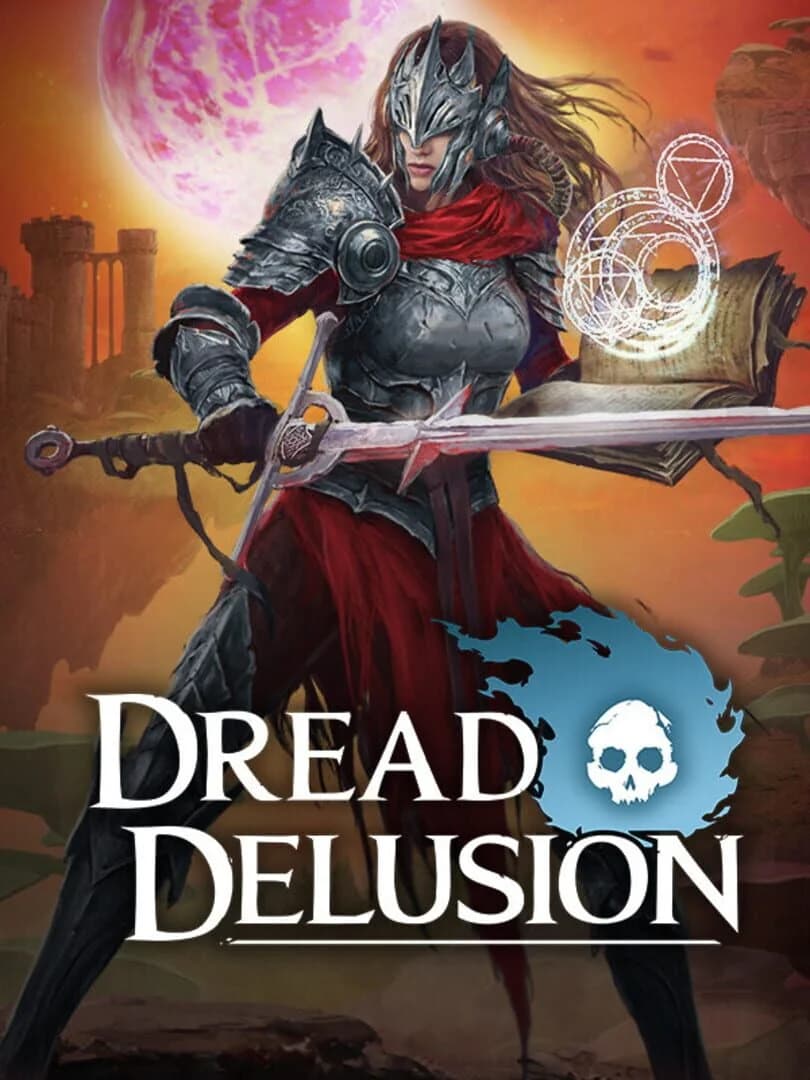
The game’s role-playing systems are also smarter than the phrase “light RPG” might suggest. They are simple, yes, but not empty. Different stats change what you can do in practical ways. Guile affects movement and lockpicking. Wisdom ties into mana, traps, and magical interactions. Persona opens up better social outcomes and negotiations. The Steam description leans on the idea that there is always an alternative to combat, and the reviews broadly back that up. You can charm, unlock, persuade, or bypass your way through situations instead of reducing every obstacle to a health bar.
That does two important things. First, it gives the game a proper role-playing identity even without deep buildcraft. Second, it saves the experience from its own weakest system. If combat were mandatory and constant, Dread Delusion would probably fall apart. Because the game lets you approach problems from angles other than “hit it until it stops moving,” the world and the writing get to stay in the foreground, where they belong.
There is another quiet advantage here: scope. Several reviews point out that Dread Delusion is manageable. One full playthrough estimate placed it around the high-30-hour mark, which is close to ideal for a game built on novelty and atmosphere. This is not a 120-hour lifestyle RPG. Good. It should not be. A world this peculiar works best before familiarity flattens it out. Dread Delusion sounds like it knows when to stop, and that restraint is part of the recommendation.
The combat problem is real, and pretending otherwise would be dishonest
Here is the blunt part: if you need combat to be the main reason you stay in an RPG, Dread Delusion is probably not your game. This is the area where review consensus hardens into something close to a warning label. “Painfully basic.” “Sluggish.” “Neither fun nor rewarding.” Those are not minor caveats hidden in otherwise glowing praise. They are repeated points of friction from critics who still liked the game overall.
The broader issue is not only that the fighting lacks elegance. It is that the game often lets you avoid enemies without much consequence, which softens the sense of danger in a world that looks like it should be deeply hostile. That creates a tonal mismatch. The art and lore whisper dread. The actual challenge sometimes shrugs. If the world is built like a fever dream on the brink of collapse, then encounters that feel perfunctory can puncture the spell.
There is also a cost to the game’s streamlined systems. Light character building can be a strength when it keeps role-playing flexible, but it means there is less mechanical depth to compensate when the action itself is not satisfying. You are not dealing with combat that starts simple and blossoms into a tactical toybox. You are dealing with combat that, by most accounts, remains the weakest part from beginning to end.
The fair defense is that Dread Delusion does not seem interested in being an action-RPG showcase. That is true. It is also not a free pass. Players can forgive thin combat when everything around it is extraordinary, but forgiveness is still not the same thing as praise. The game survives this weakness. It does not transform it into a secret virtue.
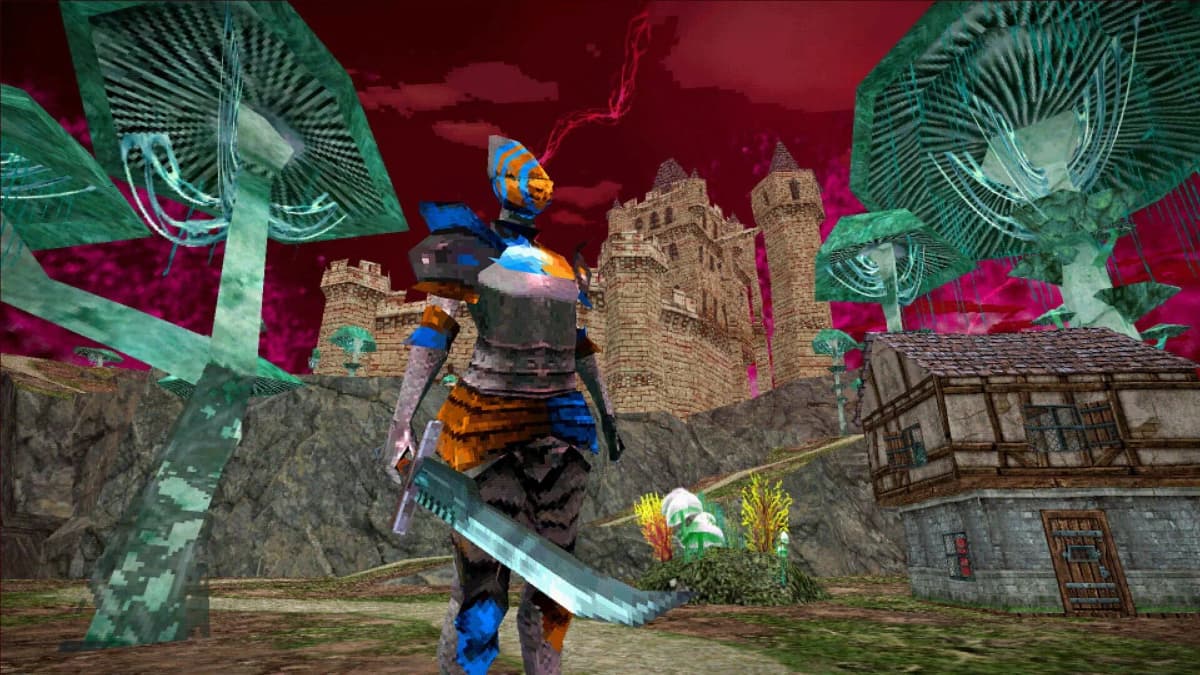
Its rough edges are part of the package, for better and worse
Dread Delusion also carried technical baggage around launch. Reports mentioned bugs ranging from missing geometry to lifts that could block progress, plus practical annoyances like unusable items and cloud-save issues. None of that is unusual for a small, ambitious RPG, but “not unusual” is not the same as acceptable. The more a game asks players to sink into atmosphere, the more damaging jank can be when it breaks the illusion.
The good news is that reviews also noted quick patching, and later background reporting has suggested the game’s roughest performance problems have improved over time. The cautious takeaway is simple: Dread Delusion’s technical story appears better now than at its messiest point, but this still does not sound like a pristine, frictionless production. Buyers should treat polish as adequate-to-improving, not bulletproof.
Who this is for, and who should probably walk away
Dread Delusion sounds almost custom-built for a certain strain of RPG fan: the player who can forgive clunky mechanics if a game gives them a place worth obsessing over. The kind of player who reads books on shelves, tests dialogue options, wanders off the obvious path, and remembers a town because of its atmosphere rather than its loot table. For that crowd, the game’s strengths are not secondary pleasures. They are the main course.
- This suits you if: you want exploration-first RPGs, strange fantasy, meaningful quest choices, lore-heavy writing, and a manageable runtime.
- This does not suit you if: you prioritize tight combat, deep build optimization, hard difficulty, or high-end polish over mood and discovery.
The smartest way to approach Dread Delusion is not as a combat sandbox, but as a narrative exploration RPG where stats and choices shape your route through a bizarre world. Set expectations that way and the game makes a lot more sense. Expect a mechanically rich action experience and the cracks become impossible to ignore.
TL;DR
- Play it for: atmosphere, lore, quest design, weird-fantasy worldbuilding, and the thrill of discovery.
- Be warned about: basic combat, soft challenge, light systems, and lingering rough edges.
- Closest fit: players who miss older first-person RPGs that cared more about mood and role-playing freedom than slick mechanics.
- Not for: anyone looking for combat depth to carry 30-plus hours.
Bottom line
Dread Delusion looks like a niche throwback on the surface, but the better description is harsher and more flattering at the same time. It is a genuinely memorable RPG trapped inside a merely serviceable mechanical shell. The world, the writing, the structure of exploration, and the commitment to weirdness are strong enough to make that trade feel worthwhile. Not universally worthwhile. Not effortlessly worthwhile. But worthwhile.
FinalBoss verdict: 8/10. This is an easy recommendation for players who treat exploration and worldbuilding as the soul of an RPG. It is a cautious recommendation for everyone else. Dread Delusion’s lasting tension is also the most interesting thing about it: when a game builds a world this evocative, the line between forgivable clumsiness and a fatal flaw gets a lot harder to draw.
FinalBoss // Gear
Level up your setup
01Graphics cardson Amazon→02Gaming laptopson Amazon→03High-refresh gaming monitorson Amazon→04Discounted game keyson Kinguin→
Affiliate links · As an Amazon Associate, FinalBoss earns from qualifying purchases.
Want to Level Up Your Gaming?
Get access to exclusive strategies, hidden tips, and pro-level insights that we don't share publicly.
Ultimate Reviews Strategy Guide + Weekly Pro Tips