
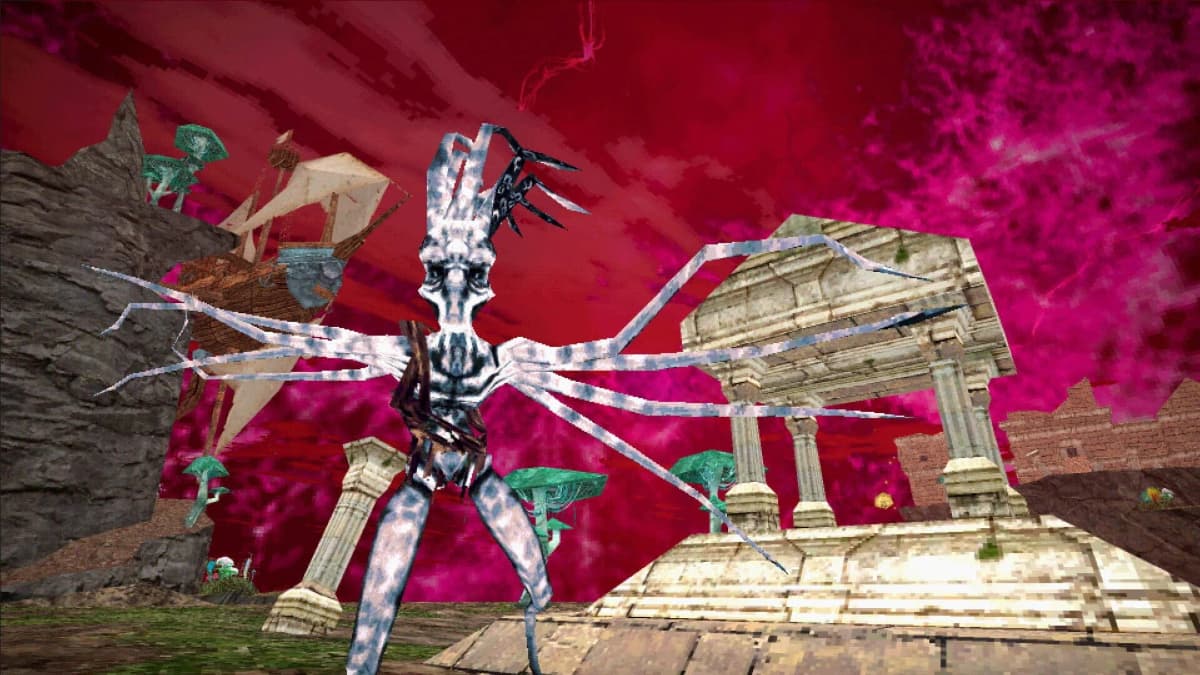
If you are searching for the Dread Delusion “character roster,” the important thing to know is that the game does not give you a party of recruitable classes or heroes to unlock. Your playable character is built through an opening questionnaire, and the meaningful roster is the set of starting background answers you can choose from. Every verified option is available immediately in New Game → the three opening backstory questions, and the strongest starts usually lean into utility, dialogue, and magic rather than raw melee power.
Table of Contents (8)
What character creation actually changes in Dread Delusion
Dread Delusion is background-driven, not appearance-driven. Instead of choosing a rigid class, you answer three backstory questions for your prisoner, and those answers push your build toward specific attributes and skills. That matters because this game is built around alternative solutions. Locked doors, traversal shortcuts, dialogue checks, magic interactions, and shop efficiency are all meaningful parts of progression, so your opening bonuses affect much more than combat.
The four core attributes are Might, Guile, Wisdom, and Persona. Each one governs two practical skills:
- Might: Attack and Defence
- Guile: Lockpick and Agility
- Wisdom: Lore and Spellcast
- Persona: Charm and Barter
One detail the game does not spell out especially well is that some starting options boost a core attribute directly, while others boost one of the linked skills. In practice, both matter. A bonus to Agility or Spellcast is still shaping the same build path as Guile or Wisdom.
The full verified roster of starting character options
All of the options below are obtained the same way: select them during character creation. There is no quest, unlock condition, or hidden requirement for any of them. Based on the public documentation available for this guide, these are the named starting options that can be verified safely without inventing extra entries.
Prisoner background options
Huntsman gives +20 Might. This is the cleanest physical-combat opener. If you want a simpler first hour where basic fights feel less punishing, Huntsman does that. Meta-wise, it is solid but not the strongest overall, because Dread Delusion rewards problem-solving outside of combat just as often as it rewards damage output.
Lockpicker gives +20 Guile. This is one of the best all-purpose starts because Guile feeds the utility side of the game: opening locks, moving through spaces more effectively, and getting more out of exploration. If your goal is to reach hidden loot, alternate routes, and quest solutions earlier, this is a top-tier pick.
Mole gives +20 Wisdom. This is the best core-stat choice if you already know you want magic or lore-heavy interactions. Wisdom is not only for direct spell damage; it also supports the more esoteric side of the world, which makes Mole a strong pick for players who want a stranger, more system-heavy run instead of a straightforward fighter.

Assassin gives +20 Persona. This is the option that catches a lot of players off guard, because the name sounds like a stealth or backstab choice, but the bonus is actually social. Persona helps with charm-style solutions and better trade outcomes, which makes Assassin one of the strongest meta picks in the entire creator. If you value flexibility, this is hard to beat.
Documented skill-focused background options
Traumatised gives +20 Defence. This is the safest support pick for a melee or beginner-friendly build. It does not unlock new routes the way Guile, Wisdom, or Persona can, but it gives you more room for mistakes. If you are still learning enemy patterns or simply want a sturdier character, it has real value.
Deserter gives +20 Agility. Agility is stronger than it looks in a game built around floating spaces, awkward jumps, and environmental discovery. A movement-focused bonus helps with traversal, repositioning, and reaching routes that feel clumsy with a slower start. For an explorer build, Deserter is one of the best picks available.
Fatal Miscast gives +20 Spellcast. If you want a dedicated mage start, this is the premium skill pick. It directly reinforces the spell side of your build and pairs extremely well with Mole. Compared with a generic “magic is good” recommendation, this is the option that actually commits your opening stats to it.
Arms Dealer gives +20 Barter. This is the quiet efficiency option. Barter does not feel explosive on minute one, but over a longer run it improves your economy, makes upgrades less painful, and helps every other build function more smoothly. If you like practical, low-maintenance value instead of a flashy combat spike, Arms Dealer is better than it first appears.
About the third opening question
Public descriptions of Dread Delusion’s creator consistently say you answer three backstory questions, but the source material available for this guide only exposes eight named options clearly enough to verify them one by one. Rather than pad the article with guesses from incomplete community snippets, it is safer to treat the eight entries above as the full verified roster currently documented in the available sources. The practical takeaway is unchanged: there are no unlockable starting characters, and your early power comes from how you combine your opening bonuses.
Which options matter most in the current meta
For most players, the best start is not the one with the highest damage. It is the one that opens the most solutions before you have collected many Delusions. Because Delusions can later raise your attributes, character creation matters most in the early and midgame, where access and efficiency are more valuable than brute force.
- Top meta stat: Persona – dialogue options and better shop outcomes stay useful for the whole run.
- Close second: Guile – locks, mobility, and exploration pay off constantly.
- Strong specialized pick: Wisdom – excellent if you want to commit to magic and lore-heavy play.
- Useful but less efficient: Might — reliable in combat, but it solves fewer non-combat problems.
That is why Assassin, Lockpicker, Deserter, and Fatal Miscast tend to matter most. They line up with what Dread Delusion is actually asking you to do: explore, bypass, persuade, and adapt.
Best starting combinations by playstyle
Best all-purpose first run: Assassin + Lockpicker + Deserter. This gives you social leverage, lock utility, and movement. It is the most forgiving setup for seeing more of the world without overcommitting to one niche.
Best mage start: Mole + Fatal Miscast + Assassin. Wisdom and Spellcast give you the strongest magical foundation, while Persona keeps you useful in conversations and shops instead of becoming a one-note caster.
Best explorer setup: Lockpicker + Deserter + Arms Dealer. Guile and Agility make the world easier to navigate, and Barter keeps your resources healthy during a long exploratory run.
Best straightforward combat build: Huntsman + Traumatised + Arms Dealer. This is not the most flexible meta choice, but it is the easiest build to understand. You hit harder, take hits better, and get a little economic help to support your gear and supplies.
Common mistakes when picking your character
- Reading Assassin as a stealth pick only. Its value is social, not just thematic. If you skip it because the name sounds too narrow, you can miss one of the strongest bonuses in the creator.
- Stacking only combat stats. Dread Delusion is not built like a pure action RPG. A character that can talk, unlock, or cast usually gets more done with less friction.
- Ignoring Agility. In many RPGs, movement bonuses are luxury stats. Here, they help with actual routing, exploration, and how comfortably you move through the world.
- Assuming a weak start ruins the build. It does not. Delusions let you grow your attributes later, so your opening choice is a direction, not a permanent trap.
If you want the safest recommendation without overthinking it, start with a Persona or Guile-leaning option, then use early Delusions to patch whatever your build lacks. That approach fits Dread Delusion’s design better than chasing maximum damage from the first screen.
FinalBoss // Gear
Level up your setup
01Graphics cardson Amazon→02Gaming laptopson Amazon→03High-refresh gaming monitorson Amazon→04Discounted game keyson Kinguin→
Affiliate links · As an Amazon Associate, FinalBoss earns from qualifying purchases.
Want to Level Up Your Gaming?
Get access to exclusive strategies, hidden tips, and pro-level insights that we don't share publicly.
Ultimate Guide Strategy Guide + Weekly Pro Tips