
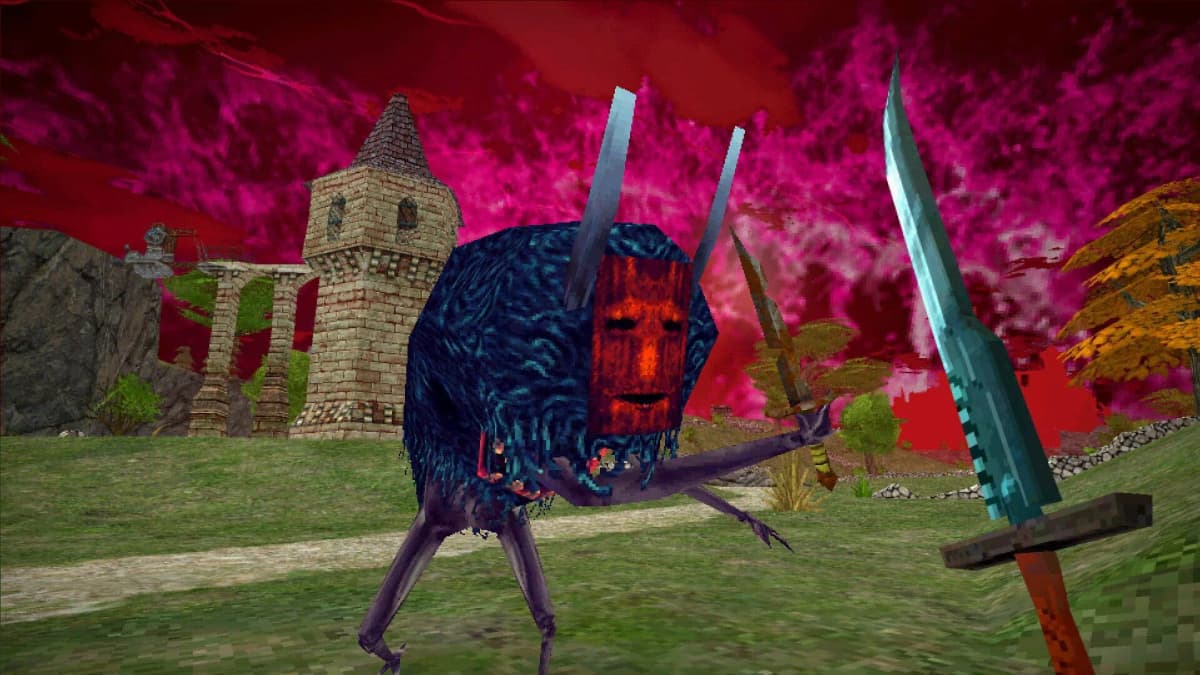
As Dread Delusion moved from early beginner coverage into fuller quest documentation and ending discussion, one thing became much easier to see: the game does not usually stop your run because of raw difficulty. It stops your run because it expects you to treat note-taking, sleep triggers, repeated NPC conversations, and regional side quests as part of the main progression. The cleanest route is to finish the starting island objectives, secure your early travel tools, clear the major regional quest chains in roughly the order the world opens, and only push into Cradle Assault once you have wrapped the choices you care about.
If you only need the short version, follow this order: opening island, the four starter tasks, early Haste pickup, Pwyll, Hallowshire, the Vera Callose associate trail, Endless Realm access, Clockwork Kingdom, then Cradle Assault. The most common mistakes are failing to record clues in your journal, not sleeping when a quest expects a night trigger, and assuming a side quest is optional when it is actually gating a main-story conversation later.
Table of Contents (9)
How Dread Delusion progression actually works
This is a nonlinear first-person RPG, but its structure is more organized than it first appears. Each major region has a local conflict, and those regional outcomes feed back into the wider story. The main questline around Vera Callose and her former associates is the spine of the game, but several important steps only open after you have talked through local quest webs or revisited characters after another milestone. That is why a good Dread Delusion walkthrough is less about a perfect straight line and more about understanding where the game hides its triggers.
Think of the playthrough as chapters. Each chapter has one job: unlock the next layer of travel or story while preventing future bottlenecks. If you do that, the finale makes much more sense, and you are far less likely to hit the late-game feeling that you “missed something important” several hours ago.
Chapter 1: Opening island and early survival
Your first goal is not to win fights or farm loot. It is to learn the game’s habits. Grab your first coin and obvious loot, but more importantly, start using the journal correctly. Early guide material points out a surprisingly easy mistake: when a note or clue appears, you may need to equip the book and record it rather than assuming the game logged everything automatically. If you ignore that system, later objectives can feel much more opaque than they really are.
- Loot the starter area thoroughly enough to avoid being resource-starved.
- Practice early combat without overcommitting to every fight.
- Record notes as soon as prompts appear.
- Treat every named NPC conversation as potentially important, even if it sounds like flavor text.
The early combat mistake is simple: players test everything like an action game and burn supplies for no payoff. The early progression mistake is worse: they miss note recording and then blame navigation. In this opening stretch, system awareness matters more than damage output.
Chapter 2: Complete the four island tasks and get the map
The starting island becomes much easier to read once you finish the four tasks tied to the early quest-giver and claim the island map. This is one of the clearest progression checkpoints in the early game. Do not leave the island half-finished, because the map is what turns wandering into route planning.
One especially useful detour in this stretch is the farmstead route. Available beginner guidance points to a nearby tower where you can kill the mage and loot the area for the Haste spell. That spell is an early quality-of-life upgrade more than a combat power spike, but it matters a lot in a game where travel friction is part of the challenge. If you skip it, the world can feel slower and more exhausting than intended.
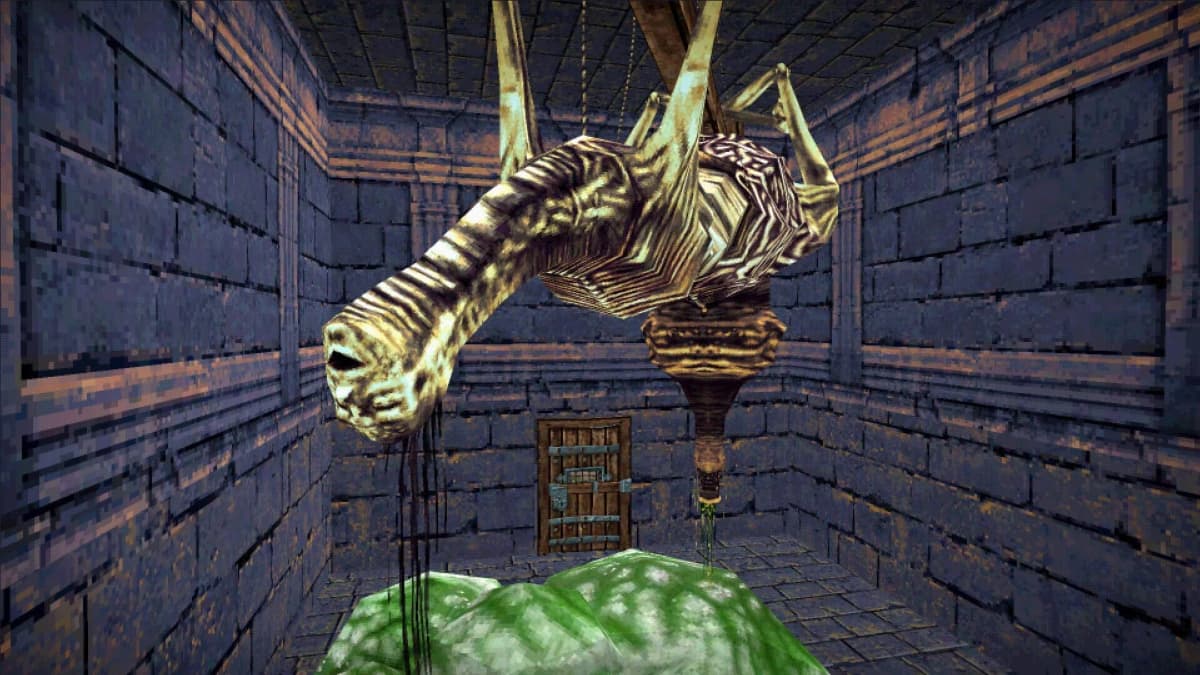
The usual stall here is simple: players finish most of the tasks, assume the island is “done enough,” and never return for the map reward. Finish all four, turn them in, then move on.
Chapter 3: Pwyll and the first real quest chain
Pwyll is where Dread Delusion starts showing its real quest logic. You are no longer dealing with a starter area that can be brute-forced. Instead, progression depends on speaking to the right people in sequence, following local instructions, and respecting time-based triggers. The region’s major quest line, often discussed under Secrets and Spores, is an early lesson in that design.
The practical route is to enter town, speak to the obvious lead NPCs, follow directions to the inn, and fully exhaust dialogue before leaving. If the quest tells you to sleep, do it immediately. This is not filler. Pwyll contains a night-based step where sleeping advances the sequence and helps reveal the path forward, including the hidden cave route tied to the masked cultist. A lot of players get stuck here because they keep searching in daylight for an event that only exists after the time change.
If Pwyll stalls out, do three things in order: talk again to every named town NPC, sleep at the inn, then retrace the village perimeter carefully. That fixes most progression dead ends in this chapter.
Chapter 4: Hallowshire and the midgame quest web
Hallowshire is where the game starts layering regional consequences more aggressively. By this point, the safest assumption is that any local quest web may influence later dialogue, access, or endings. So even if your instinct is to push the main objective marker, this is the stage where slowing down usually saves time later.
When you arrive, speak to every named NPC before leaving town. Then come back after each major story beat. This matters because Dread Delusion frequently updates quests in stages rather than dumping every requirement at once. A conversation that felt nonessential on arrival can become the exact trigger for the next meaningful branch after another objective is completed elsewhere.
This is also the phase where the broader Vera Callose hunt starts feeling like the true center of the story. You are not just doing side content for atmosphere; you are effectively assembling the information and alliances needed to keep the main quest moving.
Chapter 5: Endless Realm access and hidden progression checks
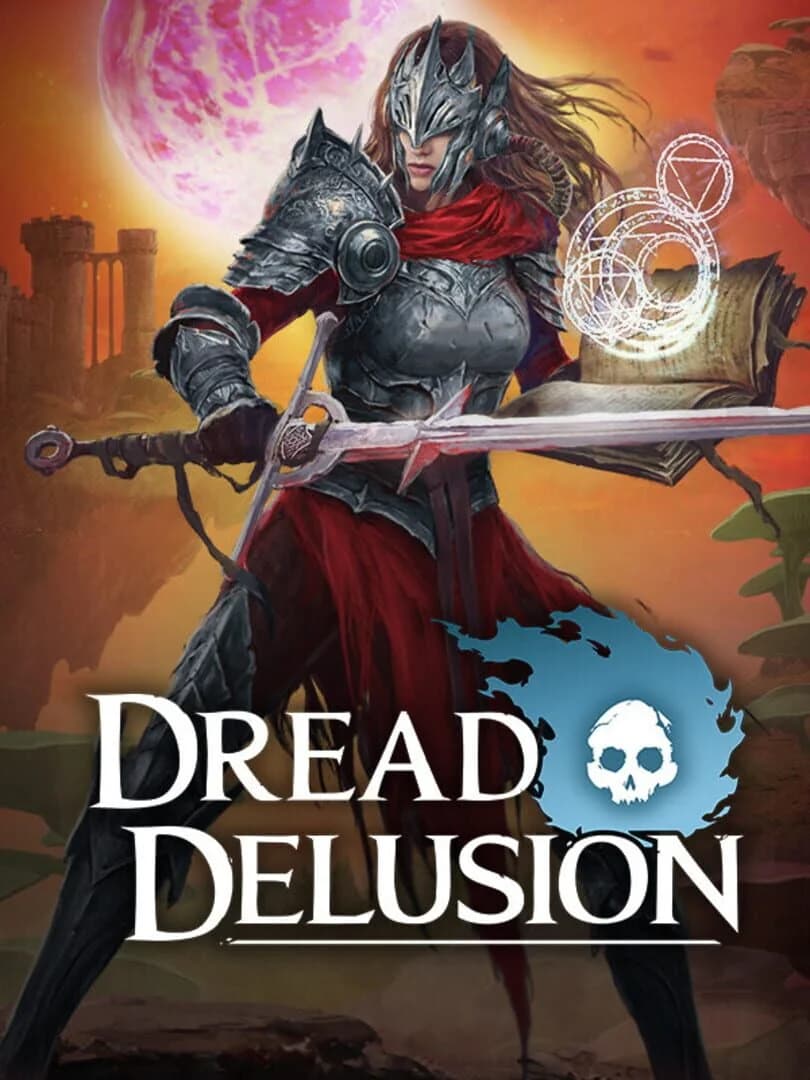
The Endless Realm is one of the later progression gates that can confuse players because reaching it may depend on either the intended quest route or a pass, depending on where you are in the playthrough. The important part is that knowing the place exists is not enough; you need the actual access condition satisfied.
Once you arrive, do not sprint past the first town. Available guidance notes a machine near that early settlement that should be activated. This is exactly the kind of object Dread Delusion hides in plain sight: visible, easy to ignore, and annoying to backtrack for once you realize it mattered. If you are trying to play efficiently, interact with obvious machines, devices, and local infrastructure the moment the game puts them in front of you.
Chapter 6: Clockwork Kingdom and the late-game branching choices
The Clockwork Kingdom is the region where “talk to everyone twice” becomes “talk to the same person five times if needed.” Quest breakdowns and community guidance both point to repeated dialogue chains here involving a whistleblower-style NPC, key items such as punchcards or translation help, and a final meaningful fork around the Clockwork King. The broad choice set reported by players is whether you fix, sabotage, or betray the King, and that appears to have real consequences for the ending state.
This region is also where identity and cloning revelations become part of the stakes. The safe advice is not to rush the final decision. If your version of the save system allows separate slots, this is one of the smartest places to keep one. Even if you are aiming for a single clean run, the Clockwork Kingdom is too consequential to handle casually.
Chapter 7: Cradle Assault and how the endings actually work
The ending sequence is triggered after the main quest Cradle Assault. What matters most is that Dread Delusion does not appear to use one simple final yes-or-no choice. Community reporting and ending discussion describe multiple epilogue-style outcomes or slides shaped by major decisions across the run. In other words, the finale reflects your accumulated regional resolutions more than a single last-minute answer.
One widely reported route is the “merge with the angel” outcome, which some players describe as the most broadly benevolent version, with the world-state improving for almost everyone. That makes it the closest thing to a commonly cited “best” ending, but it should still be treated as part of a larger choice web rather than a guaranteed universal result. The Clockwork King decisions also appear to feed into those final consequences, which is why doing the regional content properly before Cradle Assault matters so much.
Where players most often get stuck
- Journal use: record clues when prompted instead of assuming the game auto-logs everything.
- Sleep triggers: if a region feels stalled, try sleeping before you start searching for a missing event.
- Dialogue exhaustion: many quests require full conversation chains, not one quick interaction.
- NPC revisits: return after major milestones, especially in Hallowshire and the Clockwork Kingdom.
- Access checks: the Endless Realm may require a pass or quest completion before it truly opens.
- Machine interactions: activate obvious devices when you find them to avoid needless backtracking.
FinalBoss // Gear
Level up your setup
01Graphics cardson Amazon→02Gaming laptopson Amazon→03High-refresh gaming monitorson Amazon→04Discounted game keyson Kinguin→
Affiliate links · As an Amazon Associate, FinalBoss earns from qualifying purchases.
Want to Level Up Your Gaming?
Get access to exclusive strategies, hidden tips, and pro-level insights that we don't share publicly.
Ultimate Guide Strategy Guide + Weekly Pro Tips