
In Dread Delusion, spells are not unlocked from a class tree or learned from a trainer. You get them by finding spell items in the world, most commonly in treasure chests, with some tied to quests or other events. The practical early route is simple: activate the first crystal point to receive Return Home, search the tutorial island thoroughly for the early damage spell hidden in the old man’s house, and keep an eye out for Haste as an early mobility pickup from island progression. If you want those spells to feel good instead of clumsy, build around Wisdom, because Wisdom feeds your mana and supports Spellcast, the skill that governs spell potency, duration, and casting speed.
Table of Contents (9)
How spells work in Dread Delusion
The first thing to understand is that magic in Dread Delusion is exploration-driven. The game’s documented pattern is that spells are discovered as items placed out in the world. Most are found in chests, while others are attached to quest rewards or specific world events. That changes how you should approach a “mage” playthrough.
Instead of asking which level unlocks your next spell, ask which route, dungeon, island, house, or side objective you have not checked yet. Magic is part of the reward structure for exploration. That also means a lot of players miss early spells simply by assuming they will arrive automatically through leveling.
This matters because spell performance is only half the story in Dread Delusion. The other half is access. A very strong spell does nothing for your build if you never opened the chest that contains it, and a character with decent Wisdom can get a lot of value out of a small spell collection because utility spells stay relevant well beyond the opening hours.
Your first reliable spells and where to get them
Return Home: the first spell most players should lock in immediately
The earliest reliable spell is Return Home. It is granted when you interact with the first crystal point at the Inquisition base camp during the assault on the Blinding Light. This is the cleanest starting point for any spell guide because it does not depend on obscure routing or hidden loot. If you have reached that first crystal point, you can get it.
Return Home is a utility spell, but do not treat that as “optional.” It is one of the most practical spells in the game because it ties directly into crystal-point travel and can save time whenever you have pushed too far into a dangerous area. Community guidance also highlights a second use: if you react quickly enough, it can save you from a fatal fall. That alone makes it more than a convenience tool. It is navigation, recovery, and route correction in one slot.
The tutorial-island damage spell: easy to miss, worth getting
If you are looking for an early offensive spell, the strongest consistent guidance points back to the tutorial island. Community directions place the early damage spell in the house with the old man, in a chest upstairs. That location matters because many players leave the opening area assuming the first real combat spell will come later. In practice, the game already gives you a chance to pick one up if you search that starting space properly.
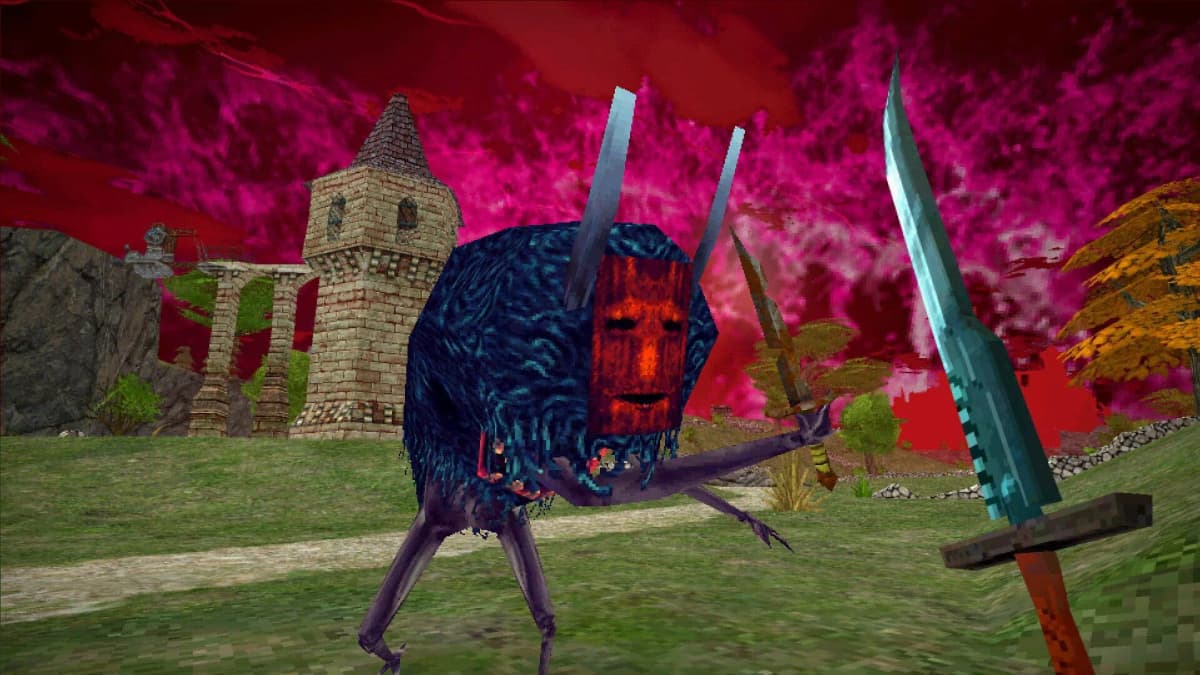
The exact lesson here is bigger than one pickup. Dread Delusion hides useful magic in places that look like ordinary exploration detours. An upstairs chest in a small house is exactly the sort of thing players skip when they are still learning movement and quest flow. If your build feels starved for ranged magical pressure early on, make sure you did not simply walk past the first available answer.
Haste: early mobility that keeps paying off
Haste shows up repeatedly in beginner guidance as a key early utility spell. Current community descriptions tie it to an island task chain, after which you can loot it for free. Even without a full official spell compendium laying out every step in one place, the role of Haste is clear: it makes travel easier, and in a game built around scattered loot, hidden paths, and distant objectives, that is powerful.
Mobility spells in exploration-heavy RPGs are easy to underrate because they do not produce flashy damage numbers. In Dread Delusion, better movement means faster chest checks, safer retreats, less downtime between objectives, and cleaner access to hidden routes. That makes Haste one of the spells that improves your overall run rather than only improving one fight.
Why Wisdom matters more than simply owning spells
If you want to use magic seriously, your build needs to support it. The key stat is Wisdom. Current guidance ties Wisdom to maximum mana and identifies it as the governing stat for both Lore and Spellcast. Spellcast is especially important because it affects spell potency, duration, and casting speed.
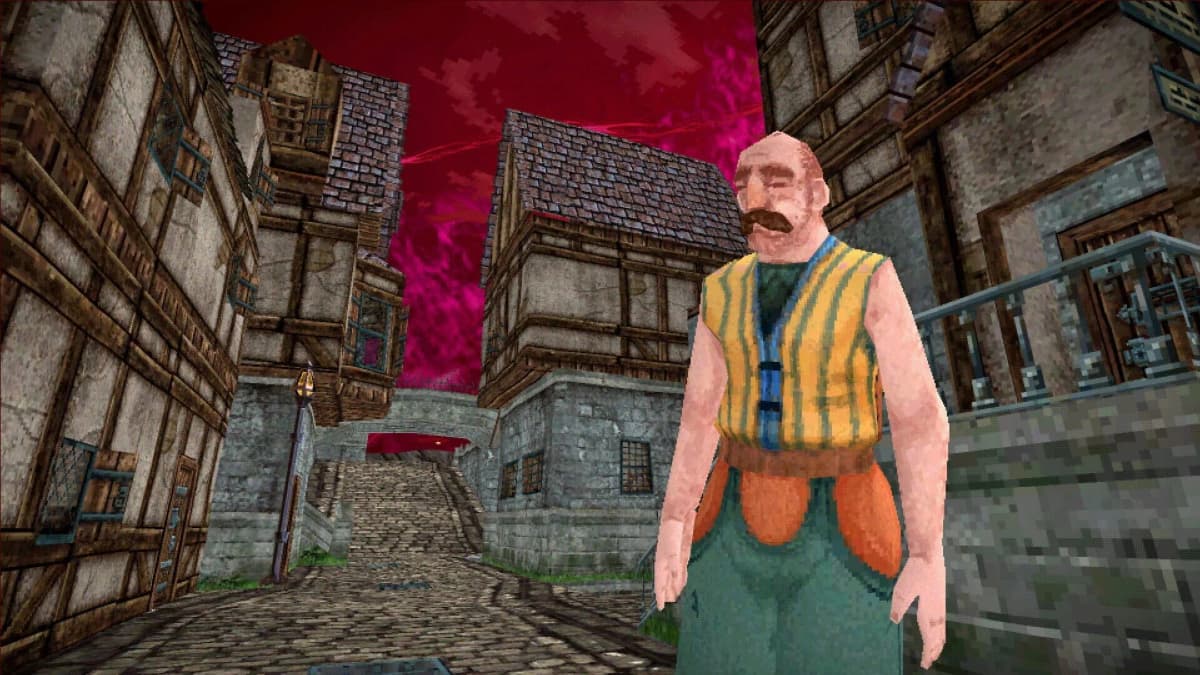
The practical result is that finding a spell does not automatically make your character a good spellcaster. A low-Wisdom character can still collect utility magic, but a player trying to make spells central to combat or movement will get better results by investing into the stat package that actually powers them. That is why a “spellcaster build” in Dread Delusion is mostly defined by Wisdom investment, not by a special spell school choice you make at character creation.
This also explains why some players think magic feels weak when they first dabble in it. If your mana pool is thin and your Spellcast support is poor, even good spell finds can feel slow or underwhelming. The spell itself may not be the problem. Your stat line may be. On a hybrid build, that does not mean you need to abandon melee or other tools, but it does mean you should be realistic: utility casting asks less from your stats than a full magic-focused approach.
What spells currently do best
Because public information is much stronger on spell locations than on a complete ranked spell list, the safest way to evaluate magic in Dread Delusion is by role rather than by pretending there is a settled meta for every spell. Right now, the best-documented roles are utility, traversal, and early combat access.
- Utility: Return Home stands out because it solves navigation problems, cuts travel time through crystal points, and can act as an emergency escape.
- Traversal: Haste improves how quickly you cover ground and reach out-of-the-way loot, which matters in a game where exploration is the main spell source.
- Combat: The tutorial-island damage spell is important less because of a confirmed endgame ranking and more because it gives you a magical damage option early, before your loadout naturally widens.
That balance tells you a lot about how the game treats magic. Spells are not only there to replace weapons in combat. They also smooth out the world itself by making movement, routing, recovery, and exploration more efficient. If you go into Dread Delusion expecting a pure spellbook arms race, the system may feel lighter than expected. If you treat spells as high-value world tools that also include combat options, the design makes much more sense.
The best way to hunt more spells
The clearest acquisition pattern is still treasure chests. If you want more spells, play like a scavenger instead of a speedrunner. Search side rooms, upper floors, isolated houses, cliffside paths, and optional islands. The strongest community material does not point to a single official checklist that covers every spell in every version, but it does agree on one consistent truth: spell hunting is tightly bound to exploration.
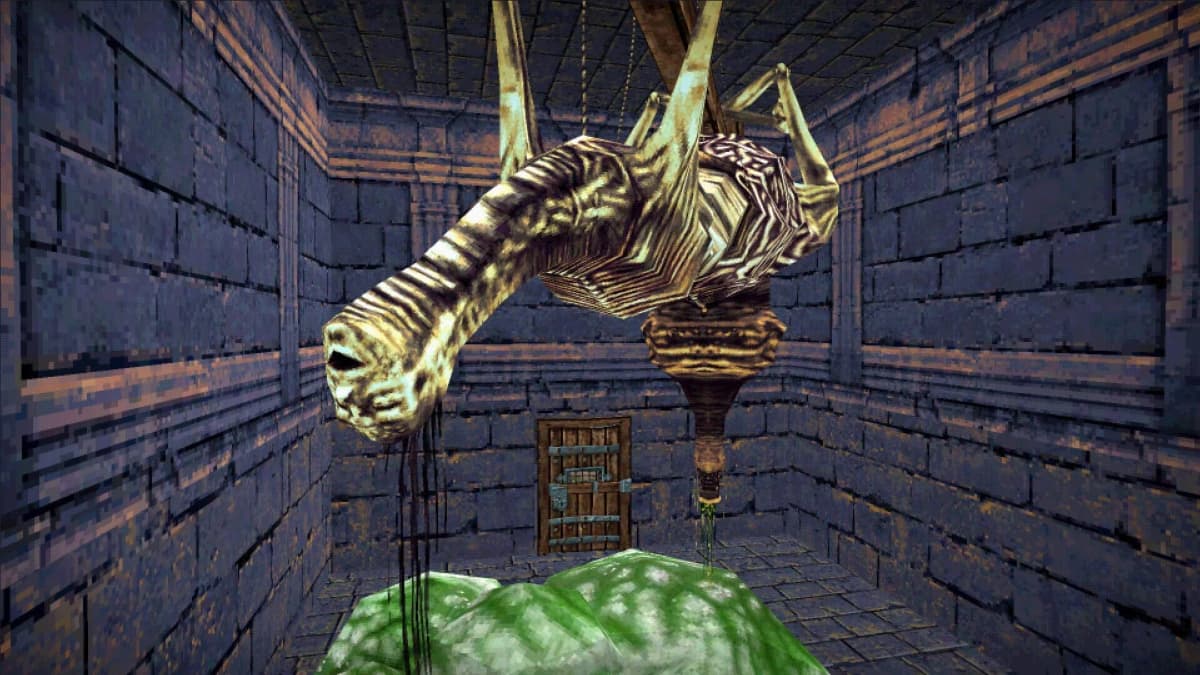
That becomes even more important later, because full-release community guides indicate that late-game item hunting continues to depend on hidden areas, traversal unlocks, and airship-accessible islands. In other words, the early lesson never really stops being true. Better access to the world means better access to magic.
A practical route looks like this: activate crystal points whenever you find them, use Return Home to reset efficiently, prioritize any task chain that awards movement help like Haste, and revisit suspicious areas once new traversal options open up. A chest you could see but not safely reach earlier may be a spell pickup later. The game’s structure rewards that kind of memory.
Common mistakes that slow down spell progression
- Waiting for a class unlock: spells are found in the world, so leveling without exploring will not fill out your magic toolkit by itself.
- Leaving the tutorial island too quickly: the early damage spell can be missed if you do not search the old man’s house and check the upstairs chest.
- Ignoring crystal points: delaying Return Home means delaying one of the most useful utility spells in the game.
- Judging magic without Wisdom investment: Spellcast performance depends on the stat support behind it, not only on the spell pickup itself.
- Trusting any “all spells” list as final: community coverage is helpful, but current sources are stronger on individual locations than on a universally verified master list.
That last point is worth taking seriously. There is some source-level uncertainty around full spell coverage, because broad overview pages and community item-location guides do not always function as exhaustive, version-perfect indexes. The safe approach is to use current guidance for starting points and acquisition patterns, then verify through exploration as you play.
If you want the cleanest magic start in Dread Delusion, get Return Home from the first crystal point, sweep the tutorial island for the upstairs chest in the old man’s house, treat Haste as a priority mobility pickup, and keep building Wisdom if you expect spells to carry real weight. That route matches how the game actually hands out magic: through discovery first, and through build support second.
FinalBoss // Gear
Level up your setup
01Graphics cardson Amazon→02Gaming laptopson Amazon→03High-refresh gaming monitorson Amazon→04Discounted game keyson Kinguin→
Affiliate links · As an Amazon Associate, FinalBoss earns from qualifying purchases.
Want to Level Up Your Gaming?
Get access to exclusive strategies, hidden tips, and pro-level insights that we don't share publicly.
Ultimate Guide Strategy Guide + Weekly Pro Tips