
Dreadmoor Makes Horror Fishing Personal — A First-Person Bet Worth Watching
Game intel
DREADMOOR
DREADMOOR is a Lovecraftian fishing adventure set in a post-nuclear apocalypse world. Sell your yield, upgrade your boat, build equipment and battle monsters l…
Horror Fishing Gets Teeth: Why Dreadmoor Popped on My Radar
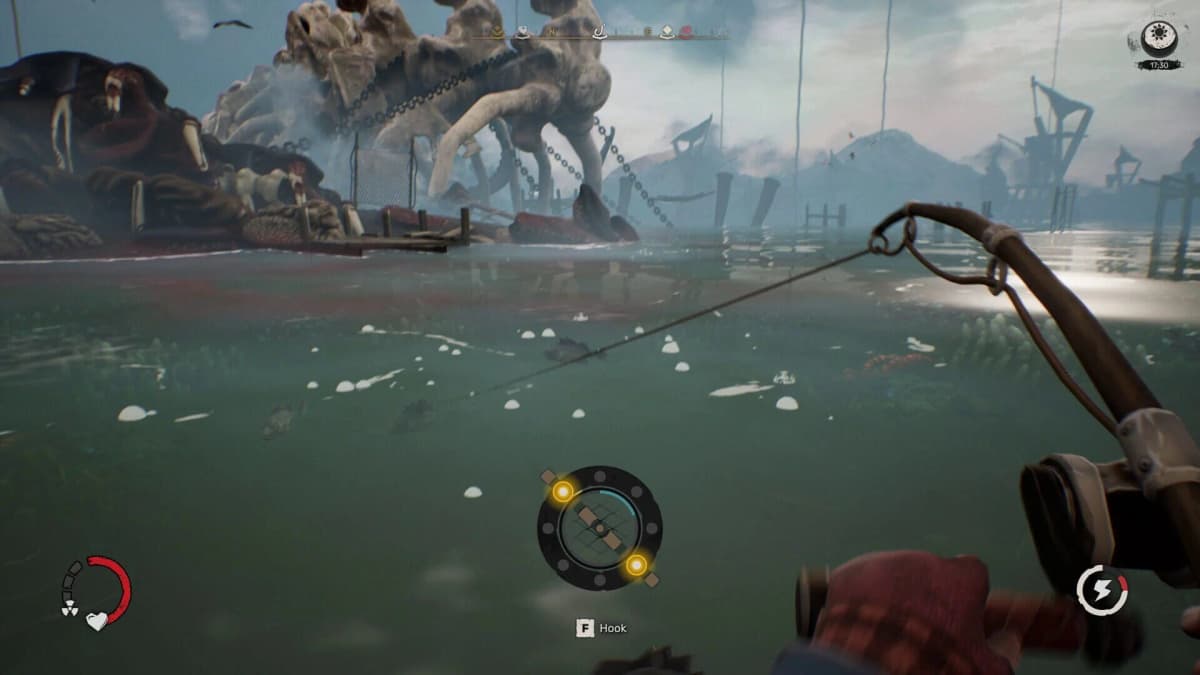
Dreadmoor isn’t the first game to mash fishing and horror, but it might be the boldest swing yet. Dream Dock’s first-person take on a flooded, post-apocalyptic world immediately stands out in a field dominated by top-down or management-heavy entries. With Digital Vortex Entertainment now on board as publisher and a Q4 2026 target on PC, this isn’t a quick indie drop-it’s a long runway for a very specific vision. I’m into the pitch because moving horror fishing into the player’s eyes carries real mechanical and atmospheric consequences. If the studio sticks the landing, it could feel more like Metro at sea than just “Dredge, but darker.”
- First-person perspective could transform “fishing as tension” into “fishing as terror.”
- Crafting, combat, and boat upgrades mean this isn’t a minimalist mood piece-it’s a systems game.
- Over 40,000 wishlists out of the gate show appetite, but 2026 is a long road-momentum will matter.
- PC (Steam) focus for now; no console plans announced yet.
Breaking Down the Announcement
Dream Dock, a Kyrgyz developer you probably haven’t had on your map, has teamed up with Digital Vortex Entertainment to publish Dreadmoor worldwide. The elevator pitch: a narrative-forward, first-person horror-fishing adventure set in a submerged wasteland, mixing cinematic storytelling with psychological horror, crafting, fishing, and combat. The team points to vibes adjacent to Dredge, Metro Exodus, and Resident Evil—not a small set of expectations to juggle.
The community signal is strong: 40,000+ wishlists shortly after reveal and a place among Steam’s most-wishlisted newcomers. That kind of heat is a double-edged harpoon. It buys time and attention, but it also raises the bar on delivery and communication cadence, especially with a window as far out as Q4 2026. Delays won’t surprise anyone, but they will test patience unless the studio keeps showing tangible progress.
What Actually Sets It Apart
Fishing is often a cozy side dish; here it’s the main course laced with dread. In third-person or top-down, horror fishing leans on ambiance and implication. First-person means you’re on the line—literally—when something massive tugs your rod at 2 a.m. in a fog bank. If Dream Dock integrates fishing into survival and exploration—fuel and food from catches, crafting parts from carcasses, bait attracting bigger threats—then every cast becomes a risk-reward decision instead of a checklist mini-game.
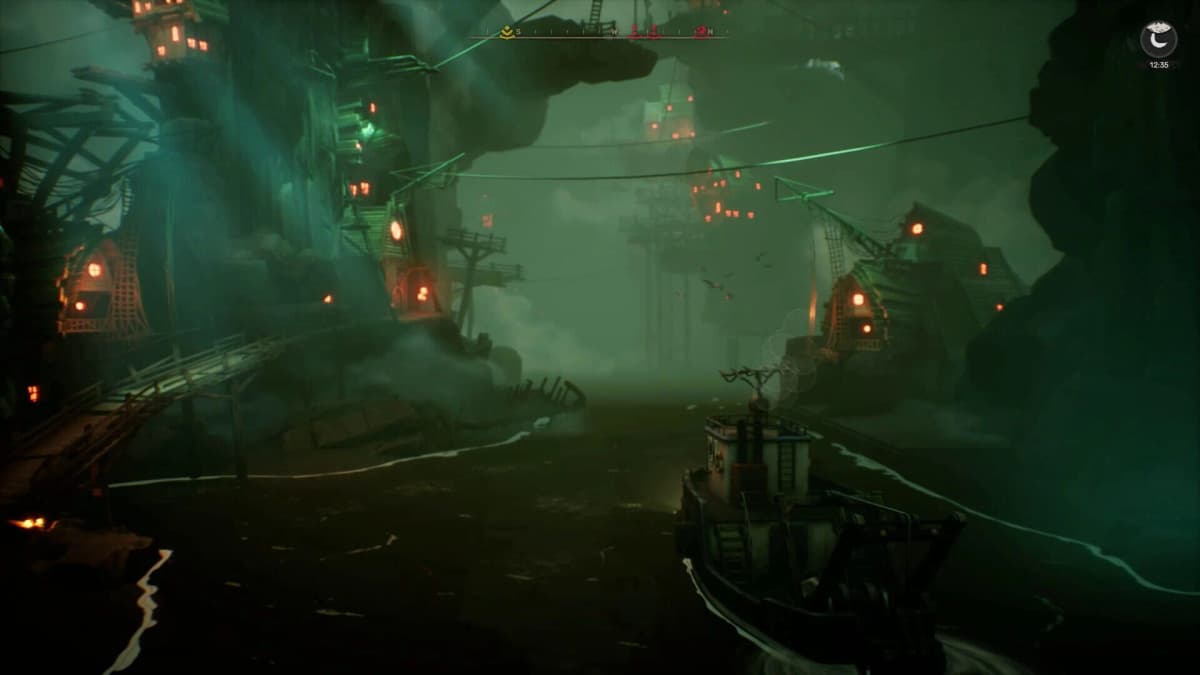
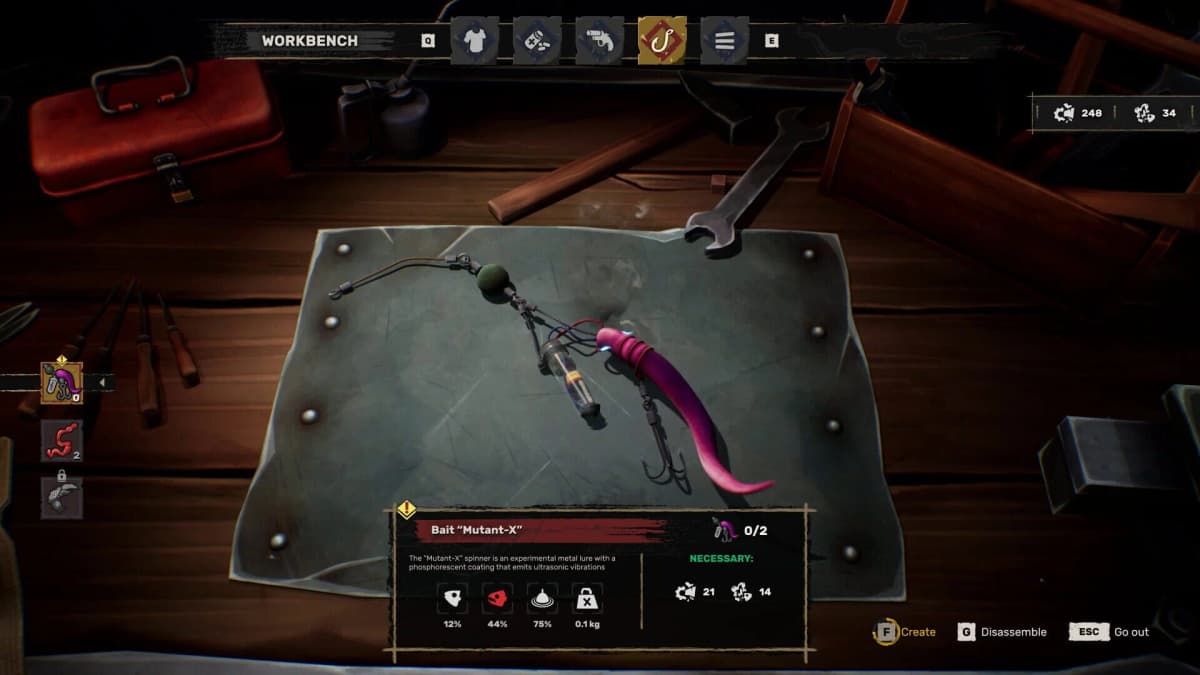
Boat upgrades suggest a progression arc that could echo immersive sims and survival sandboxes: reinforce the hull to weather storms, add sonar that pings… something you wish it hadn’t, rig floodlights that push back the dark but draw predators. Combat is in the mix, which raises an eyebrow; horror loses bite when you become a walking turret. The sweet spot is limited but meaningful tools—harpoons, flares, janky handcrafted weapons—forcing you to pick your battles and run more than you fight.
“Cinematic storytelling” is the marketing phrase I’m most wary of. It can be great—Metro’s mood and environmental storytelling are proof—or it can flatten agency into cutscene corridors. The hope here is a narrative that reacts to what you catch (and what you refuse to), where choices leave scars on your vessel, your supplies, and maybe your sanity. If the story merely points you at the next glowing objective, the premise loses its teeth.
The Risks Beneath the Surface
Horror-fishing mashups live or die on pacing and systems clarity. A few red flags to watch for:
- Shallow fishing: If it devolves into a quick-time mini-game, the tension evaporates. Depth requires weather, time-of-day, lure choice, line strength, and meaningful fish behavior.
- Crafting bloat: Survival crafting often becomes menu management. Keep it tactile and dangerous—craft at sea, mid-storm, not only at safe hubs.
- Combat creep: Too much firepower turns cosmic dread into pest control. Limited ammo, noisy tools, and enemies you can’t reliably kill maintain fear.
- “Lovecraftian” as wallpaper: The label is overused. Show unknowable things through consequence and implication, not just tentacle nouns.
On the flip side, Dream Dock’s regional perspective could be a genuine strength. Post-apocalyptic fiction from Central Asia and Eastern Europe tends to deliver a different texture—more rust than chrome, more folk myth than corporate lab leak. If Dreadmoor leans into that identity, it can sidestep the generic “wet Cthulhu” trap.
Want to Level Up Your Gaming?
Get access to exclusive strategies, hidden tips, and pro-level insights that we don't share publicly.
Ultimate Gaming Strategy Guide + Weekly Pro Tips
What Gamers Need to Know (and Watch For)
- Platform and timing: PC on Steam with a Q4 2026 target. No console plans yet—assume PC-first polish.
- Hands-on milestones: A playable demo or extended gameplay slice by late 2025 would be a good health check.
- Systems proof: Look for dev updates that show fishing complexity, boat upgrade trees, and how crafting ties into survival—not just mood trailers.
- Save and survival rules: Clear stakes matter. Is there permadeath? Item loss on capsizing? Sanity or stress systems? These define the game’s bite.
- Accessibility and options: FOV sliders, motion sickness settings (waves + first-person can be rough), input remapping, and difficulty assists will be critical.
If Dream Dock nails that dance between scarcity and discovery—eyeing the sonar while a storm turns your deck into a slip-n-slide—Dreadmoor could be one of those rare genre crossings that feels inevitable in hindsight. If it chases too many systems at once, it risks becoming a murky stew where nothing satisfies.
Looking Ahead
Early wishlist momentum shows there’s a craving for weirder, braver survival experiences. With Digital Vortex backing and a long dev window, Dreadmoor has the space to become more than “Dredge but 3D.” My ask as a player: keep the loop dangerous, keep the upgrades meaningful, and let the sea stay unknowable. Do that, and this flooded world might be worth getting lost in.
TL;DR
Dreadmoor aims to make fishing scary again by putting you on deck in first-person, with crafting, combat, and a drowned world to survive. It’s PC-only for now and targeting Q4 2026—watch for real gameplay systems (not just spooky trailers) to see if the hook sinks in.