
I’ll admit it: the phrase “shooting creates rather than destroys” instantly had my attention. As someone who’s hammered through countless shooters and action-adventures where bullets (or laser beams, or arrows) mean destruction, hearing that Q-Games-the indie icons behind the PixelJunk series-are reversing that concept for their new title, Dreams of Another, signals a rare promise: actual genre innovation, not just another coat of visual polish.
- Q-Games flips shooter mechanics, making creation central to gameplay.
- Directed by the ever-experimental Baiyon, expect a fusion of interactive art and music.
- PS5, Steam, and VR2 support promises accessibility plus unique immersion.
- Pre-order bundle with PixelJunk Eden 2 hints at a creative, interconnected vision.
Table of Contents (5)
Why This Caught My Attention
I’ve followed Q-Games since the early PixelJunk days. Whether it was the lush, rhythmic worlds of PixelJunk Eden or Dylan Cuthbert’s bold The Tomorrow Children, this Kyoto-based studio has always done things their own way. With Dreams of Another, that subversive design philosophy is at the front and center-and it’s not just a marketing blurb. Inverting the shooter formula (shoot to create, not destroy) is the most exciting mechanical twist I’ve heard about since Nintendo’s Splatoon swapped splat kills for paint coverage.
Shooting to Build: Can This Twist Deliver?
Game genres get a little stale when developers are scared to break convention. “Shooting creates, not destroys” is one of those ideas that makes me immediately think: okay, but will it feel good? Q-Games is betting big that players are ready for a philosophical shift (and honestly, with Baiyon at the helm, there’s cause for hope). His previous work on PixelJunk Eden steered away from typical goals towards more experimental, dreamy experiences—it’s easy to see how Dreams of Another builds off that DNA. Instead of mindless shoot-em-up action, here you’re sculpting the world itself, which sounds far closer to interactive art than the likes of Call of Duty or even Returnal.
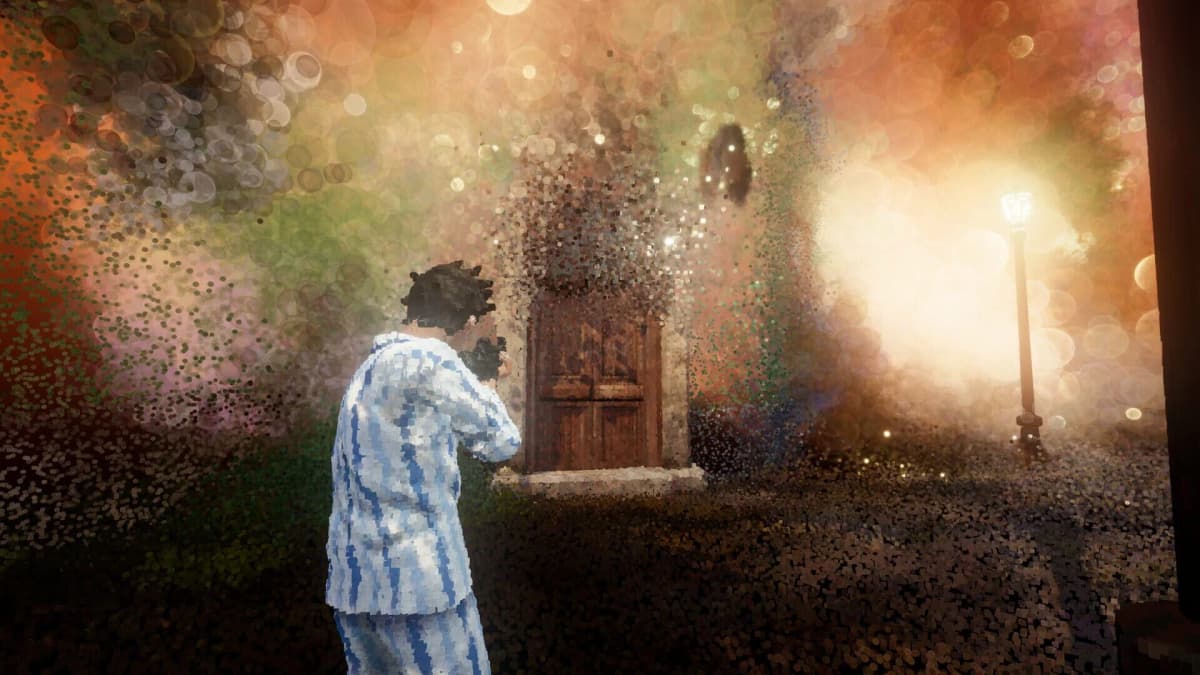
The philosophical tagline—“No Creation Without Destruction”—has a whiff of late-night college philosophy, and I’m a sucker for it. The risk? Gameplay could easily tip into the artsy and floaty, at the cost of tension. But Q-Games has a track record of threading this needle better than most. If the core mechanic lands, we’re looking at more than novelty: potentially a meaningful new spin on how action-adventure games feel to play.
The Baiyon Effect: Why It Matters
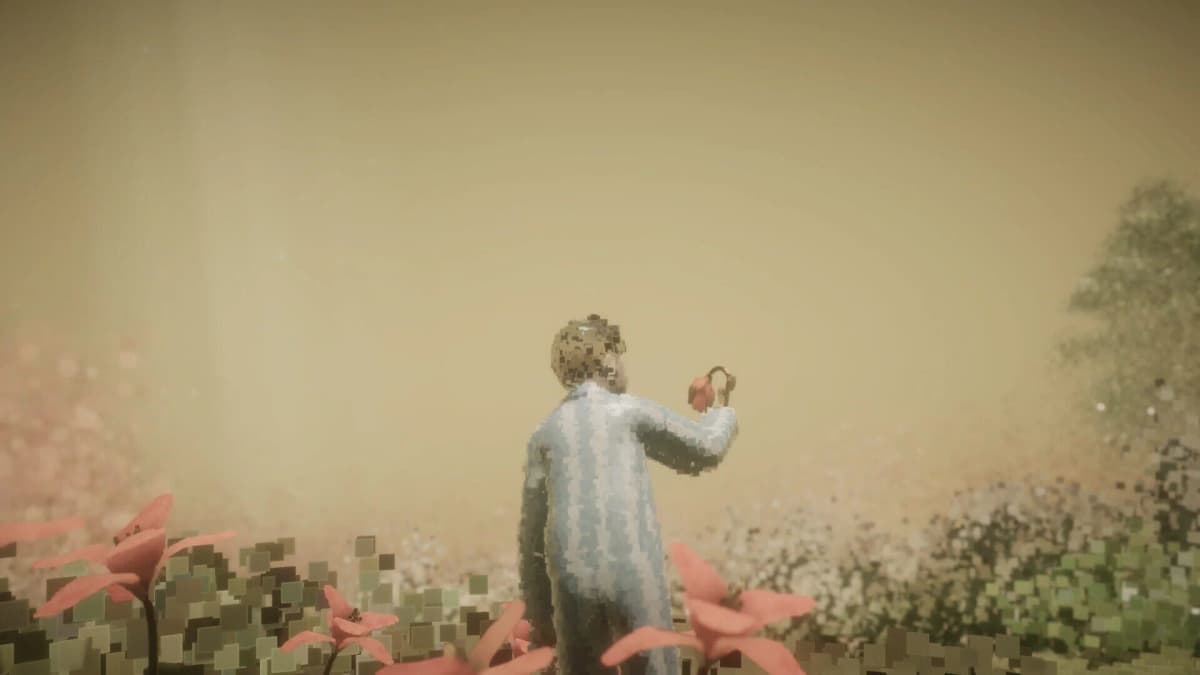
Baiyon isn’t just the director—he’s a multimedia artist, DJ, and the sonic mastermind behind the PixelJunk Eden games. That’s important because it hints at what Dreams of Another actually feels like. Expect the sort of synesthetic experience we saw in Eden: lush audio, point cloud visuals, and a tone closer to dreamy immersion than adrenaline-pumping grit. The experiments with point cloud rendering and a VR2 mode could push the experience into full-on playable art installation. Even if this doesn’t become your next obsession, it will almost certainly carve out a unique space in the indie landscape. If nothing else, it’s refreshing to see a studio lean into their artistic vision rather than chasing trends (looking at you, live-service clones).

Gamer Take: Genuine Innovation or Indie Overreach?
Whenever a studio talks “philosophical themes,” my gamer brain flickers between intrigue and skepticism. Will this be another beautiful but shallow indie curiosity, or does that core mechanic have real depth? The promise of AI-driven object personalities, poetic dialogue, and a “dreamlike world” is great if it doesn’t come at the expense of tight gameplay. The value-packed pre-order bundle with PixelJunk Eden 2 at least suggests Q-Games’ confidence—they’re not just recycling their hits, but tying together a bigger vision. VR2 support, meanwhile, could be a make-or-break feature: get point cloud interaction right and it’s a system-seller for PS VR2. Fumble it, and it’s just an expensive showpiece that’ll be forgotten after a week.
On the technical side, it’s wild to see a PEGI 3 rating and support for a dozen languages, pointing to an ambition far beyond cult-only status. And for $35 USD on PS5 and Steam, it’s an easier gamble than most triple-A releases. I’ll be watching the Future Game Show premiere (August 20th, 2025), and if Q-Games delivers even half of what they’re teasing—artistic creation, innovative mechanics, and tight production values—it could be the next indie darling everyone’s talking about.
TL;DR
Dreams of Another looks like the boldest Q-Games title since PixelJunk Eden. Swapping destruction for creation as the shooter’s core mechanic could bring a much-needed shakeup to the genre—if the execution matches the vision. Keep an eye on that Future Game Show date; this is one announcement where the substance might just live up to the style.
FinalBoss // Gear
Level up your setup
01Top-rated gaming headsetson Amazon→02High-refresh gaming monitorson Amazon→03Gaming chairson Amazon→04Discounted game keyson Kinguin→Affiliate links · As an Amazon Associate, FinalBoss earns from qualifying purchases.
Want to Level Up Your Gaming?
Get access to exclusive strategies, hidden tips, and pro-level insights that we don't share publicly.
Ultimate Gaming Strategy Guide + Weekly Pro Tips