
Game intel
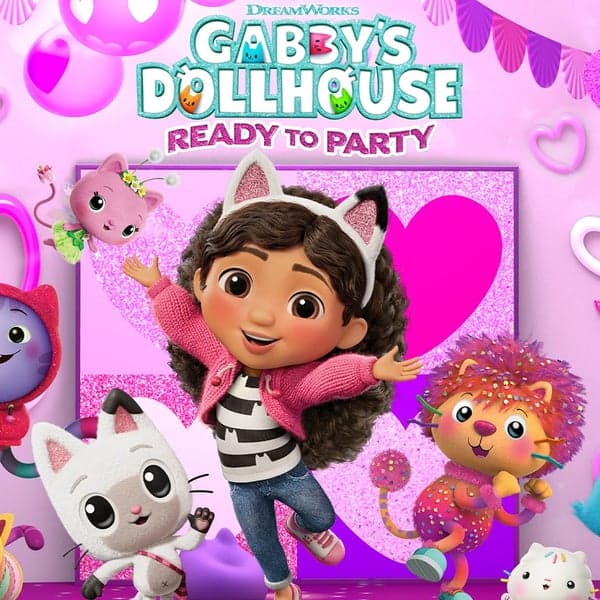
DreamWorks Gabby’s Dollhouse: Ready to Party
I’ll be honest—licensed kid’s games almost never grab my attention. Too often they’re colorful cash grabs, padded with obligatory mini-games and zero heart. But when Outright Games’ upcoming DreamWorks Gabby’s Dollhouse: Ready to Party landed on my desk, I paused. Beyond the Netflix numbers and the soon-to-be movie adaptation, this game arrives at a moment when family-friendly titles are slowly learning to respect co-op design and genuine creativity.
Outright Games has produced its share of hits and misses, from the charming puzzles in Bluey: The Videogame to the more formulaic levels in PAW Patrol World. The question now is whether Ready to Party can sidestep the usual pitfalls—flat mini-games, clumsy tutorials, and an absence of real depth—to deliver something both preschoolers and their parents will want to revisit. With its promise of open-ended exploration, crafting, and distinct room-based activities, it could be the rare preschool title with enough substance to become a family staple rather than a background distraction.
| Feature | Specification |
|---|---|
| Publisher | Outright Games |
| Release Date | September 19, 2025 |
| Genres | 3D Narrative Adventure, Party Game, Family/Co-op |
| Platforms | Switch, PS4/5, Xbox One, Series X|S, PC |
Ready to Party organizes its play around Gabby’s iconic dollhouse, letting players explore different rooms, each with a mini-adventure reflecting the show’s charm. The Craft Room invites kids to mix colors, shapes, and sticker-style materials to assemble party décor—a stripped-down version of the painting puzzles in Bluey, but delivered in a more guided, narrative context. Instead of clunky menus, decorations are dragged and dropped directly onto surfaces, reinforcing cause and effect for little hands.
The Music Room introduces a dance-off subgame that balances on-rails rhythm cues with a light remix sandbox. Think of it as a junior-level Just Dance, but with custom loops and toy instruments you can pick up and “play” on the fly. Rather than punishing missteps, the game rewards experimentation: missed taps generate fun sound effects instead of abrupt failures, encouraging creative exploration over perfect timing.
In the Kitchen, teaming up with Cakey transforms cookie baking into a laid-back simulator rather than a frantic Overcooked clone. Players follow simple color-matching recipes—mix blue sugar with pink sprinkles, press the dough into shaped cutters, decorate with icing—and the focus is on discovery, not speed. It’s an accessible introduction to sequencing and planning, wrapped in a friendly “bake and taste” motif that invites repeated play.
Customization threads through every activity. Collectible party items unlock dozens of costumes and accessories for both Gabby and Pandy Paws, from sparkly tutus to superhero capes. While it can’t rival the depth of Animal Crossing’s wardrobe system, giving young players real choice over their character’s look is a step up from rigid templates. That sense of ownership—finding a new hat or mixing patterns—can be surprisingly motivating for preschoolers learning to express themselves.
Where many preschool titles treat multiplayer as an afterthought, Ready to Party centers on seamless local co-op. No more “hand over the Joy-Con when it’s your turn”—both players share the same vibrant screen and can tackle tasks side by side. Parents or older siblings can guide younger players through each room, whether stacking party crates in the Hallway or arranging balloons for the big bash.
By assigning distinct roles to each participant—one selects the playlist in the Music Room while the other picks instruments—the game reduces the friction that often plagues cooperative play. It’s reminiscent of Lego games, where each character has unique strengths, but simplified for preschool audiences. This structure helps avoid the classic frustration of one player dominating the session, keeping everyone engaged and valued.
Outright Games has also built in adjustable assistance modes. In “Helper Mode,” on-screen cues and subtle visual trails guide less experienced players toward objectives, while “Explorer Mode” removes hints for those who want to tackle tasks independently. This flexibility means families can tailor the challenge to their group—older siblings can explore complex puzzles, while toddlers get gentle nudges toward success.
Compared to other family favorites—like Super Mario Odyssey’s co-pilot system, where the second player has limited input—Ready to Party offers more substantial participation. Both players share agency in crafting, dancing, and baking, rather than one acting as a passive support character. This approach honors the idea that every child, no matter their skill level, deserves meaningful interaction.
The history of movie tie-in games doesn’t inspire confidence—rushed schedules and budget constraints often lead to uninspired design. Yet Ready to Party benefits from a smart synergy: launching just days before the DreamWorks movie opens. That timing could either mean polished content or cut features to meet a promotional window. Recent previews suggest the former: smooth animations, responsive controls, and a learning curve gentle enough for preschool hands.
Translating the show’s “growth mindset” into genuine gameplay is a tall order. It’s one thing to preach problem-solving through dialogue, another to deliver puzzles that nurture curiosity. If the Craft Room truly requires players to experiment—discovering that mixing two colors yields a new shade, or combining shapes unlocks hidden stickers—that’s a win. But if each room defaults to “collect three items, press A to finish,” the premise wears thin fast.
Tutorials pose another risk. Young players don’t want walls of text, and parents don’t want to chat through endless instructions. The sweet spot lies in contextual hints—pop-up bubbles that appear only if you linger, and optional voice prompts you can dismiss. Early builds indicate tooltips are minimal and context-sensitive, which bodes well for keeping momentum and avoiding patronization.
Long-term appeal depends on pacing and reward structure. Unlocking a new outfit or party item should feel like a small celebration, not a grind. If rewards arrive with surprising frequency—say, a new hat after two bake-offs or a special sticker for completing all remixes in one song—kids will keep returning. Conversely, if progression stalls after half an hour, parents will shelve it in favor of more engaging experiences, like Minecraft Creative mode or Lego Marvel Adventures.
Ultimately, Ready to Party will live or die by its execution. Outright Games has surprised before, proving they can craft engaging family experiences. But they’ve also released titles that felt rushed and hollow. For gamers and parents tired of glorified babysitter apps, a healthy dose of skepticism is warranted. If the game delivers on its promise of diverse activities, meaningful co-op, and genuine customization, it could break new ground for preschool titles. Otherwise, it will join the crowded roster of fleeting tie-ins, remembered only for a week’s worth of novelty.
DreamWorks Gabby’s Dollhouse: Ready to Party launches September 19, 2025 on Nintendo Switch, PlayStation 4/5, Xbox One, Xbox Series X|S, and PC. We’ll be watching for hands-on previews and final reviews—because a preschool game that truly respects both kids and parents would be the party everyone’s been waiting for.
Get access to exclusive strategies, hidden tips, and pro-level insights that we don't share publicly.
Ultimate Gaming Strategy Guide + Weekly Pro Tips