
Druckmann Leaves HBO’s The Last of Us to Build Naughty Dog’s New Sci‑Fi IP — What That Really Means
Game intel
The Last of Us (Series)
The Last of Us Part II is an action-adventure game set five years after the events of The Last of Us. The player traverses post-apocalyptic environments such a…
Why This Move Actually Matters
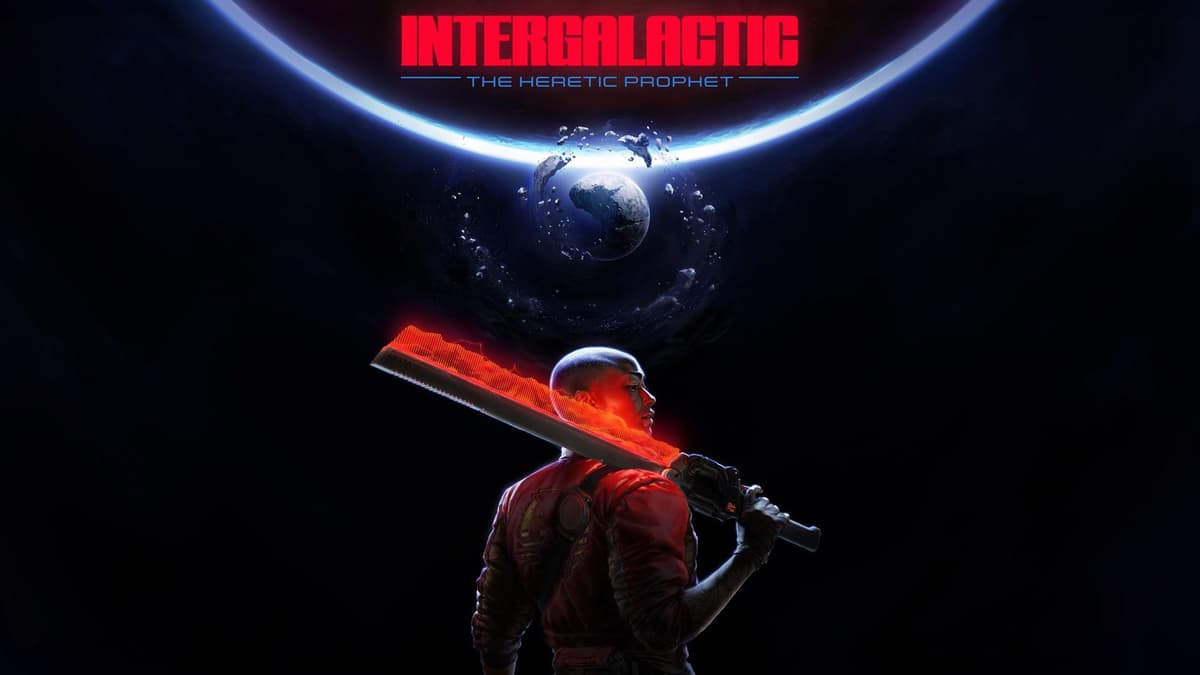
This caught my attention because Neil Druckmann’s fingerprints are all over modern Naughty Dog design-both the highs of their cinematic storytelling and the constraints that come with it. Now he’s stepping back from HBO’s The Last of Us after helping launch two seasons to focus on the studio’s next game, Intergalactic: The Heretic Prophet. He says there’s no creative drama, just a mission accomplished: the show brought new audiences into the franchise and, crucially for PlayStation, into gaming.
- Druckmann says the goal was to popularize The Last of Us beyond players-and he’s confident it worked.
- He’s leaving the show in Craig Mazin’s hands to focus full-time on Naughty Dog’s new sci‑fi IP.
- He’s teasing “the most ambitious gameplay” Naughty Dog has ever built-big words for a studio known for polish, not systems.
- Season 3 of the HBO series is happening, but expect a slightly different creative texture without Druckmann in the day-to-day.
Breaking Down the Announcement
Druckmann’s explanation is refreshingly straightforward. Translated from his French-language comments: “I wanted to popularize The Last of Us beyond the people who played the game… I wanted someone to watch the series without knowing it’s based on a video game and say, ‘Wait, this comes from a video game?’” He adds that the show became “a gateway” to PlayStation and the games themselves—mission achieved. With the path “now laid out,” he says, it’s time to go back to games full-time.
Read between the lines and you see a studio leader choosing where his hours matter most. HBO’s series is established. Craig Mazin (Chernobyl) has proved he can steer it, and the production pipeline is in motion. Meanwhile, Naughty Dog needs to land its first wholly new universe since 2013. After years of remasters and a canceled multiplayer spin-off, the team’s next single-player statement has to show where the studio goes after peak prestige drama.
Why This Matters for Naughty Dog’s Next Game
“Most ambitious gameplay we’ve ever created” is classic marketing catnip, but from Naughty Dog it carries weight—and questions. Historically, the studio’s excellence comes from meticulously scripted set pieces, sublime animation, and airtight pacing. When they’ve pushed wider, it’s been measured: Uncharted 4’s Madagascar sandbox, The Last of Us Part II’s Seattle “open” day, smarter stealth AI. Ambition here could mean bigger, more systemic play rather than just prettier cutscenes.
Sci‑fi gives them room to finally break their toolkit open. Think traversal beyond ropes and ladders, zero‑G or variable gravity, AI companions who do more than whisper and mantle, and combat spaces that aren’t just beautifully lit funnels. Vehicles? Multi‑planet structure? Factions and cultures that inform mechanics rather than just lore dumps? These are the right questions to ask when a studio promises “ambitious” in 2025; the answer can’t be another corridor shooter with prestige lighting.
Also, timing. Naughty Dog ships slowly because they polish obsessively. Druckmann focusing full-time suggests the project is entering phases where creative direction and iteration loops matter more than anything else—exactly when a hands-on lead can accelerate decision-making. Don’t expect dates, but do expect the team to talk systems and player verbs when they’re finally ready to show it. If the pitch leans only on “cinematic storytelling,” that’ll be a red flag.
What It Means for The Last of Us on HBO
Season 1 worked because it respected the games while exploring fresh angles, and Druckmann’s presence reassured fans. With two seasons out and a third confirmed, the runway is clear. Craig Mazin can absolutely keep the plane in the air; the question is about texture. Without Druckmann’s daily input, we may get fewer winks to game logic and more freedom to remix structure and pacing. That could be healthy—TV has different rhythms—but the show will need to hold onto the grounded character work that made it pop in the first place.
Druckmann insists there’s no creative rift, and that checks out. If anything, it reflects a division of labor we rarely see done cleanly with game adaptations: the game studio establishes canon and tone, then trusts the showrunner once the template is proven. If the series keeps delivering, this is the model other adaptations will copy.

The Gamer’s Perspective: Hype vs. Substance
As a player who’s loved Naughty Dog’s production values but wanted more mechanical freedom, this is the best possible fork in the road. Let Mazin run the show, let Druckmann chase new ideas. But “ambitious” has to mean systems that sustain play, not just set pieces that photograph well. Give me AI that surprises across a 20‑hour campaign, spaces that support multiple approaches, and tools that evolve rather than unlock and gather dust.
The bigger industry picture matters too. Single‑player prestige games can still dominate, but budgets and timelines are brutal. New IP is risky. If Intergalactic lands, it gives Sony the fresh tentpole it needs for the next cycle and proves that Naughty Dog can evolve beyond the formula it perfected. If it doesn’t, the “prestige third‑person narrative” lane starts to look like a dead end. That’s why Druckmann’s full focus here actually feels like the right call.
TL;DR
Neil Druckmann is stepping away from HBO’s The Last of Us, saying the show has done its job of bringing new people into the franchise. He’s going all‑in on Intergalactic: The Heretic Prophet, a new sci‑fi IP he calls Naughty Dog’s most ambitious gameplay yet. The show should be fine with Craig Mazin, and the game just became one of the most important bets in PlayStation’s pipeline.