
Table of Contents (9)
Dune: Awakening Chapter 3 – Deep endgame, fewer friction points, and a paid DLC on the horizon
This caught my attention because Dune: Awakening has always promised the sprawling, systemic experience of Arrakis – but players often hit a hard ceiling around Tier 6. Chapter 3 (Feb 3, 2026) is the clearest attempt yet to fix that: meaningful vertical progression, repeatable challenge spaces, and several quality‑of‑life changes that lower the grind barrier for returning or casual players. It’s a philosophical reset as much as a content drop.
Key takeaways
- Chapter 3 (free, Feb 3, 2026) expands endgame beyond Plastanium with revamped Specialization and Augmentation systems.
- 10 new overland locations feature repeatable testing stations and scalable bosses – harder runs give better loot.
- Major QoL for returners: base reconstruction, character transfers, return packages, cheaper respecs, and removal of base taxes.
- Funcom will also release a paid Raiders of the Broken Lands DLC in Q1 — extra monetization to watch.
{{INFO_TABLE_START}}
Publisher|Funcom
Release Date|February 3, 2026
Category|MMO / Survival
Platform|PC, PlayStation, Xbox
{{INFO_TABLE_END}}
Why the endgame changes matter
Hitting Tier 6 previously felt like hitting a wall: the Plastanium tier offered power but little onward growth. Chapter 3’s revamped Specialization and new Augmentation layer aim to turn that plateau into a ladder. Instead of forcing single build paths, the systems emphasize choice — deeper customization, shared long‑term goals, and ways to advance without abandoning your preferred playstyle.
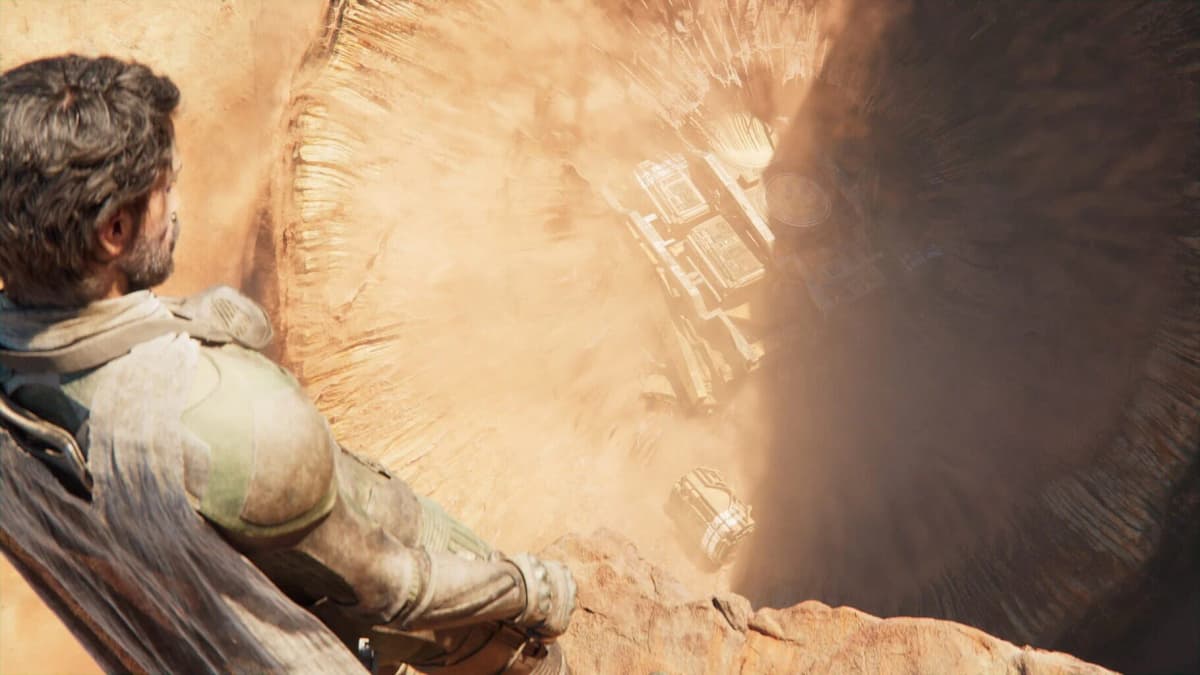
Practically speaking, this means Tier 6 gear will gain meaningful upgrade routes, and players can pursue vertical progression through different design spaces (augmentations, specialization XP, faction/challenge progress). For theorycrafters and min‑maxers this is exciting — it keeps optimization meaningful rather than purely cosmetic.
New locations, scalable bosses, and reward-driven difficulty
Adding 10 overland locations with repeatable testing stations is smart design: it gives a safe, repeatable sandbox for players to test builds and earn loot. The adjustable difficulty and scaling bosses mean content stays relevant as players improve gear. Reward scaling also combats the “do it once for the loot” problem — harder runs net better rewards, which encourages incremental challenge increases.

Playstyle respect: Landsraad missions and multi‑reward challenge locations
Chapter 3 explicitly acknowledges five archetypes — crafter, gatherer, explorer, fighter, saboteur — and aims to make Landsraad missions and challenge locations viable for each. That’s a big shift from design that previously funneled players into combat‑centred progression. If implemented cleanly, it broadens what “endgame” looks like for different communities within the game.
Returners and quality‑of‑life: removing friction
This is the part that will change community sentiment fast. Removing base taxes alone reduces login pressure — players won’t be punished for stepping away. Add base reconstruction tools, character transfers between worlds/Sietches, return packages for accounts inactive >28 days, and cheaper respecs, and you’ve got an environment that welcomes comeback players instead of gatekeeping them. That’s good for long‑term retention.
Monetization and risks: Raiders DLC and balance complexity
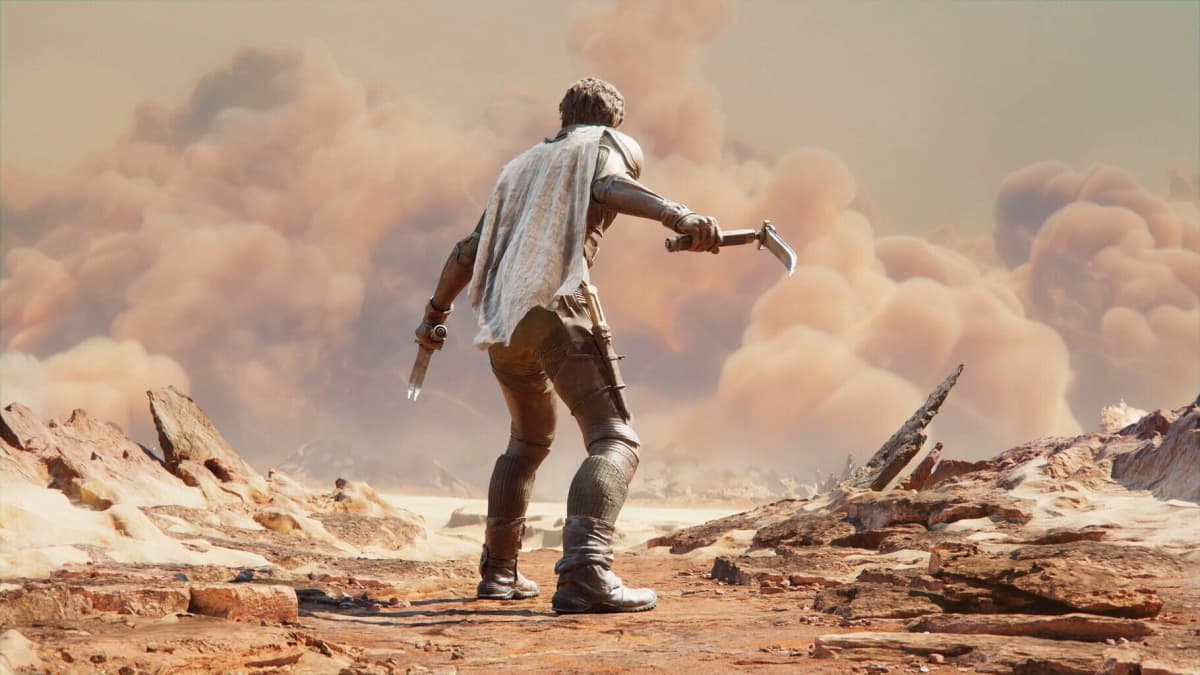
Funcom is shipping a paid Raiders of the Broken Lands DLC in Q1. A paid DLC alongside a major free overhaul is fine in principle, but it’s worth watching whether premium content introduces power gaps or gated progression for players who skip the purchase. The other technical risk: new scaling and augmentation layers increase tuning complexity — loot balance and difficulty gates will make or break player perception.
What this means for different players
- Hardcore endgame players: New augmentations and scalable boss runs give fresh optimization goals and reasons to keep grinding.
- Casual/returning players: Tax removal, return packages, and reconstruction tools lower re‑entry friction and make returning enjoyable rather than punitive.
- Playstyle specialists: Landsraad missions and challenge rewards that respect archetypes mean you won’t need to swap to combat play to stay relevant.
TL;DR — The reset Arrakis needed
Chapter 3 (Feb 3, 2026) is the most consequential update for Dune: Awakening since launch: it deepens endgame progression, adds 10 scalable locations and repeatable challenge stations, fixes major returner pain points, and preserves playstyle diversity. The paid Raiders DLC is a new monetization thread to monitor, and balance/tuning will be the deciding factor for long‑term success. Overall — a promising reset that actually addresses the community’s biggest complaints.
FinalBoss // Gear
Level up your setup
01Top-rated gaming headsetson Amazon→02High-refresh gaming monitorson Amazon→03Gaming chairson Amazon→04Discounted game keyson Kinguin→Affiliate links · As an Amazon Associate, FinalBoss earns from qualifying purchases.
Want to Level Up Your Gaming?
Get access to exclusive strategies, hidden tips, and pro-level insights that we don't share publicly.
Ultimate Gaming Strategy Guide + Weekly Pro Tips