
Table of Contents (13)
Funcom’s Arrakis reset: more than a patch, it’s a social reboot
When the PvE base exploit known as the “Hagga Basin” vulnerability surfaced in early February, Funcom didn’t stop at a simple hotfix. They rolled back five worlds by 24 hours, paused new content, banned hundreds of players, ran a compensation weekend, and now plan token-free server merges in March. Taken together, this sequence isn’t just damage control—it’s a full-scale attempt to reforge the game’s social fabric by forcing population density back to healthy levels.
TL;DR
- Patch 1.3.5.1 fixed the Hagga Basin exploit and rolled back Pax, Epsilon Eridani, Harmony, Arrakis, and Stoneheart by 24 hours.
- Funcom issued 155 permanent bans and 289 14-day suspensions to deter repeat offenders.
- Compensation weekend (double XP/rep/resources/scrip) and item packs aimed to soften the blow for victims.
- Patch 1.3.10.0 in March introduces token-free character transfers, official server merges, and a Base Backup Tool for reconstructing lost properties.
- This reset has potential—if the tech and rules actually protect players, it could breathe new life into hollow desert worlds.
Key Takeaways
- Hotfix & rollback: 1.3.5.1 patched the exploit and rewound five servers by one day.
- Enforcement: 444 total punishments—155 permanent bans, 289 suspensions.
- Compensation: suspended Coriolis Storm content, resource packages, and a boosted weekend.
- Consolidation: 1.3.10.0 brings merges, free transfers, and base reconstruction tools.
Timeline of the exploit and Funcom’s response
February 4, 2026: Players discover a flaw that lets them bypass PvE protections and damage other people’s bases, dubbed the “Hagga Basin exploit.”
February 6, 2026: Funcom acknowledges the issue, pulls Coriolis Storm world bosses, and starts emergency monitoring.
February 9, 2026: Public Test Server receives a Preview for Patch 1.3.5.1, revealing a fix and rollback mechanism.
February 10, 2026: Live release of 1.3.5.1—five worlds (Pax, Epsilon Eridani, Harmony, Arrakis, Stoneheart) are rolled back by 24 hours. Exploit is closed.
February 12, 2026: Dev letter details 155 permanent bans, 289 14-day suspensions, and announces a double XP/rep/resources/scrip weekend for February 13–15.
March 3, 2026 (planned): Release of Patch 1.3.10.0, featuring token-free transfers, official server merges, and the Base Backup Tool for rebuilding sietches.
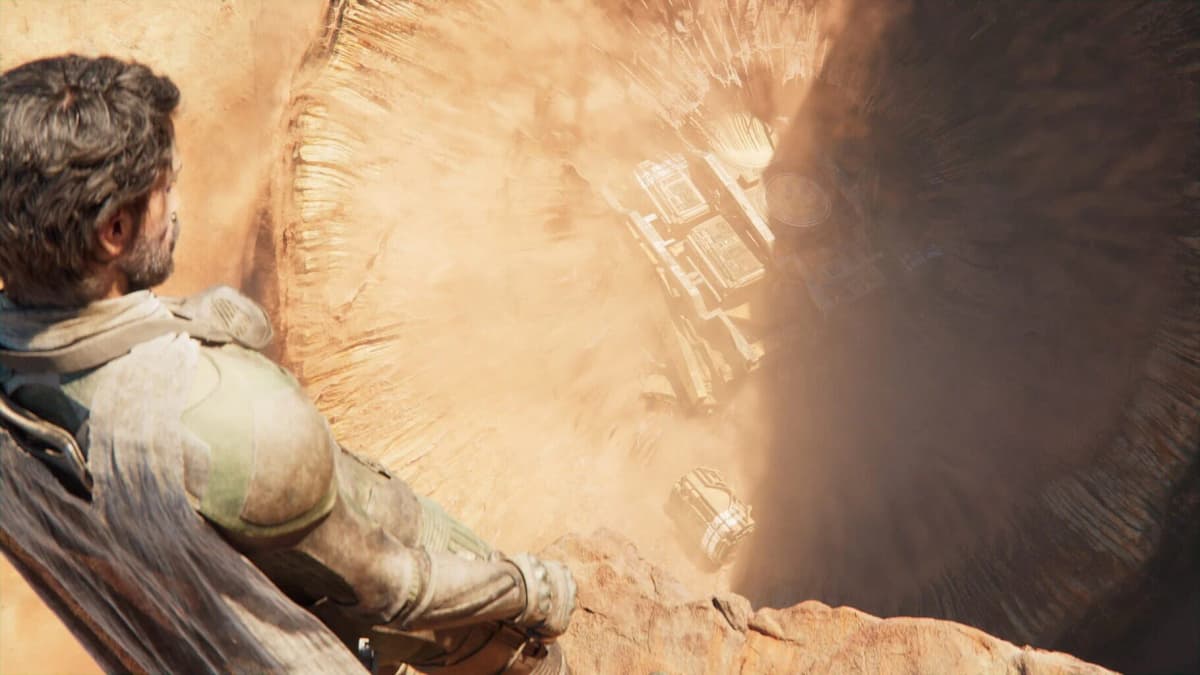
This rapid-fire sequence shows Funcom isn’t just patching code—they’re steering player behavior and reshaping server populations.
Deep dive: the Hagga Basin exploit and Patch 1.3.5.1
The Hagga Basin exploit leveraged a collision detection loophole in the PvE world. By flying drones under terrain meshes or clipping into sealed sietches, bad actors could delete or displace foundations that other players had carefully placed. Funcom’s emergency hotfix closed the collision gap, but the real work happened on rollback infrastructure.
Rolling back entire worlds is nontrivial: you need consistent snapshots, asset integrity checks, and database reconciliation to avoid item duplication or data corruption. Funcom’s 1.3.5.1 implementation rewound server states by precisely 24 hours, then ran integrity scripts to reconcile trades, market orders, and harvester meters. Because five worlds suffered heavy exploit usage, they were selected for rewind; other worlds stayed online to avoid unnecessary disruption.
Enforcement and the fragile trust equation
Punishing 155 permanent offenders and suspending 289 more is a statement: griefing tactics won’t slide. But there’s a delicate trade-off. Rolling back hours of player investment triggers frustration and erodes confidence. Even well-meaning compensation—resource kits, weekend boosts—can’t always heal the emotional scar of watching your desert fortress vanish.

As one player put it on Reddit: “My main sietch took months to farm. I get the need to stop cheaters, but it hurts.” Funcom’s dev letter promised transparency in ban appeals and clarity on suspension criteria, but trust rebuilds slowly. If players see inconsistent rulings or data mismatches, they’ll vote with their feet—toward private servers or competitor titles.
Server consolidation: solving emptiness, spawning new headaches
Empty servers kill the core survival vibe—no rivals, no markets, no Landsraad politics. Consolidating low-population worlds is smart. Patch 1.3.10.0 will list affected servers in-game and on the dev blog, then allow token-free transfers. Character progress, inventory, bank, and even bases (via the Base Backup Tool) come along for the ride.
Base Backup Tool—how it works and edge cases
Teased in October 2025, the Base Backup Tool crafts a portable “sietch blueprint” item. Players use it to store an entire base—from foundations to harvesters—as an inventory entity. On the target server, reapplying the blueprint rebuilds the sietch in the original layout, provided no collision conflicts occur.
Edge cases to watch:
- Overlap disputes: if two sietch blueprints map to the same terrain, who wins? Funcom hasn’t spelled out priority rules—first-to-apply, random draw, or admin arbitration?
- Resource sinks: automated farms and thralls might produce double yields after reconstruction. Funcom’s reconciliation script must rebalance harvester timers to prevent exploit loops.
- Item caps: what if multiple backups exceed weight or slot limits? Players need clear guidance or automated split tools.
Without defined adjudication policies, merges risk becoming a Wild West of base-grabs. Funcom’s promise of “automatic storage and reconstruction” is encouraging, but execution details will make or break this reset.
Community pulse: excitement and caution
Discord channels are buzzing. Some veteran guild leaders are excited to scout fresh desert landscapes, reforge rivalries, and claim prime oasis real estate. Others worry about losing their quiet corner of the map. YouTubers speculate that the first to rebuild will monopolize hot zones, while smaller groups could be squeezed out.
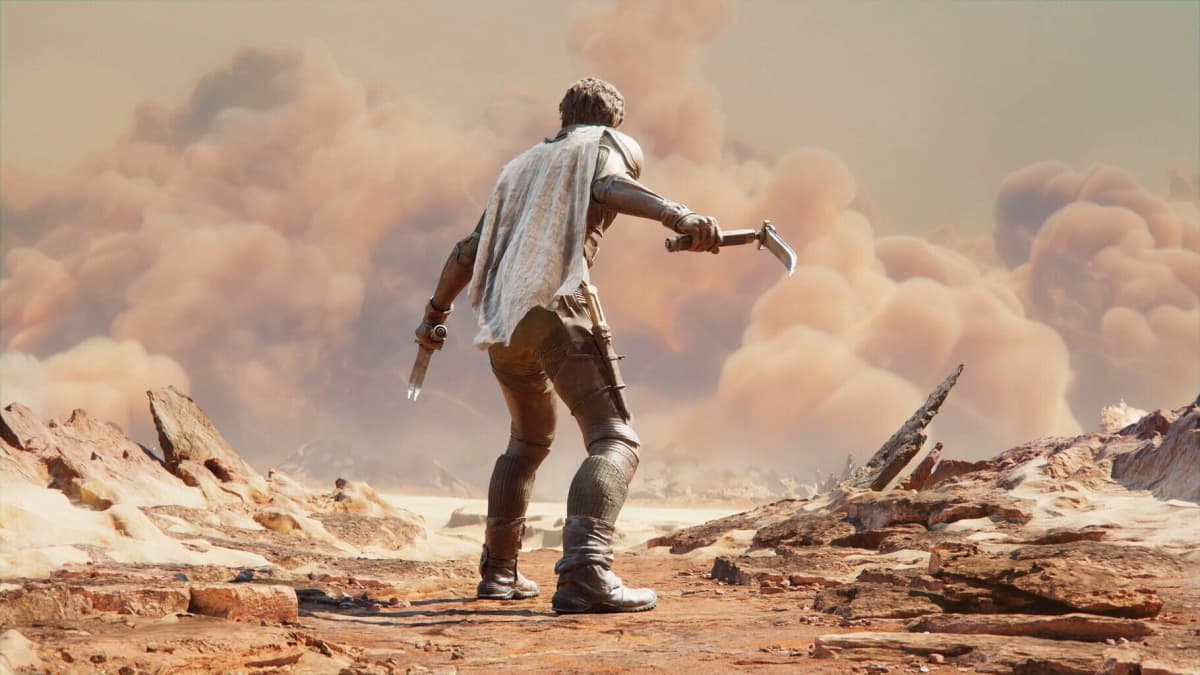
Anecdotal reports suggest “nervousness” around merge timing—will it happen during peak hours, splitting guilds across shards? Funcom has pledged advance notice and staggered windows, but until we see the full schedule, jitters will persist.
The question I would ask Funcom
How exactly will you arbitrate overlapping sietch blueprints after a merge? Storing and restoring assets is one thing; resolving turf wars is another. Players need clear, enforceable rules—first-come, first-served? Team-based priority? Lottery? Without that clarity, the Base Backup Tool could fuel more drama than it solves.
What to watch in early March
- Patch 1.3.10.0 release and full patch notes—look for detailed merge mechanics, backup queue behavior, and conflict resolution policies.
- Official list of affected worlds—knowing where and when you need to move is critical prep.
- Community channels (Discord, Reddit, Steam) for real-time merge reports and notes on whether sietch blueprints respect original rotations and layouts.
- Telemetry metrics published post-merge—Funcom should share population density, server pings, and retention figures to prove the strategy’s success.
Practical recommendations for Funcom and players
- Funcom: publish a whitepaper on merge conflict policies—spell out first-to-apply rules, weight caps, and arbitration channels.
- Funcom: deploy a staging or “merge preview” environment so guilds can test blueprint restorations without stakes.
- Players: pre-backup critical sietches, split bases into multiple blueprints to avoid slot caps, and coordinate rebuild windows with guildmates.
- Players: monitor server lists daily and join community Discord channels for early warnings on close-call merges.
Conclusion
Funcom’s reset strategy is bold: fix the exploit, punish offenders, compensate victims, and force low-pop worlds to merge. If the tech infrastructure holds up and the studio communicates clear conflict rules, this shake-up could finally inject life into Dead Desert servers. Execution will determine whether frustrated communities regain trust—or whether this reboot backfires and drives players to greener sands elsewhere.
In short, the devil is in the details. Patch 1.3.10.0 isn’t just another update—it’s make-or-break for the game’s social engine. We’ll be watching every rollback log, every merge notification, and every rebuild blueprint for signs that Funcom’s gamble paid off.
FinalBoss // Gear
Level up your setup
01Top-rated gaming headsetson Amazon→02High-refresh gaming monitorson Amazon→03Gaming chairson Amazon→04Discounted game keyson Kinguin→Affiliate links · As an Amazon Associate, FinalBoss earns from qualifying purchases.
Want to Level Up Your Gaming?
Get access to exclusive strategies, hidden tips, and pro-level insights that we don't share publicly.
Ultimate Gaming Strategy Guide + Weekly Pro Tips