
Dungeons & Kingdoms Early Access Nov 17: Colony Sim Meets Dungeon Crawling
Game intel
Dungeons & Kingdoms
A medieval fantasy kingdom builder, management sim and dungeon delver RPG hybrid. Gather resources, hunt wild animals and build infrastructure. Then dive into…
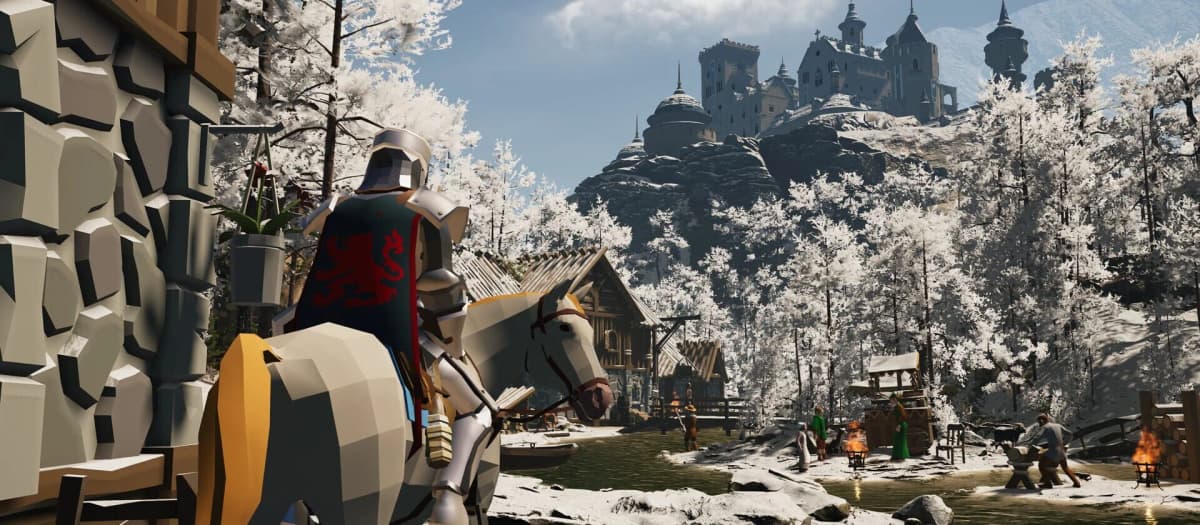
Dungeons & Kingdoms arrives in Early Access on November 17, 2025, on PC via Steam and GOG, offering a bold fusion of medieval colony simulation and third-person dungeon-crawling combat.
Why this announcement matters
Indie dev Uncle Grouch Gaming is tackling a duo that few studios dare to mix: survival-focused settlement building and visceral action RPG combat. If done well, the game could bridge the gap between colony sims like Medieval Dynasty and action titles like Enshrouded—turning every dungeon delve into a meaningful waypoint in your village’s story.
Key takeaways
- Early Access starts Nov 17, 2025, on PC (Steam and GOG), launching with single-player. Multiplayer and mod support are planned during EA.
- Your core loop: assign villagers and build your keep, then dive into third-person dungeons to bring back blueprints, loot, and resources.
- Major risk areas: combat feel, AI pathfinding, pacing between sims and raids, and overall performance on midrange PCs and Steam Deck.
- With nearly 200K wishlists and a strong Next Fest showing, community interest is high—but success will hinge on execution, not just feature lists.
Breaking down the announcement
At launch, Dungeons & Kingdoms focuses on single-player settlement building with realistic survival needs—food production, seasonal cycles, morale, and a deep villager system where each character’s personality and skills shape your strategy. The sandbox toolkit offers modular building with over 500 pieces, letting you sculpt terrain, dig moats, and erect farms or defensive chokepoints.
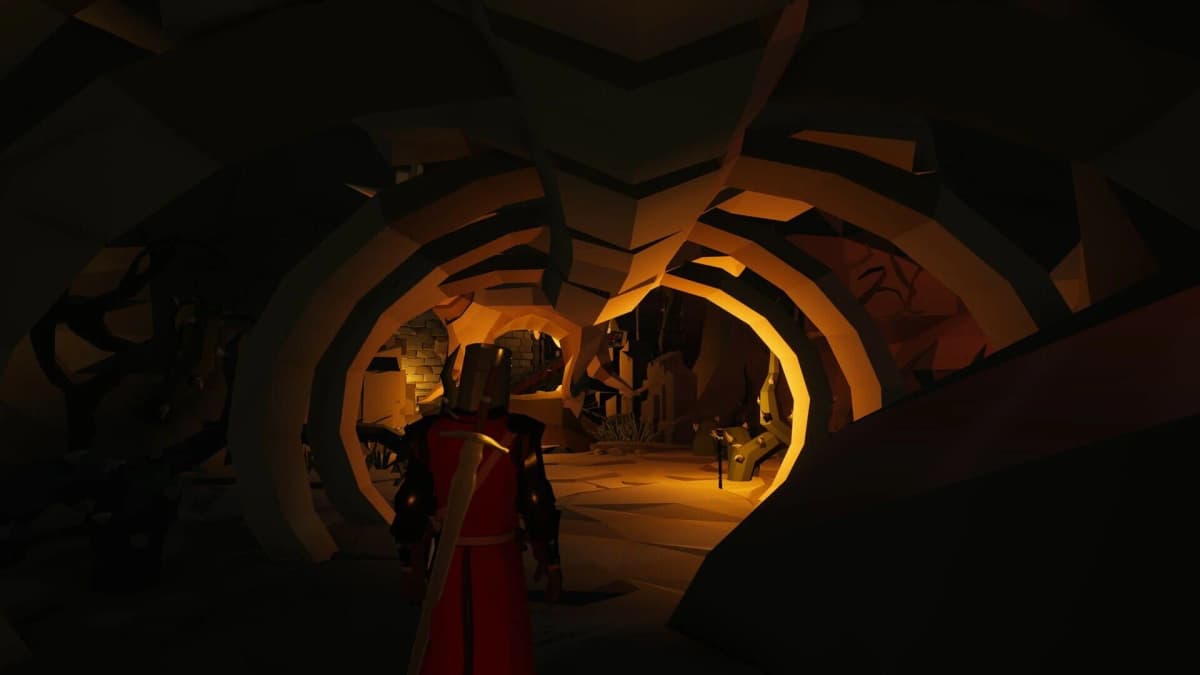
The twist? You don’t passively queue tech in a menu. Instead, you earn every upgrade by donning armor and wading into dungeons yourself. Each corridor run and boss fight yields blueprints and rare materials that unlock new building components, tech trees, and village improvements. That feedback between your on-foot raids and macro-management underpins the entire design.
The developer has emphasized a player-first Early Access. A public roadmap promises multiplayer mode and full Steam Workshop support before the game hits 1.0. English is available at launch, with additional languages in the pipeline, and the team has confirmed Steam Deck compatibility. Pricing launches at an indie-friendly tier with an inaugural discount to reward early backers and encourage active community feedback.
The real story for gamers
We’ve seen strong takes on one half of this equation—village sims like Manor Lords, or ARPG adventures like Valheim. What’s rare is a cohesive link between the two: meaningful dungeon expeditions that power your settlement’s growth, and settlement management that shapes your combat strategy. If every cavern crawl feels tense and the loot you secure tangibly changes your village’s prospects, you get a satisfying loop. But if combat feels floaty or villagers constantly misinterpret tasks, the whole experience risks collapsing into busywork.
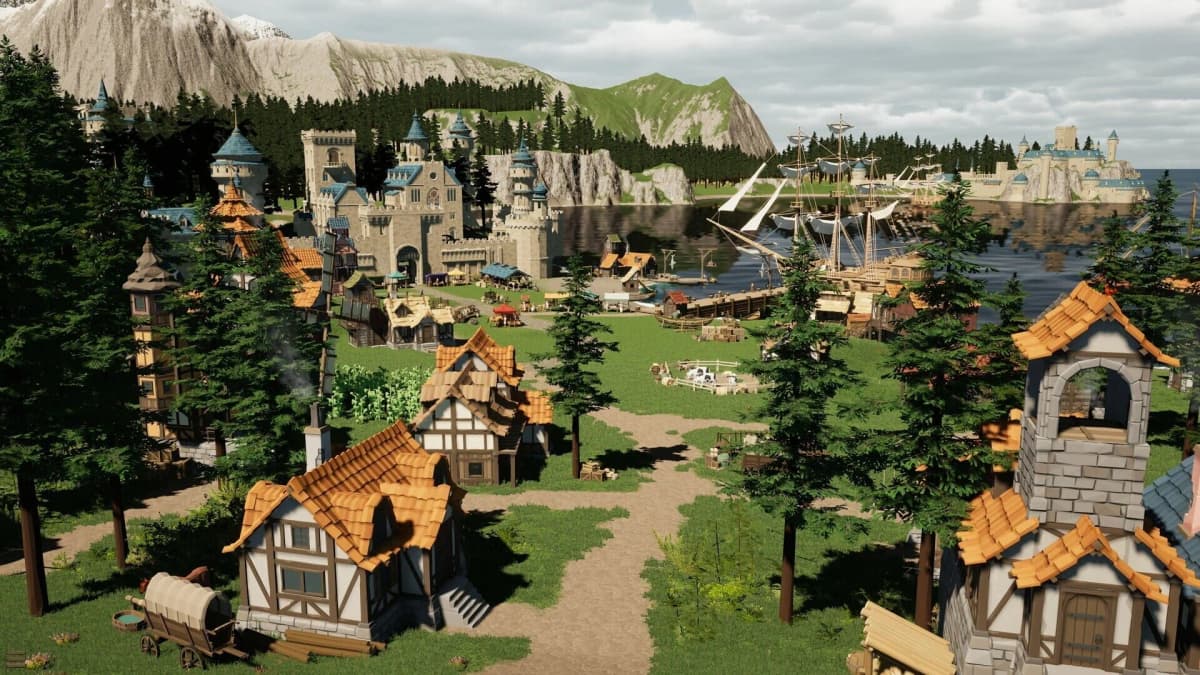
Combat polish will be a make-or-break factor. Details like hit-stop, clear enemy tells, responsive stamina and poise systems all matter. On the village side, robust pathfinding and smart job-prioritization logic are essential—nothing breaks immersion faster than settlers freezing under a siege or wandering in circles through your custom walls. And while “over 500 building pieces” promises creativity, the user interface and camera controls must be up to the task.
Pacing is another delicate balancing act. Survival sims can grate with slow early progression, while ARPGs rely on a steady drip of power spikes. Ideally, a new season’s food shortage pushes you to reinforce defenses, which drives a dungeon run for iron or new crop tech—just the right amount of pressure and reward. If dungeon loot trivializes crafting or the economy is too stingy, that loop snaps.
Want to Level Up Your Gaming?
Get access to exclusive strategies, hidden tips, and pro-level insights that we don't share publicly.
Ultimate Gaming Strategy Guide + Weekly Pro Tips
What to watch in Early Access
- Combat feel: Do hits land with weight? Are enemy telegraphs clear, or is it just a button mash?
- Villager AI: Can settlers farm, craft, and defend without endless micromanagement?
- Progression cadence: Are dungeon rewards paced to keep your village growing but never trivial?
- Performance & stability: Smooth framerates on midrange PCs and Steam Deck, plus reliable saves in sprawling towns.
- Roadmap delivery: Will multiplayer and Steam Workshop support arrive on schedule, or will scope creep derail the timeline?
Industry context and expectations
High wishlist counts can fizzle if the core gameplay loop isn’t satisfying. Titles like Palworld and Manor Lords saw early hype but struggled to maintain momentum when key systems underperformed. Dungeons & Kingdoms’ identity is strong—a clear two-way bridge between dungeon action and settlement sim—but it must resist the temptation to bolt on every community request. A focused roadmap that hones the central loop could position this as an indie staple alongside Valheim and RimWorld. If EA becomes a sprawling buffet of half-baked features, it risks ending as an ambitious curiosity rather than a classic.
TL;DR
Dungeons & Kingdoms launches Early Access on Nov 17 combining medieval village management and third-person dungeon crawling. Its success rests on combat feel, villager AI, progression pacing, and roadmap follow-through. If those align, it could be 2025’s must-share indie hit—if not, a fascinating near-miss.