
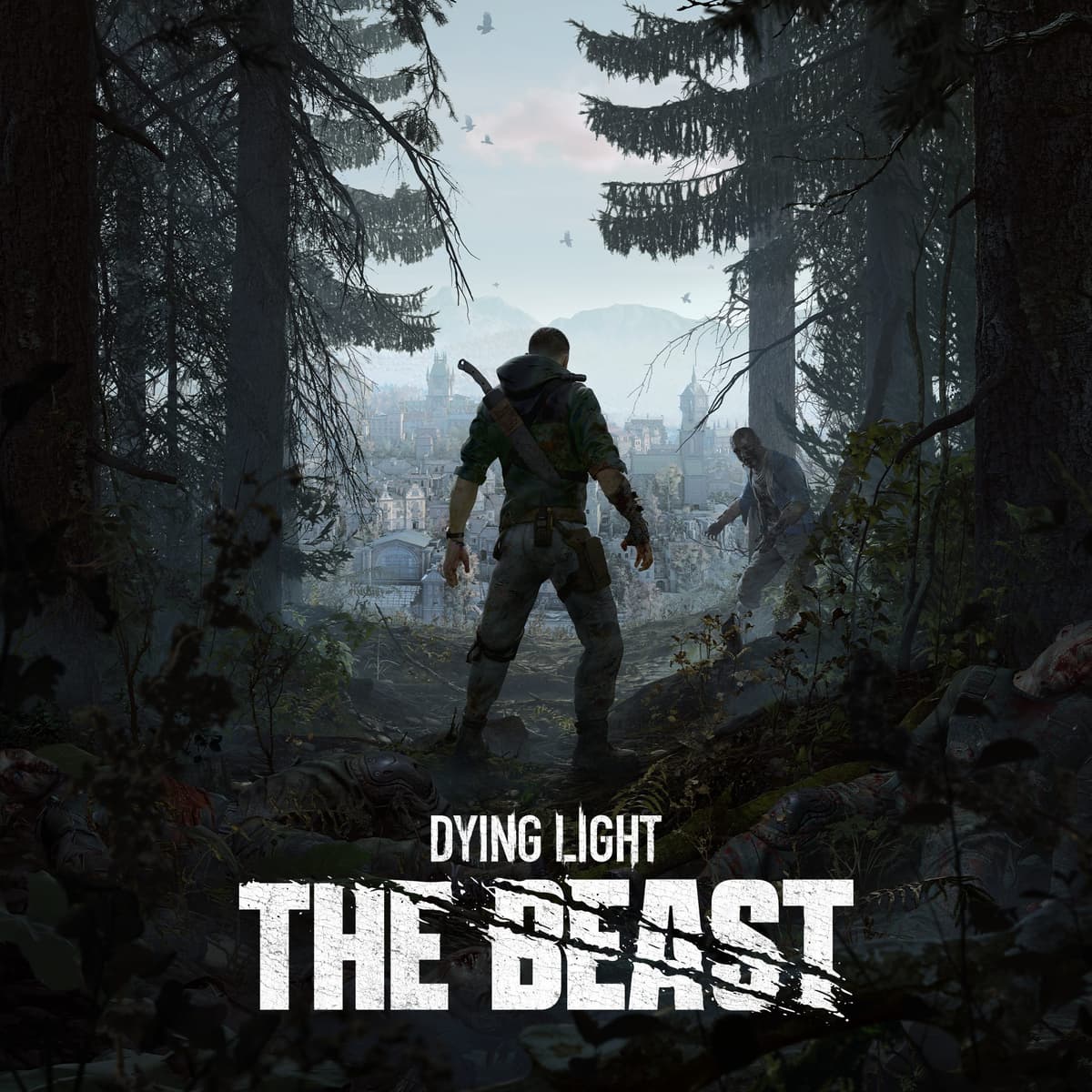
Dying Light: The Beast Brings Back the Bite — Grounded Parkour, Smarter Enemies, and Gnastier Gore
Game intel
Dying Light: The Beast
Dying Light is a first-person, action survival horror game set in a vast and dangerous open world. During the day, players traverse an expansive urban environm…
Why This Announcement Actually Matters
This caught my attention because it sounds like Techland is steering Dying Light back to what made the first game a cult classic: tactile, dangerous movement and crunchy, physical combat. The new peek at Dying Light: The Beast highlights Kyle Crane’s headspace, a new open world called Castor Woods, and a back-to-basics approach to parkour and melee. As someone who adored the rooftop flow of Dying Light and rolled my eyes at some of Dying Light 2’s floatiness and handholds, the promise of “grounded, realistic” traversal (and “no parkour helpers”) reads like a direct response to long-standing community gripes.
Key Takeaways
- Grounded parkour returns with over 100 new animations and zero “helper” assists.
- Physics-first combat with active ragdolls, precise hit impulses, and a gruesome damage model.
- Human AI reportedly uses cover and up to 22 positioning strategies-if it works, melee fights could finally feel tactical.
- Castor Woods shifts the series from dense urban rooftops to a forested sandbox-new possibilities, new risks.
Breaking Down the Announcement
Techland says parkour in The Beast is immersive and realistic: jump height and length tuned to kill the floatiness, stamina no longer limiting climbing, and “no parkour helpers.” Translation: expect fewer invisible magnets and fewer “press forward to auto-parkour” moments. You still can “go anywhere and climb anything,” but the emphasis shifts to reading the environment rather than spamming vaults. The claim of 100+ new animations for Kyle (including 17 distinct edge grabs) suggests the team is chasing that Mirror’s Edge-style feedback loop-tiny hand shifts and weight transfers that sell momentum in first person. If Techland nails the landings and mantles without slippery camera sway, the core loop could be the series’ best yet.
Castor Woods is the wildcard. Dying Light’s rooftop ballet worked because Harran’s verticality made every street crossing a risk-reward math problem. Forests are a different beast: rolling terrain, tree lines, cabins, cliffs, and river cuts. If the level design layers in fallen logs as balance beams, root systems as ladder analogs, and cliffside shimmies in place of urban ledges, the “go anywhere” pitch holds. If it’s just flat woodland with the occasional shack, the parkour will suffer. Techland’s open-world chops are proven, but this is a tonal and mechanical pivot they have to earn.
The Combat Pivot: Weight, Wounds, and Smarter Foes
The studio talks up a revamped physics engine that applies hit impulses accurately, blending active ragdoll with short animations. That’s the sweet spot: too much ragdoll and fights look like noodle arms; too little and everything feels canned. Weapon swings getting proper wind-up and stop timings is encouraging—Dying Light is at its best when a two-handed hammer feels like a commitment, not a sponge beater. The new damage model lets you destroy at least 12 enemy body parts and doubles visible wounds over previous games. Techland cut its teeth on Dead Island’s gloriously nasty dismemberment, so if anyone can make this sing without descending into slapstick, it’s them.
On paper, the human AI is the biggest potential upgrade. Cover usage plus “up to 22 strategies” for positioning hints at foes that don’t just charge and die. If enemies flank, bait swings, and punish greedy stamina use in combat, melee could finally feel like a test of space and timing, not just durability. The studio also mentions faster recoil stabilization, which quietly confirms firearms are part of the toolbox again. After Dying Light 2’s late pivot to guns, the question is balance: can Techland keep firearms loud and situational while preserving melee as the star? If they can, night runs with a last-ditch pistol might deliver proper panic without trivializing the horde.
Want to Level Up Your Gaming?
Get access to exclusive strategies, hidden tips, and pro-level insights that we don't share publicly.
Ultimate Gaming Strategy Guide + Weekly Pro Tips
Industry Context: A Course Correction Fans Asked For
Looking back, the series has swung between two poles. The first game’s simplicity—bold movement, handcrafted encounters—won fans who still mod it to this day. The sequel expanded systems and RPG scaffolding but drifted into floaty jumps and progression gating. “No parkour helpers” reads like a deliberate undoing of overly sticky traversal, and removing stamina limits on climbing dodges Dying Light 2’s most annoying early-game choke point. The studio is prioritizing feel again, and that’s the right call. Techland knows the community notices micro details—ledge snap, foot slide, fall recovery—more than bullet-point bloat. If The Beast delivers tactile feedback in motion and impact, it won’t need gimmicks.
What Gamers Need to Know (and What We’re Still Waiting On)
There’s plenty to like in this pitch, but a few question marks remain. Forest biomes have to earn their traversal—show us verticality: watchtowers, cliff networks, rope bridges, wind-battered church steeples. “No parkour helpers” sounds great for purists, but accessibility matters; optional assists and clear readability should be there for players who need them. “Up to 22 strategies” is a fancy number, but AI lives or dies on consistency—make sure enemies don’t get hung up on geometry or forget how cover works mid-fight.
We also need clarity on co-op (Dying Light without co-op is like a UV lamp without batteries), how night escalations work in the woods, and whether progression is closer to the first game’s straightforward upgrades or the sequel’s deeper RPG layers. Finally, performance: physics-driven melee plus dismemberment and reactive AI is expensive. A locked frame rate and responsive input have to be non-negotiable for a parkour combat sandbox.
TL;DR
Dying Light: The Beast looks like Techland returning to its strengths: grounded parkour, heavier melee, and smarter enemies in a fresh forested sandbox. If Castor Woods delivers vertical routes and the AI holds up under pressure, this could be the most satisfying first-person movement-combat blend Techland’s shipped since Harran. Guarded optimism, with a keen eye on co-op details and performance.