
Table of Contents (13)
Why This Announcement Matters
Dynasty Warriors 3 getting a full Unreal Engine 5 remaster hits me right in the PS2-era memory card nerves. This was the couch-co-op, split-screen chaos of Hu Lao Gate, the infamous “don’t pursue Lu Bu,” and the bodyguards-turned-mini-murder-machines. Koei Tecmo and Omega Force are packaging the original game with Xtreme Legends, modernizing the UI, and promising gameplay refinements that should keep the core Musou vibes intact. For a franchise cornerstone that defined how power fantasies feel, this is a big swing—and potentially the start of a polished Renaissance.
- UE5 remaster bundling Dynasty Warriors 3 + Xtreme Legends in one Complete Edition.
- Local 1–2 player co-op returns; online co-op is still unconfirmed.
- Quality-of-life fixes tackle PS2-era pain points without diluting the classic feel.
- Launching March 19, 2026 on PS5, Xbox Series X|S, PC (Steam), Switch, and Switch 2.
Breaking Down the Announcement
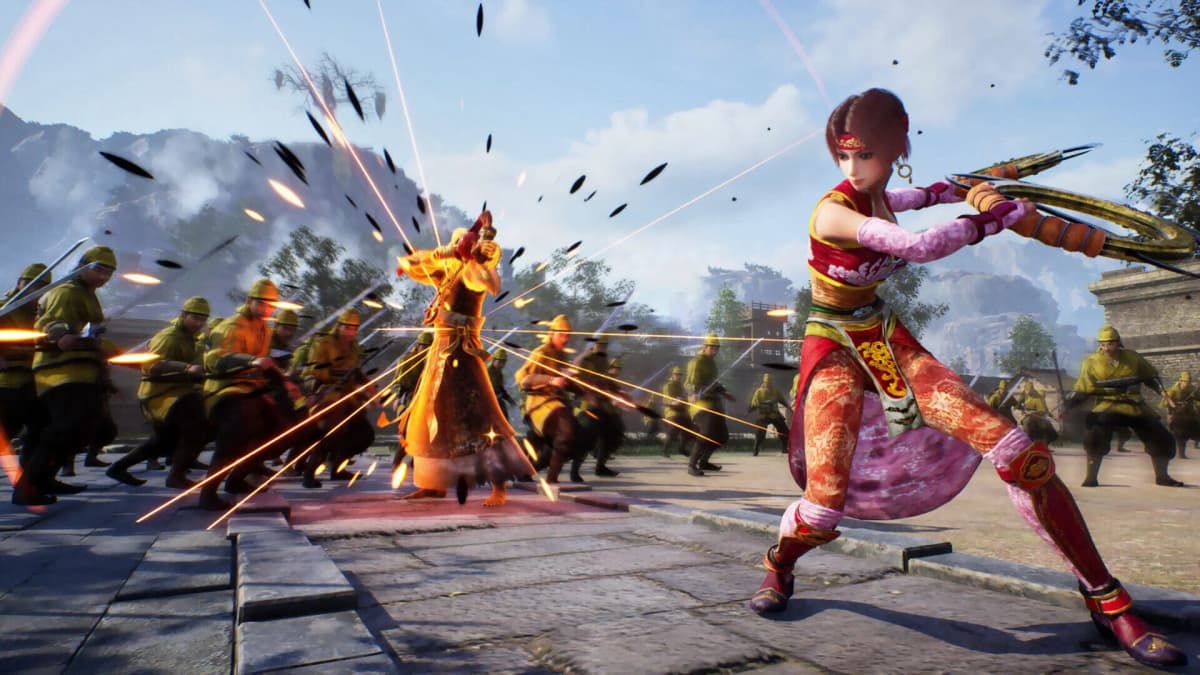
This isn’t a simple texture pass. Dynasty Warriors 3: Complete Edition Remastered absorbs every officer, scenario, and mode from the original and Xtreme Legends—40+ officers, Lu Bu’s full arc, challenge modes, new weapons, and that infamous bodyguard customization. If you recall juggling discs with “MixJoy” on PS2 just to merge content, this one-stop package ends the faff. Combat is “refined” but faithful: don’t expect DW7-style air juggles or Orochi-level cancels. It’s the deliberate clash that sits between DW2’s stiffness and later entries’ flash.
The Real Story: Can UE5 Fix Old Pain Points?
Back in 2001, DW3’s sense of scale hid behind foggy draw distances, sudden pop-in, and a minimap that lied under pressure. A UE5 rebuild should aim for a locked 60 FPS on PS5 and Xbox Series, with LOD transitions no sooner than 20 meters and pop-in thresholds beyond 10 meters. Expect dynamic lighting that highlights fortress walls without washing out character models, and steadier crowd spawning that keeps your screen filled with soldiers—never teleported clones.
UI refinements matter more than they sound: a legible, zoomable minimap; clear objectives; and modern font/iconography turn battlefield navigation from chaos into strategy. A toggleable real-time objective list, color-coded markers, and map panes that expand on command would help you make clutch saves instead of running in circles. Nail these upgrades, and the remaster transcends nostalgia to become the definitive way to experience DW3’s epic clashes in 2026.
The real question is enemy behavior and hit feedback. Classic DW3 combat felt satisfyingly weighty, but AI officers were mostly stat-sponges until your damage numbers ballooned. If Omega Force preserves the timing of Musou bursts and charge attacks while adding patterned tells—like a brief glow before unblockable swings—and tightens guard-break windows (around 20–30 ms of reaction opportunity), they’ll balance challenge with clarity. A cleaned-up camera that prioritizes locked targets and avoids sudden snaps into walls or the skybox is the final piece.
Technical and Gameplay Breakdown
Enemy AI Overhaul
Imagine officers that actually dodge or block in a believable window rather than standing idle until your Musou blast lands. The remaster should introduce tiered AI behaviors: grunts that scatter after a heavy strike, lieutenants who attempt guard-breaks after two light hits, and rear-guard officers using flanking maneuvers. By assigning simple state machines, Omega Force can inject variety without derailing the classic formula. Hypothetically, at 30 percent health, officers could call reinforcements or activate a short hyper-armor buff—mirroring modern Musou tactics without sacrificing the core design.
Hit Feedback & Input Lag
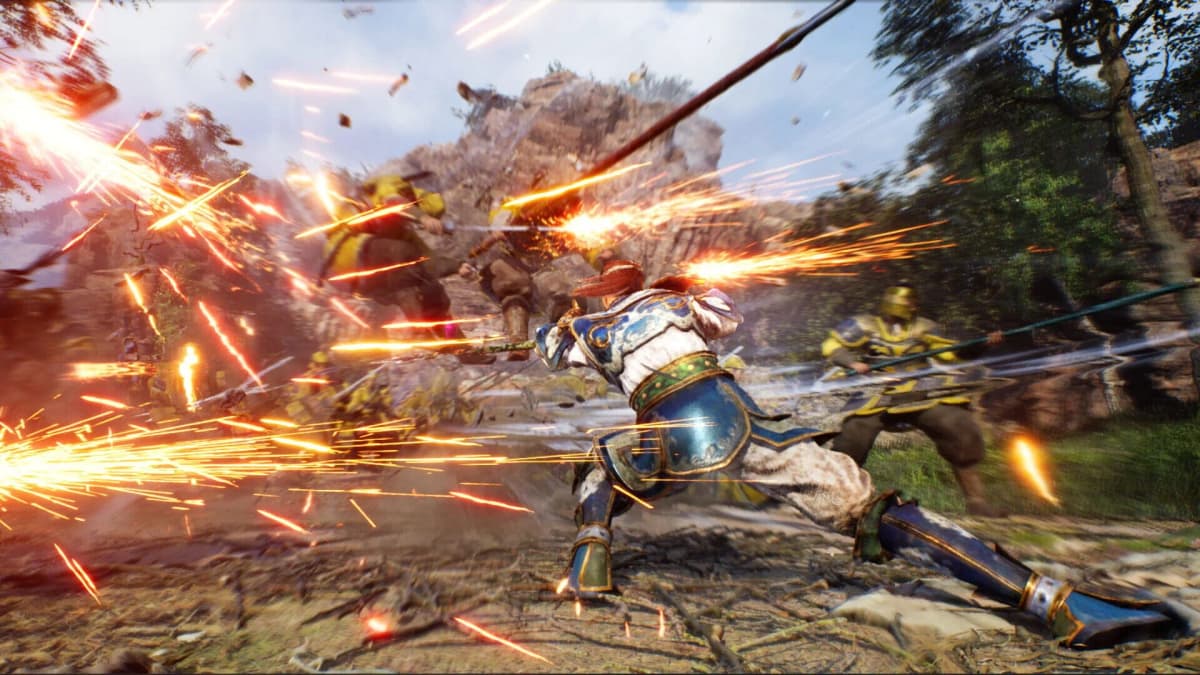
Input delay was a hidden culprit in PS2 days, sometimes adding frames between button press and on-screen action. A target of under 50 ms total input latency on consoles and 40 ms on PC (with raw input) would make combos feel crisp, especially when chaining charge attacks into Musou bursts. Enhanced hit sparks, haptic feedback on DualSense controllers, and clear audio cues for guard breaks will reinforce each blow’s impact, reminding players why shattering shields feels so rewarding.
Horse Handling & Open-Field Control
Mounted combat in DW3 was functional but often felt like steering a tank. A subtle acceleration ramp—speeding to full in half a second—and responsive braking will make cavalry feel more agile. Adjustable camera distance while galloping (2–5 meter camera offset) and lock-on targeting during canters would let you weave through enemy ranks. If Omega Force includes a toggle for procedural camera collision, you’ll spend less time stuck on terrain and more time cutting through hordes.
Xtreme Legends Loop Integration
Xtreme Legends added new weapons, officers, and challenge modes to extend replay value. I’d love to see these woven into a looped progression: after clearing the main story, unlock scalable “Legendary Trials” with modifiers—fog of war, limited healing items, or timed objectives. A leaderboard, XP multipliers per trial, and tiered reward crates would cement endgame engagement without resorting to typical season-pass traps.
Platform Reality Check (Temper the Hype)
We expect PS5, Xbox Series X|S, and high-end PCs to hold a locked 60 FPS at 1440p (upscaled to 4K) with minimal dips into the mid-50s when armies clash. Omega Force demonstrated solid post-launch performance on Dynasty Warriors 8: Xtreme Legends (PS4), where draw-call optimizations and refined texture streaming smoothed spikes. Yet DW9’s rough launch and Wild Hearts’ PC woes remind us that ambitious tech can stumble day one.
Switch portability is perfect for Musou grind sessions, but visual compromises are inevitable. A dynamic resolution scaling down to 720p in handheld is acceptable if frame pacing stays around a consistent 30 FPS. The UI must be razor-sharp on the smaller screen—clear text, large button prompts, and icons that don’t blur at arm’s length. As for Switch 2, stronger hardware should bump performance to 45–60 FPS and higher resolution, though we’re awaiting official specs [Subject to Confirmation].
On PC, robust graphics options—resolution scaling, frame cap toggle, texture quality sliders, and anti-aliasing presets—are non-negotiable. An uncapped framerate option and ultrawide support will endear the remaster to the modding community, even if official mod tools aren’t promised. If Koei Tecmo follows past Steam successes, expect fan-made skins and balance tweaks within weeks of launch.
For Veterans vs. Newcomers
Veteran players come for feel. They remember the clank of a charged slash and the satisfying Musou eruption. If this remaster nails input timing, collision detection, and visceral feedback—think enemy swords splintering on steel—nostalgia will hit hard. Integrated Xtreme Legends means vets can skip content juggling and dive right into new officer arcs, challenge modes, and weapon tiers.
New players should see DW3 as series DNA. It’s less system-heavy than DW8 or Hyrule Warriors but teaches core Musou tactics: timing heavy hits, managing Musou gauges, and using buffs wisely. The officer RPG elements—stat boosts, weapon unlocks, and attribute points—offer clarity over complexity. For anyone curious about the genre’s roots, consider this a hands-on tutorial in hack-and-slash design.
Wishlist & Red Flags
- Online co-op would expand reach; local-only limits convenience in 2026 if unchanged.
- Audio toggles for original versus arranged soundtracks and dual-audio voice options preserve both camp and polish.
- Modern QoL: mid-battle saves, quick restart, cutscene skip, remappable inputs, and robust difficulty settings—including an “old-school” mode.
- Fair pricing: “Complete Edition” must include all Xtreme Legends content without post-launch paid DLC or microtransactions.
- Performance > pixels: locked 60 FPS beats native 4K with frame drops. Dense crowds and minimized pop-in are the true Musou flex on UE5.
Why This Move Makes Sense for Koei Tecmo
After DW9’s lukewarm reception and Wild Hearts’ spin-off experiment, a polished UE5 remaster of the franchise’s pivot point reminds fans why Dynasty Warriors endures. It’s a low-risk, high-reward strategy: leverage a beloved entry, showcase modern tech, and rebuild goodwill ahead of future mainline releases. If this sets a gold standard, we could see similar treatments for DW4 and DW5—solid foundations ripe for UE5 reinvention.
Actionable Takeaway
Dynasty Warriors 3: Complete Edition Remastered checks all the right boxes—UE5 polish, full Xtreme Legends content, and essential QoL upgrades. Here’s what to watch before pre-ordering: confirmation of a locked 60 FPS demo in upcoming showcases, official word on online co-op, and performance benchmarks on Switch 2 hardware. Nail the frame rate and interface promises, and this could be the Musou remaster we’ve waited 25 years for. Otherwise, hold off until patch plans and DLC roadmaps are clear.
FinalBoss // Gear
Level up your setup
01Retro consoleson Amazon→028BitDo controllerson Amazon→03Capture cards (Elgato & more)on Amazon→04Discounted game keyson Kinguin→Affiliate links · As an Amazon Associate, FinalBoss earns from qualifying purchases.
Want to Level Up Your Gaming?
Get access to exclusive strategies, hidden tips, and pro-level insights that we don't share publicly.
Ultimate Gaming Strategy Guide + Weekly Pro Tips