
This caught my attention because a deal of this size won’t just reshuffle balance sheets – it will reshape how the biggest sports and live-service franchises are run. When a major union like the Communication Workers of America (CWA) publicly asks the FTC to block a $55 billion buyout, it’s a red flag for developers and players alike.
Table of Contents (7)
EA Saudi Buyout Controversy: Union Pushback and What It Means for Players
- Key takeaway: The CWA has asked the FTC to oppose the PIF-Affinity-Silver Lake acquisition of Electronic Arts, citing likely layoffs, studio closures, and coordinated anti‑labor risks.
- Financial pressure matters: Debt-financed buyouts historically lead to cost-cutting that can hollow out studios and shift priorities toward short-term revenue engines like sports and live services.
- Political scrutiny is real: Over 40 Democrats have urged an FTC probe; approval is uncertain despite the deal’s political backers.
- Practical impact for gamers: Expect potential content shifts, staff churn, and tougher working conditions that can slow or degrade flagship franchises.
{{INFO_TABLE_START}}
Publisher|Electronic Arts
Release Date|October 6, 2025 (deal announced)
Category|Mergers & Acquisitions, Labor, Gaming Industry
Platform|PC, PS5, Xbox Series X/S (EA titles across platforms)
{{INFO_TABLE_END}}
What the CWA Is Saying – and Why It Matters
The CWA represents thousands of game workers and has amplified concerns that the consortium’s ownership model – including sovereign wealth (PIF) and private equity — prioritizes returns over studios. Their petition to the FTC highlights patterns they link to previous investments: aggressive cost-cutting, suppressed wages, and resistance to unionization. That matters because stable, well-funded studios produce better games; churn and fear of organizing tend to hit creative output first.
Deal Dynamics — What to Watch
The offer values EA at $210 per share and aims to close by EA’s fiscal Q1 2027. Financing layers (including major banks and rollover stakes) raise the risk that new owners will seek rapid efficiencies to service debt. Historically, leveraged buyouts in media and entertainment have led to rounds of layoffs and studio consolidation — exactly what the CWA warns against.
Political pressure complicates the calculus. A coalition of House Democrats has asked the FTC for a thorough investigation into layoffs, anticompetitive risks, and possible governance conflicts. While the deal has powerful backers, regulatory scrutiny and public commentary from unions and lawmakers make approval less automatic than headlines suggest.
What This Could Mean for EA Franchises
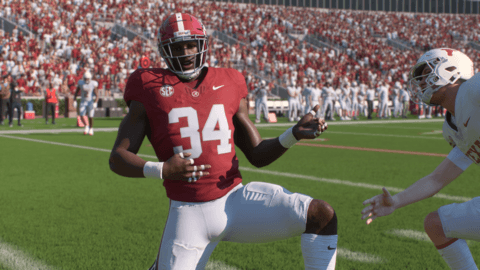
Expect an emphasis on reliable, high-margin franchises — primarily sports and live-service titles — because they deliver predictable recurring revenue. That could mean more resources for Madden and FIFA/EA Sports FC, and less for riskier single-player experiments or smaller internal studios. Conversely, a deep-pocketed owner could fund big single-player projects, but only if those projects fit a broader commercial strategy.
Actionable Steps for Gamers (Practical, No-Nonsense)
- Monitor the FTC docket and public comment period — regulatory filings can change deal terms or impose conditions that affect jobs and IP.
- Support developers: donate to union relief funds and amplify studio voices. Union health makes better games.
- Protect your access: back up saves where possible and track platform availability; ownership changes can affect live services and storefront decisions.
- Vote with your wallet selectively: pausing subscriptions like EA Play sends a financial signal, but weigh that against ongoing play preference.
From an enthusiast’s perspective I’m excited by the possibility of new investment into ambitious single-player projects — but skeptical. The structural incentives of debt and private ownership usually favor cuts, licensing plays, and centralized control, not creative risk-taking.
Final Read: Why This Is a Labor Story and a Gaming Story
This is both a labor fight and a cultural inflection point. If the FTC rejects the deal, it would be a win for worker power and a signal that gaming assets aren’t unconstrained playthings for global capital. If it goes through without safeguards, expect a reshaped EA: safer profits for owners, trickier conditions for creators, and a fan experience driven more by monetization than experimentation.
TL;DR
The CWA’s opposition to the $55B PIF-Affinity–Silver Lake bid for EA focuses attention on likely layoffs, studio consolidation, and anti‑labor risks. Gamers should watch the FTC process, support developers and unions, and be prepared for a possible company shift toward sports and live-service priorities. This deal will define how much financialized ownership can reshape the games we play.
FinalBoss // Gear
Level up your setup
01Top-rated gaming headsetson Amazon→02High-refresh gaming monitorson Amazon→03Gaming chairson Amazon→04Discounted game keyson Kinguin→Affiliate links · As an Amazon Associate, FinalBoss earns from qualifying purchases.
Want to Level Up Your Gaming?
Get access to exclusive strategies, hidden tips, and pro-level insights that we don't share publicly.
Ultimate Gaming Strategy Guide + Weekly Pro Tips