
Table of Contents (8)
Why EA’s Battlefield layoffs matter more than the sales headline
Seven million sales in three days and Game of the Year trophies didn’t stop EA from trimming staff across the four studios that now operate Battlefield. That’s the important part: commercial splash doesn’t equal a healthy live service, and EA’s cuts on March 9 are a blunt reminder that launch-day headlines are one thing and sustained player trust – and revenue – are another.
Key takeaways
- EA performed layoffs across Criterion, DICE, Ripple Effect and Motive as a “realignment,” but would not confirm numbers.
- Battlefield 6 sold ~7 million copies in three days and topped 2025 US sales, yet Steam concurrents plunged from a 747k launch peak to a recent ~67k daily peak.
- Player backlash over monetization, alleged AI-generated cosmetics, small maps and a delayed Season 2 have turned strong launch momentum into erosion.
- The cuts signal EA putting live‑service triage ahead of expansion – expect roadmap changes and sharper focus on conversion mechanics.
What’s really happening: a blockbuster launch masking live‑service rot
EA is telling the industry this is a “realignment” — the PR line companies use when they want to avoid admitting they misallocated resources. The inconvenient truth: Battlefield 6’s headline sales masked a fast‑moving attrition problem. Peak steam concurrent players were enormous at launch, but retention collapsed. Mixed Steam reviews, vocal complaints about monetization and cosmetic sourcing, plus underwhelming free‑to‑play spin‑offs like Redsec, turned what should’ve been momentum into a slow leak.
Live games live and die on engagement and monetization rhythm, not first‑week unit sales. EA plainly invested to win the launch war — big budget, multiple studios, massive marketing — but the business that follows a live launch is operational: seasons, live ops, content cadence, and conversion funnels. Players vote with hours spent and wallets opened; the numbers say they stopped voting.
The uncomfortable observation — this was predictable
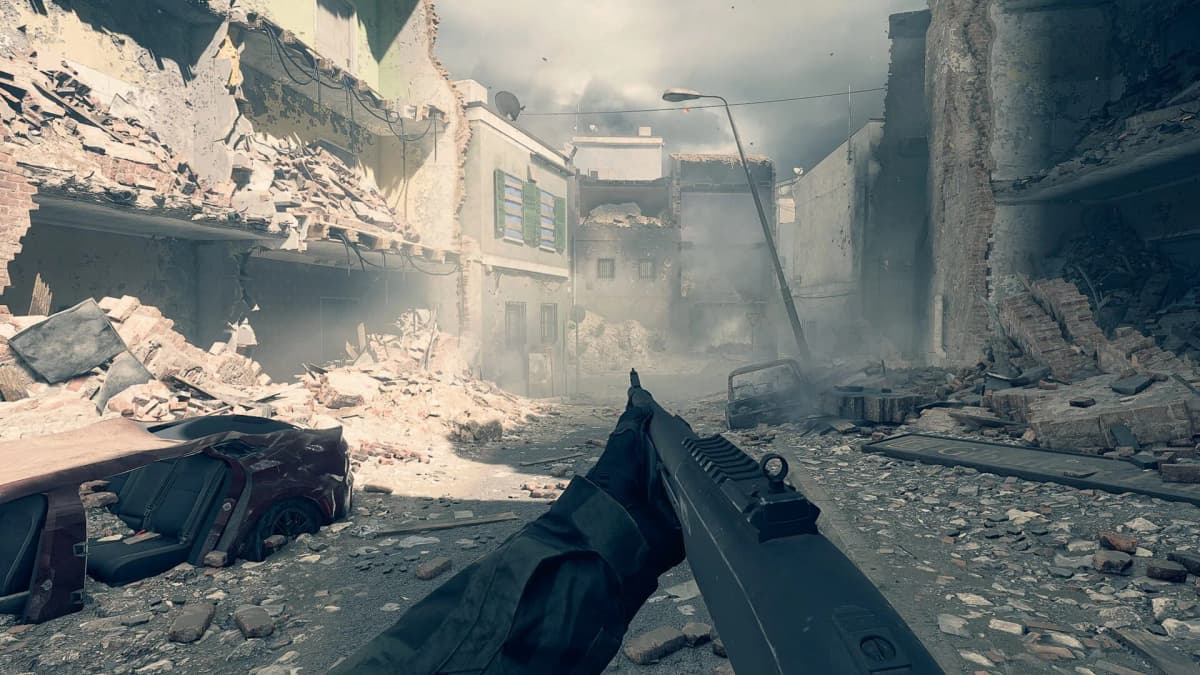
Call it hubris or misreading the market: Battlefield’s pivot toward faster TTK, smaller maps and Call of Duty‑style hooks earned players’ ire. Complaints about AI‑generated cosmetic assets and progression design weren’t niche — they fueled review swings and social-media pile‑ons that undermine buying confidence for live content. You don’t need a post‑mortem to see the pattern: launch success, slow drip of bad community signals, then cost cuts to re‑orient live teams. It’s exactly what studios have done after other high‑budget live flops.
The question EA hasn’t answered
Which roles were cut? That matters. If live ops, QA and community managers took the hit, expect slower fixes and muddled seasons. If designers and artists were reduced, future content will be thinner and more template‑driven. EA’s public line — “we’ve made select changes … to better align our teams around what matters most to our community” — is vague by design. Gamers and investors deserve to know whether this is a trim around the edges or a throttle on future content.
Why this won’t just be a bump in the road
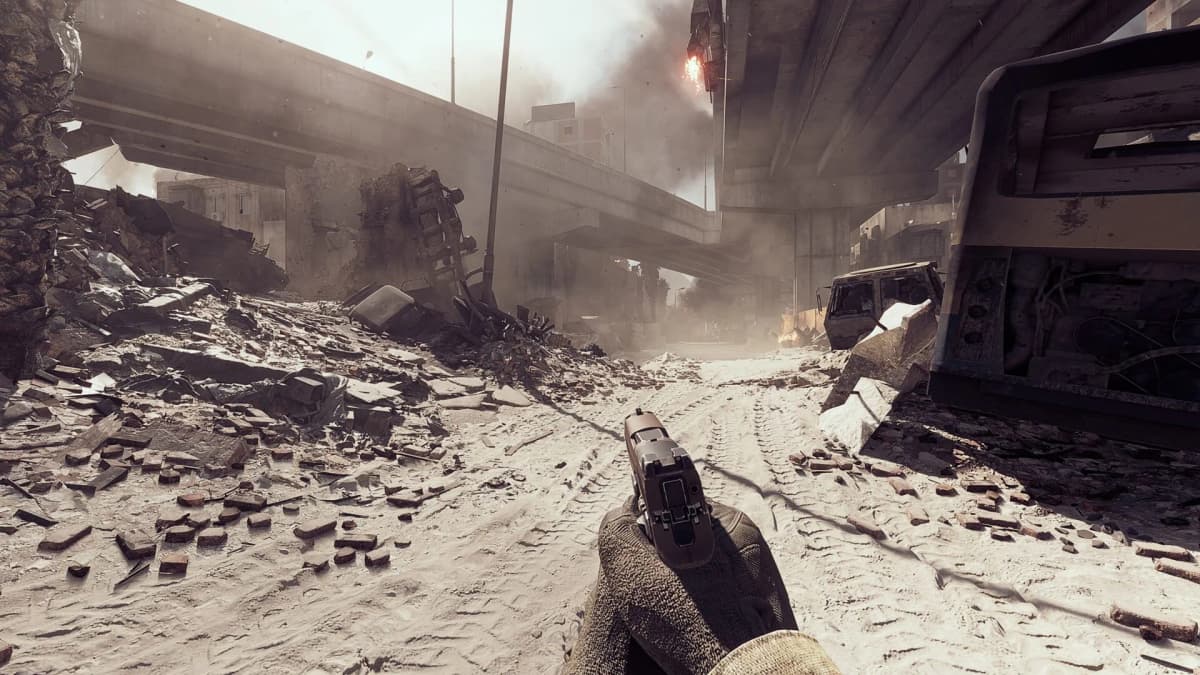
Battlefield Labs was sold as a way to fix problems fast by listening to players. But Labs can’t rebuild broken trust overnight, nor can it conjure back players once peak concurrency collapses and reviews sour. The delayed Season 2 and mixed reception of Redsec suggest the friction set in months ago. Cutting staff now is an admission that the current structure isn’t delivering — it’s repositioning resources for damage control, not growth.
What to watch next (concrete signals)
- Season 2 delivery: EA has said the layoffs won’t stop the roadmap, but check whether the delayed Season 2 ships on its revised date and with promised features intact.
- Conversion metrics on Redsec and in‑game stores: Are paid conversions improving after content tweaks? Public signals will be indirect (sales ranks, microtransaction chatter) but telling.
- Steam concurrent trend: a sustained rebound toward 200k+ concurrents would be a real recovery signal; continued sub‑100k peaks mean deeper trouble.
- PIF acquisition timeline (Q2 2026 window): the pending investor deal could change appetite for further restructuring — or accelerate it.
If I were speaking to EA’s PR rep I’d ask one thing: which teams were cut and why — not the corporate buzzword answer, but the concrete roles. That one detail will tell you whether Battlefield is being patched or being quietly pared back.
TL;DR
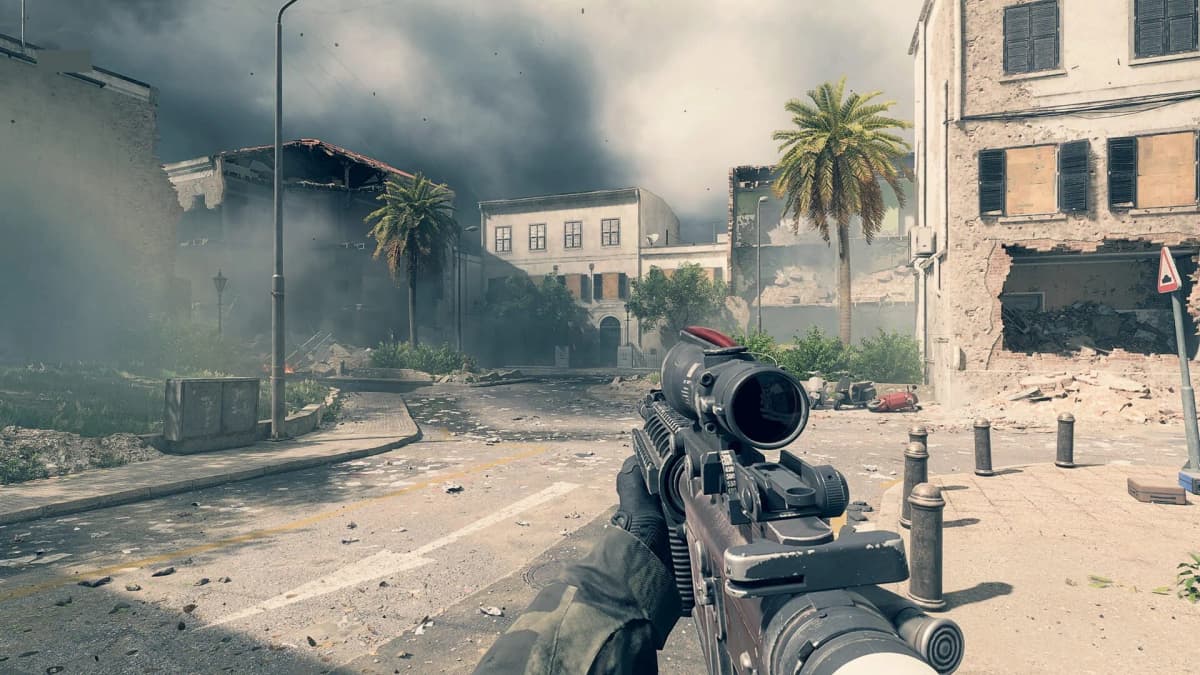
EA laid off staff across the four Battlefield studios despite Battlefield 6’s record launch. The move exposes that post‑launch retention, monetization, and live‑service delivery — not sell‑through — are the real battleground. Watch Season 2’s execution, conversion in Redsec, and whether player counts rebound; those metrics will show if this is a reset or the start of real retrenchment.
FinalBoss // Gear
Level up your setup
01Top-rated gaming headsetson Amazon→02High-refresh gaming monitorson Amazon→03Gaming chairson Amazon→04Discounted game keyson Kinguin→Affiliate links · As an Amazon Associate, FinalBoss earns from qualifying purchases.
Want to Level Up Your Gaming?
Get access to exclusive strategies, hidden tips, and pro-level insights that we don't share publicly.
Ultimate Gaming Strategy Guide + Weekly Pro Tips