
Game intel
skate.
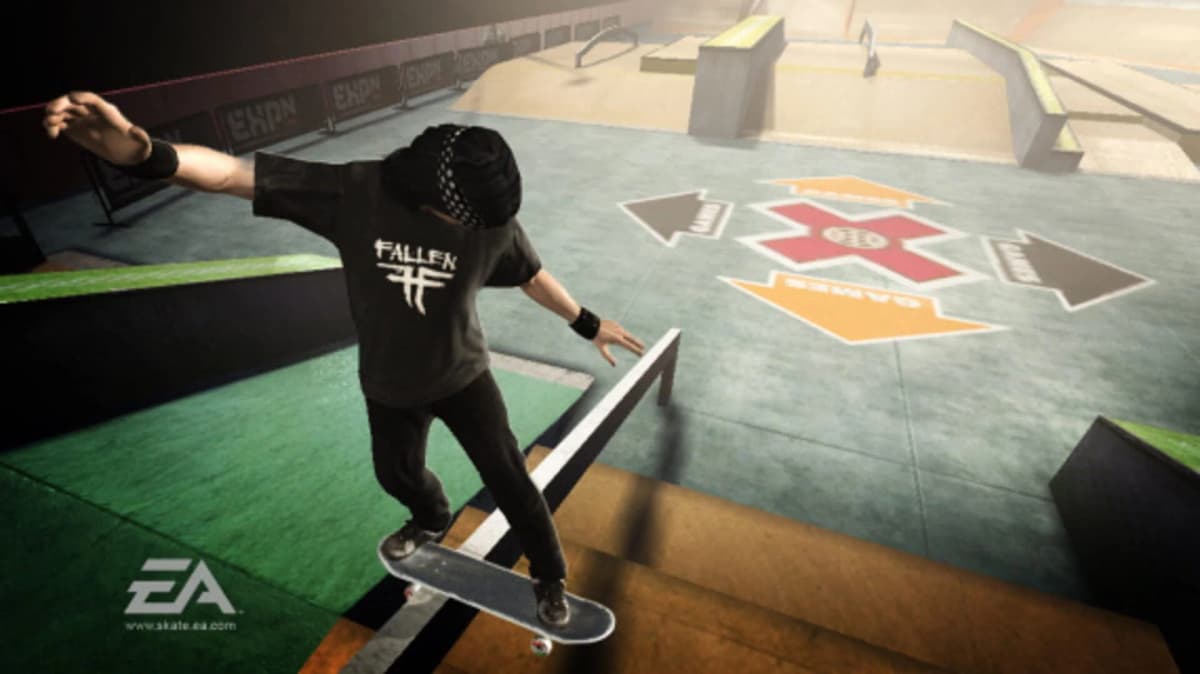
SKATE delivers the feel of skating through innovative controls, authentic cameras and a fully reactive skateboarding city. The game features professional skate…
Electronic Arts and Full Circle will reveal the early access date for skate. during a livestream on August 26 at 18:00 CEST. As someone who spent way too many late nights bailing face-first in Skate 2 and building parks in Skate 3, this caught my attention because we’re not just getting a sequel; we’re getting a free-to-play, always-online reboot aiming to run on PC, PlayStation, Xbox and even mobile. That’s ambitious. It’s also exactly where things can go very right-or very wrong-for a beloved series that built its reputation on feel, not FOMO.
Here’s the shape of it: skate. enters early access ahead of a full 1.0 launch planned for 2025, with the team promising a connected, persistent San Vansterdam where players build, session, and show off across platforms. If you’ve followed the closed playtests and dev updates, you’ll know Full Circle’s north star has been a social skate sandbox—drop-in sessions, shared spots, and creation tools mixed with modern online systems like cross-progression. That’s a very 2025 take on a franchise that used to be proudly offline-friendly, and it explains why they’re leaning on early access to iterate in public.
Let’s be blunt: “free-to-play” is both a blessing and a warning label. A lower barrier means a bigger community, which is great for a sport that thrives on sharing lines and hyping bails. But it also means the economy has to be sticky. EA says no loot boxes and no pay-to-win—that’s the bare minimum. What matters is how aggressive the cosmetic grind gets, how tasteful the shop is, and whether seasonal drops respect players’ time. Apex Legends is EA’s best-case playbook here: battle passes with predictable value, no gameplay pressure. Worst case? A drip-feed of overpriced cosmetics wrapped in time-limited FOMO. If the coolest decks, shoes, and emotes live behind weekly timers, the vibe dies fast.
Online-only is the other friction point. The Skate series used to be perfect for zoning out, perfecting a line alone, controller in hand, no server handshake required. Taking that away means Full Circle has to nail uptime, netcode, and server locations from day one. If you can’t practice a manual-to-360 flip because the servers hiccup, nobody’s sticking around. I get the need for an anti-cheat layer and shared economy integrity, especially on PC, but at least offer an offline practice space if the social layer has issues. We’ll see if that’s even on the table.
Forget the store—skate. lives or dies on feel. The series earned its fans with the “flick-it” control scheme, that tactile snap of a nollie 360 heelflip when your thumbs sync with the physics. Session and Skater XL catered to sim purists, while Tony Hawk’s Pro Skater 1+2 reminded everyone what arcade flow looks like. skate. has to thread the needle: grounded physics with just enough forgiveness to make spontaneous street lines possible. That means predictable board response, readable foot placement, clean reverts and powerslides, and camera work that sells speed without exaggeration. If the board feels floaty or inputs have online latency, all the cross-play in the world won’t save it.
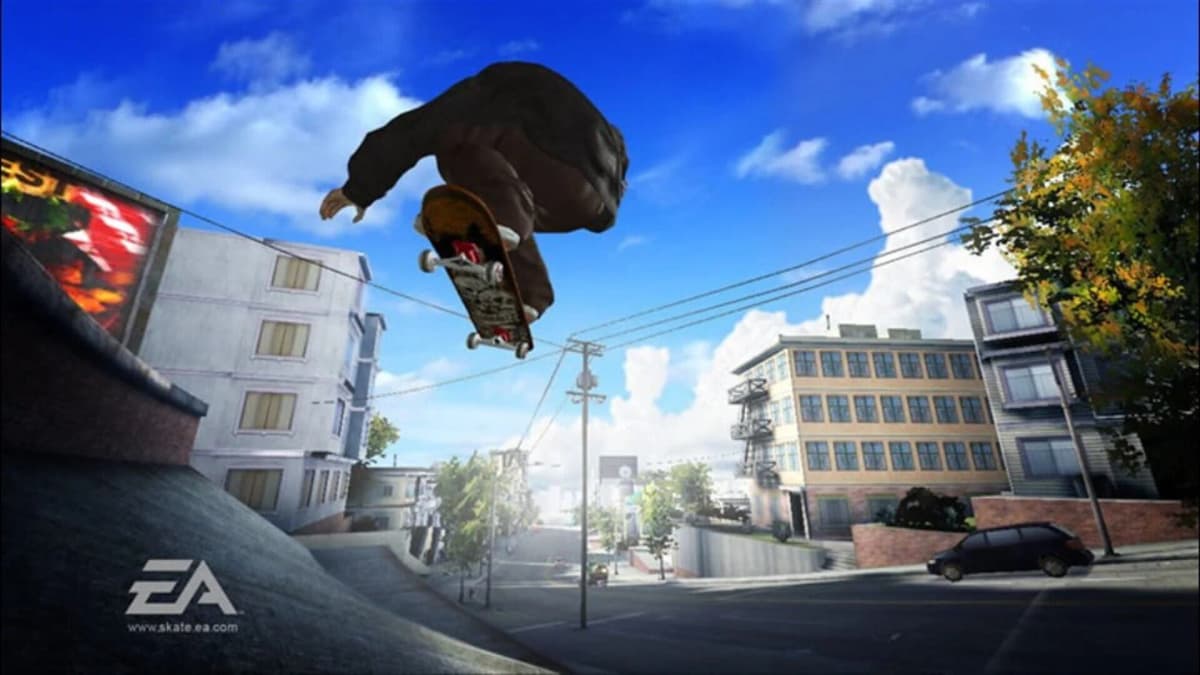
Creation tools could be the secret weapon again. Skate 3’s Park Creator kept the community thriving for years. If skate. delivers easy-to-use spot building, collaborative edits, and robust sharing, we’ll get a never-ending feed of new lines to session. The livestream needs to show this in action, not just buzzwords—load times, object limits, moderation, and how fast you can jump from building to landing a line with friends.
Bringing skate. to PC is overdue and exciting—high framerate, responsive inputs, and creator culture are a natural fit. But PC also means anti-cheat headaches, input fragmentation, and the need for proper deadzone controls, rebinding, and gyro or raw input options. If Full Circle nails 120Hz-plus support with minimal input latency, that’s a massive win. If they don’t, the community will know immediately.
Mobile is the wildcard. Touch controls can work for skate games—we’ve seen clever virtual stick interpretations—but translating the nuance of flick-it to a phone is a challenge. If mobile is treated as a complementary platform with cross-progression for quick dailies and social browsing, fine. If the economy bends around mobile spending habits, that’s where longtime fans will bounce.
skate. finally gets an early access date on August 26’s stream. The pitch—free-to-play, online-only, cross-platform—could build a huge community if the board feel, servers, and fair cosmetics land clean. I’m hyped to session San Vansterdam again, but I’ll be judging the economy and input response as hard as any kickflip.
Get access to exclusive strategies, hidden tips, and pro-level insights that we don't share publicly.
Ultimate Gaming Strategy Guide + Weekly Pro Tips