
Is The Sims’ Soul in Jeopardy After EA’s $55B Buyout?
Game intel
The Sims (Series)
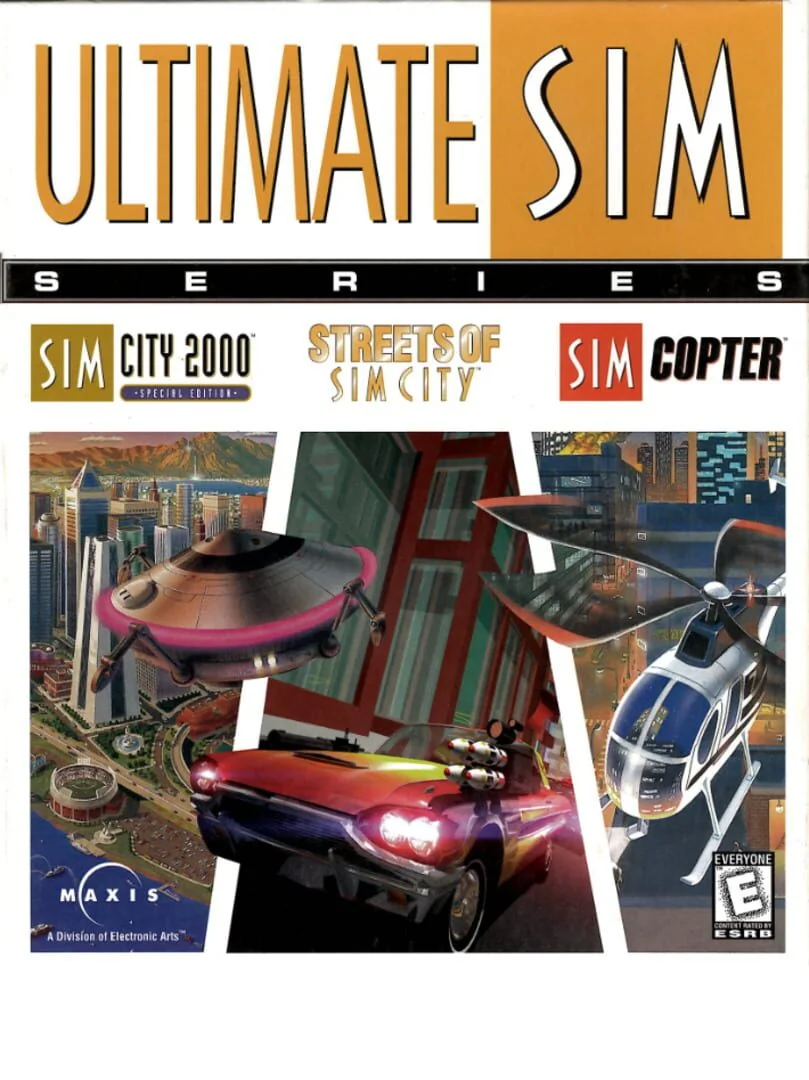
This is a collection of 3 Maxis titles bundled together: SimCity 2000: Special Edition, Streets of SimCity, and SimCopter.
Why This Story Matters to Sims Players
I’ve played The Sims long enough to remember when “woohoo” was a cheeky blur and same-sex romance was just part of life in the game. That’s why EA’s recent $55 billion buyout—led by Saudi Arabia’s Public Investment Fund and Jared Kushner’s Affinity Partners—and the subsequent walkouts from EA’s Creator Network hit home. The Sims has always stood for player-driven self-expression and inclusive representation. With EA going private and new stakeholders onboard, creators are asking a clear question: does The Sims stay The Sims under this new ownership?
- A former Sims creative director says representation is “existential” to both the series’ heart and bottom line.
- Controversial investors in the buyout prompted several top creators to leave EA’s Creator Network.
- Maxis insists its mission and values “remain unchanged,” but trust will depend on future updates and policies.
- The real test: whether The Sims continues as an open canvas for identity, sexuality, and creativity without compromise.
Breaking Down the Buyout
Once the deal closes, EA will no longer trade on the stock market. Instead, control shifts to a consortium led by the Saudi Public Investment Fund, Silver Lake, and Affinity Partners. That mix alone raised alarm bells among Sims fans, given the franchise’s long-standing embrace of LGBTQ+ players and diverse identities. In response, several prominent creators exited EA’s Creator Network for The Sims 4, calling the takeover a potential “nightmare for our community.”
From a Former Creative Director
In an October 2025 interview with IGN, Charles London—creative director on The Sims 2 and multiple spin-offs—underscored what’s at stake. He called The Sims “a medium of self-expression,” adding that a mainstream brand asserting “love is love and people are people” isn’t just moral positioning; it’s “existential to the business” because it makes the game “universally appealing.” London emphasized that The Sims is intentionally agnostic: “It should be a faithful canvas for every story—sexuality, body image, race, careers, the whole spectrum of life.”
The Sims’ Inclusive DNA
The magic of The Sims has always been in letting players define themselves. From same-sex relationships in early titles to The Sims 4’s detailed pronoun options, sexual orientation sliders, trans-inclusive binders and top-surgery scars, hearing aids, and birthmarks—the series has expanded its toolkit every year. Even cheeky features like “woohoo” exist to normalize adult life in a playful way, as London noted.
On the business side, inclusivity is more than a buzzword; it’s the engine driving The Sims 4’s free-to-play transition in 2022 and its robust DLC ecosystem. Players invest in expansions, game packs, and Kits because they want in-game closets and build tools that mirror their real-world identities. Lose that creative freedom, and that revenue model falters. As London put it: representation isn’t optional; it’s existential.

Risks of Private Ownership
Going private under controversial investors offers EA freedom from quarterly earnings pressure but comes with downsides. Transparency could shrink, and subtle cultural shifts—like quietly shelving LGBTQ+ content or trimming body-positive sliders—might go unnoticed until it’s too late. Fans worry that “death by a thousand cuts” in updates would erode the game’s core values without any dramatic announcement.
Then there’s Project Rene, the next Sims experience teased with cross-platform play and a live-service model. It could amplify creative freedom by embracing mods and custom content—the community’s lifeblood. Or it might become a walled garden, favoring official monetization and sanitizing player expression to appease partners. The recent Creator Network walkout sends a warning: preserve the canvas or risk losing the artists who fuel your culture.

Want to Level Up Your Gaming?
Get access to exclusive strategies, hidden tips, and pro-level insights that we don't share publicly.
Ultimate Gaming Strategy Guide + Weekly Pro Tips
What Gamers Should Watch Next
- Feature continuity: Are orientation settings, pronouns, and inclusive Create-A-Sim items still expanding?
- Content spotlight: Do diverse families and stories remain front-and-center in trailers and key art?
- Mod and CC policy: Will new restrictions emerge, or will official tools empower community creators?
- Creator relations: Do protesting creators return once specific assurances are made, or does the talent drain continue?
- Project Rene transparency: Are there clear roadmaps on expression, moderation, and monetization before launch?
Conclusion
Maxis has earned trust through decades of player-first choices, but words must become action. If representation is truly existential, it needs to appear in patch notes, new Kits that celebrate real bodies and identities, and policies that empower—rather than muzzle—modders. This is the moment for Maxis to prove that The Sims’ soul remains intact.
TL;DR
A former Sims creative director says representation isn’t optional; it’s the series’ beating heart and business model. With EA going private under controversial investors and creators protesting, Maxis’ promise to keep values unchanged needs proof in updates, content, and policies. The test is simple: keep The Sims a true, agnostic canvas—or risk losing what made it universal.