
Echo Generation 2 goes full deckbuilder in 2026 — here’s why that’s a big swing
Game intel
Echo Generation 2
Embark on a sci-fi deckbuilding RPG odyssey. Gather your crew, craft powerful decks, and battle across the stars to find your way home. Deal the cards. Defy th…
Echo Generation 2’s combat pivot is the real headline
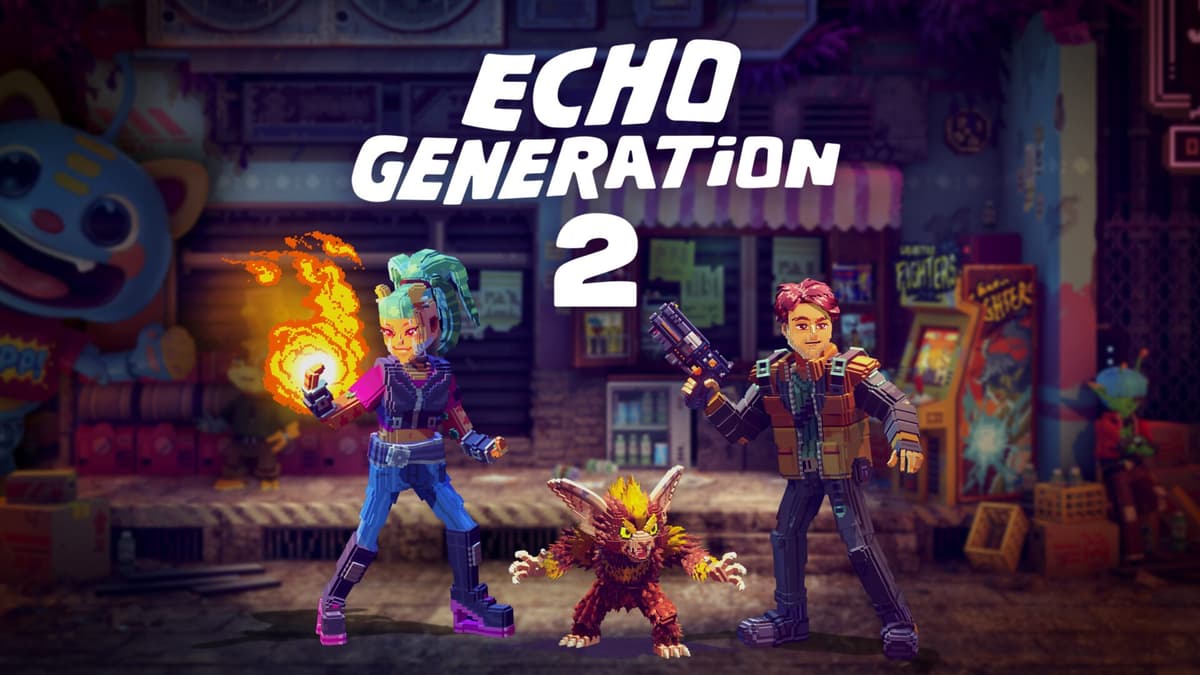
Echo Generation 2 is ditching its traditional turn-based battles for a dynamic deckbuilder with 100+ cards, and that instantly changes how this series plays. Revealed at the Xbox Partner Preview, Cococucumber’s award-winning indie returns in 2026 on PC and Xbox with its nostalgic 80s/90s voxel vibe intact, but the sequel follows Jack into a strange dimension and clearly aims bigger on systems and story. This caught my attention because the first Echo Generation’s charm lived alongside some spiky difficulty; a deckbuilder could give the team finer control over pacing, synergy, and balance-or it could get buried under RNG and grind if it’s not tuned carefully.
Key takeaways
- Major combat overhaul: classic turn-based is out; a 100+ card deckbuilder is in.
- Same nostalgic voxel look, new cosmic stakes as Jack explores a surreal dimension.
- Coming to PC and Xbox in 2026; revealed during the Xbox Partner Preview showcase.
- The big question: smart synergy and story integration, or card-draw chaos and grind?
Breaking down the announcement
Cococucumber’s pitch is straightforward: Echo Generation 2 evolves the formula with a deck system that should add flexibility and expressive play styles. The studio says there are 100+ cards to collect and use, suggesting builds that lean into offense, defense, utility, or weird dimension-bending tricks. The story centers on Jack-no longer the plucky kids on bikes vibe of the original-thrust into a bizarre realm that keeps the series’ suburban-meets-cosmic energy but filters it through a different lens. If Cococucumber can carry over the playful tone and punchy humor from Echo Generation while widening the scope and tightening combat, that’s a compelling step up.
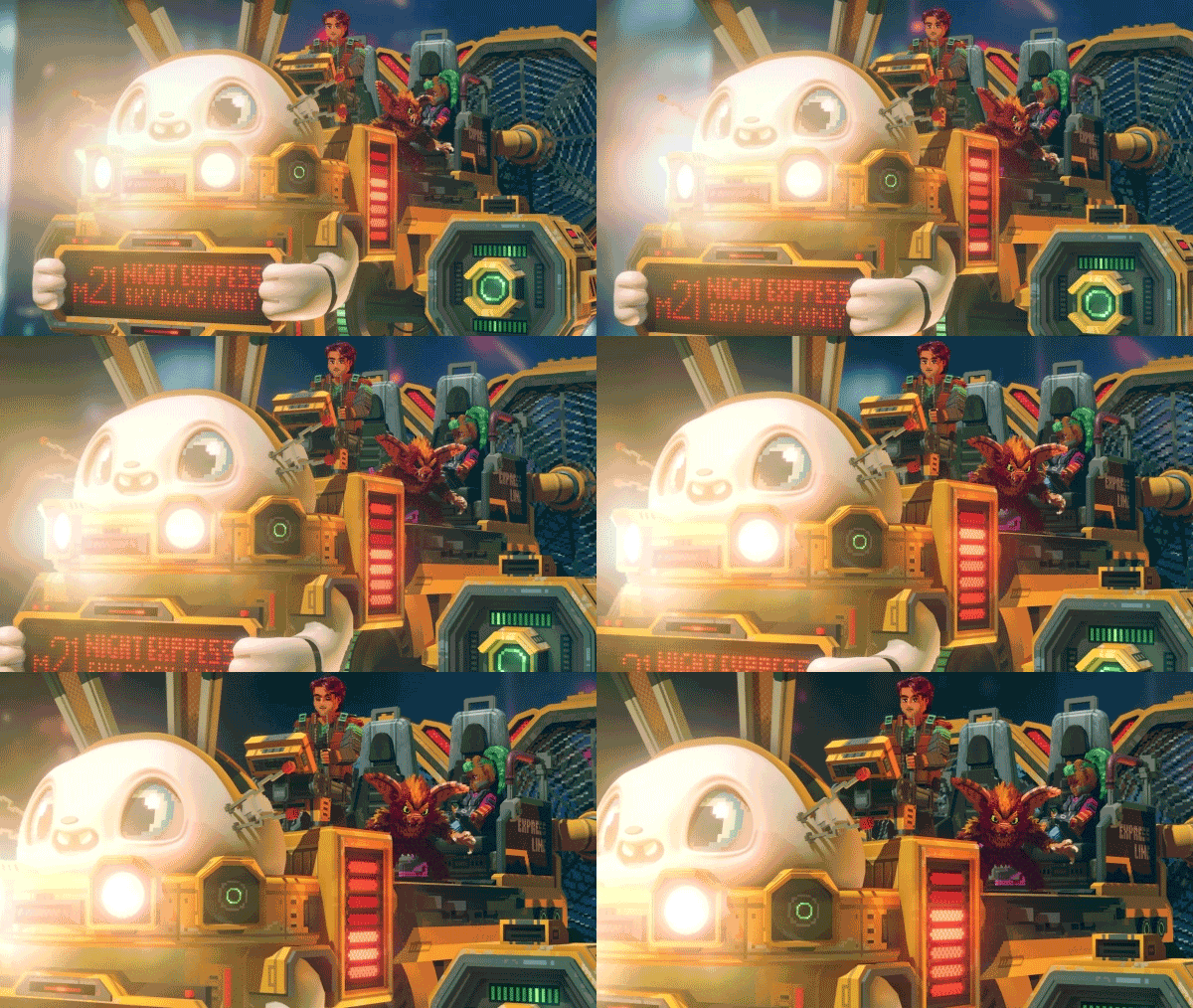
Visually, Cococucumber knows this space. From Riverbond to Ravenlok, the team keeps finding new ways to make voxels look stylish rather than gimmicky. Echo Generation already nailed that VHS-era aesthetic: chunky neighborhoods, neon nights, synthy vibes. Expect Echo Generation 2 to push lighting and mood further, especially with the strange-dimension angle—think warped cul-de-sacs, cosmic backrooms, and hostile playgrounds that feel both familiar and wrong.
The real story behind the deckbuilder pivot
As someone who binges deckbuilders from Slay the Spire to Marvel’s Midnight Suns, this move makes sense. Deck systems can solve issues the first game had—namely difficulty spikes and a few grindy stretches—by letting players sculpt their toolset. A well-built deck lets you answer specific enemies and encounters without running in circles for XP. It also supports skill expression: clever sequencing, hand management, and tech choices can win fights that raw stats won’t.
But the flip side is that card games can become hostage to luck. Without smoothing mechanics—mulligans, card draw manipulation, or search effects—players can be punished for building anything but the most consistent meta deck. The best deckbuilders fight RNG with tools that reward planning over praying. If Echo Generation 2 gives players ways to curate their decks and sculpt their draws, the combat will sing. If it leans on random unlocks or stingy drop rates, expect frustration.
There’s also the narrative question. Echo Generation stood out because its story carried real heart beneath the nostalgia. Deckbuilders sometimes fragment pacing—great for run-based roguelites, awkward for a linear story. Cococucumber is promising expanded storytelling, so the trick will be stitching deck progression into narrative beats. Midnight Suns threaded this needle with relationship systems and downtime; Echo Generation 2 could do something similar with character-focused card unlocks or story-driven deck evolutions tied to Jack’s journey.
Want to Level Up Your Gaming?
Get access to exclusive strategies, hidden tips, and pro-level insights that we don't share publicly.
Ultimate Gaming Strategy Guide + Weekly Pro Tips
What gamers need to know (and what I’ll be watching)
This isn’t a minor sequel; it’s a pivot. If you loved Echo Generation for the vibes and strange suburban sci-fi, that looks intact. If you came for its old-school turn-based rhythm, recalibrate: card play will define the moment-to-moment. That could be great—more build variety, more tools, fewer spikes—provided Cococucumber respects your time and keeps the grind to a minimum.
- Card acquisition and progression: Are cards unlocked via exploration and quests, or gated behind random drops? Clear, targeted unlocks will beat lootbox vibes every time.
- RNG smoothing: Mulligans, scry, or draw manipulation are essential so deck identity matters more than luck.
- Encounter design: Deckbuilders thrive on tailored puzzles—enemies that test different strategies rather than HP sponges.
- Pacing and story: Expanded storytelling works best if card upgrades feel like character growth, not just numbers going up.
- Platform clarity: It’s confirmed for PC and Xbox in 2026; no word on other platforms right now.
One smart angle would be ally cards that reflect relationships Jack forms in this strange dimension—turning narrative choices into tactical tools. The original game had a knack for quirky companions; expressing those personalities as cards with unique synergies could unify story and combat in a way that feels very Echo Generation. And please: let’s keep difficulty spicy but fair. The first game’s spikes were memorable, not always in a good way.

Looking ahead to 2026
With a 2026 window, Cococucumber has time to iterate. A playable demo showcasing how the deckbuilder paces a full chapter would go a long way toward easing concerns about RNG and grind. The studio’s track record suggests they’ll deliver on style; the question is how deep and flexible the systems go. If the 100+ cards are thoughtfully curated—with meaningful archetypes rather than filler—Echo Generation 2 could be one of the few narrative-forward deckbuilders that lands with both indie fans and tactics nerds.
TL;DR
Echo Generation 2 swaps classic turn-based combat for a 100+ card deckbuilder, aiming to solve old difficulty spikes with new flexibility. The voxel nostalgia is back, the story’s bigger, and it hits PC and Xbox in 2026. If Cococucumber nails RNG smoothing and story integration, this could be the studio’s boldest, best game yet.