
Echoes of Mora demo update makes VR swimming feel right
Game intel
Echoes of Mora
Embark on a mysterious journey, filled with intriguing interactions and meaningful encounters, as you explore a sunken village and travel through time to help…
Why This Update Actually Matters
Underwater movement is one of VR’s biggest headaches. Get it wrong and you’re queasy; get it right and you’re weightless and free. That’s why Selkies Interactive’s major Echoes of Mora demo update caught my attention: they’ve rebuilt VR swimming to use motion-direction and velocity tracking, aiming for smoother diving that follows how you actually move your arms. Coming off the game’s Gamescom 2025 showing, this reads like a team listening to players and tackling the hardest problem first.
Key Takeaways
- VR swimming now uses motion-direction and velocity tracking for more natural strokes and smoother dives.
- PC/VR mode switching lets you jump between flat and VR play without a relaunch, which is huge for comfort and testing.
- Six new localizations and fresh accessibility options widen the audience well beyond VR diehards.
- Visual tweaks improve readability and vibe, but the core is still a narrative, puzzle-first experience.
Breaking Down the Update
Motion-direction and velocity tracking sounds like jargon, but here’s the gamer version: the game now reads the direction of your strokes and how fast you move to determine your momentum. Instead of “head points, body goes” (which can feel like a helicopter attached to your face), you’re actually swimming. If you’ve tried Lone Echo’s zero-G locomotion or even Kayak VR’s tactile paddling, you know how selling the fantasy through your hands can reduce nausea and increase immersion.
The risk? Arm fatigue and inconsistency. Not everyone wants a workout just to reach a time portal. The win would be a system that respects your strokes but adds a gentle assist-something that lets you glide after a few motions rather than windmilling the whole way. Selkies says the new system smooths diving, which sounds like there’s some invisible assistance kicking in. The real test will be comfort over a 30-60-minute session.
PC/VR mode switching is the underrated headline. Plenty of us play narrative exploration games both ways: VR when we’re feeling fresh, flat-screen when we just want to chase a puzzle thread on the couch. If Echoes of Mora can swap modes without quitting to desktop, that’s a quality-of-life upgrade most indies skip. It also means creators can capture footage and test settings faster, which usually leads to better polishing.
Accessibility options and six new localizations are the other big adds. The studio hasn’t listed every toggle, but in VR land, “accessibility” often means more comfort sliders (vignettes, acceleration smoothing), readable UI, and input flexibility. Even basic changes-bigger subtitles, high-contrast interactables-matter in a waterlogged environment where visibility can suffer by design. Localization support is smart timing ahead of full release: narrative games live or die on comprehension.
The Real Story Behind the Hype
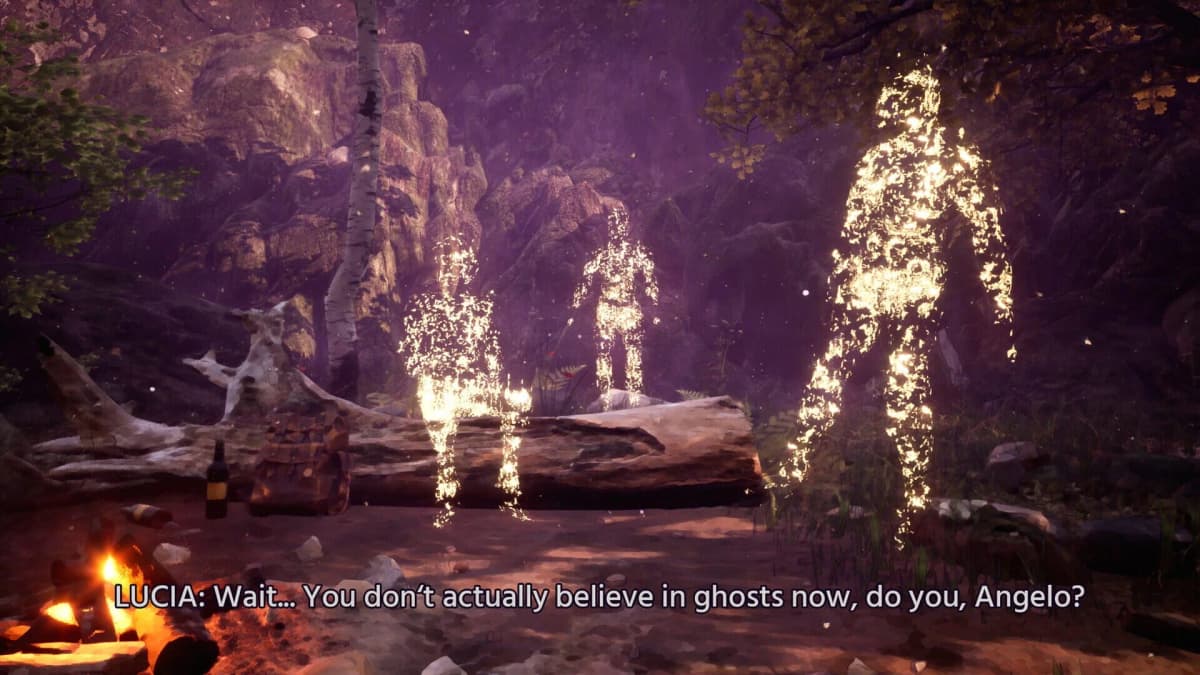
Echoes of Mora is a narrative underwater adventure about two siblings separated by a catastrophic flood, built by a small Berlin team. If you tried the earlier demo, you know the vibe: cozy melancholy, neon-highlighted interactables, and “Echoes” time portals that surface past moments to drive puzzles. It’s less Subnautica survival, more Abzû meets a story-driven walking (swimming) sim with approachable puzzles like reassembling statues and decoding names from found letters.
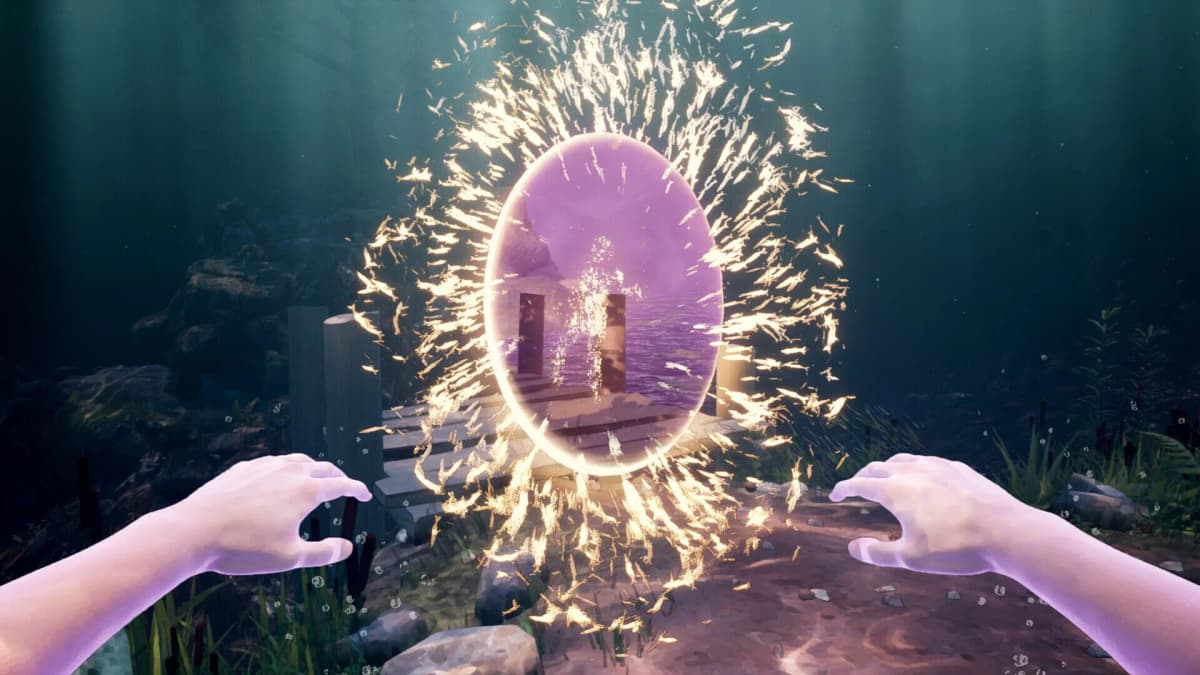
Underwater traversal has humbled bigger studios than Selkies. Freediver: Triton Down was atmospheric but nausea-prone. Subnautica’s unofficial VR mod is legendary, also leg-wobbling. Phantom Covert Ops solved motion comfort by sitting you in a kayak—smart, but not swimming. Mora’s pitch is braver: embrace swimming, but make it comfortable. If their new motion-direction system sticks, it could be a template for other indies trying to do water in VR.
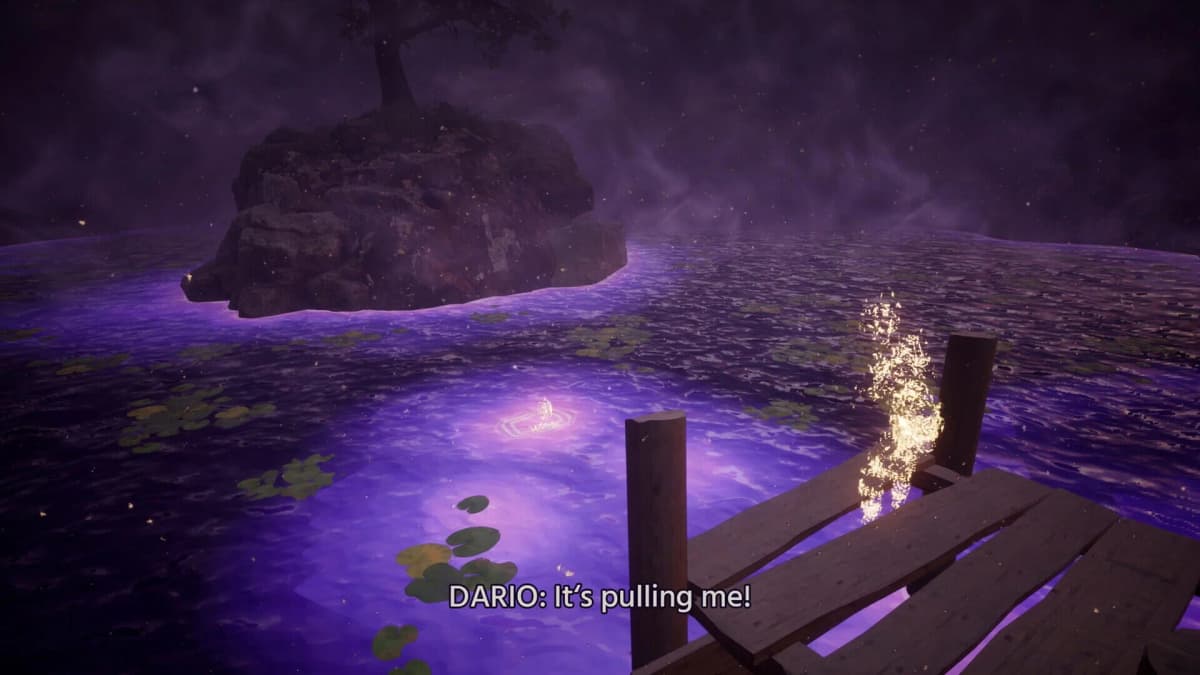
I also appreciate the timing. Post-Gamescom updates that tackle core feel—rather than just tweaking lighting—usually mean the devs heard the feedback loud and clear. The visual passes will help; underwater games live and die by clarity, and the demo’s purple interactable glow was already doing work. But feel comes first. If traversal stops being a chore, the story beats in those Echoes have room to breathe.
Want to Level Up Your Gaming?
Get access to exclusive strategies, hidden tips, and pro-level insights that we don't share publicly.
Ultimate Gaming Strategy Guide + Weekly Pro Tips
What Gamers Need to Know
- The demo on Steam supports both flat PC and PC VR; the update focuses on making VR swimming intuitive, with smoother diving.
- Mode switching means you can bounce between VR and non-VR mid-session. That’s perfect for motion-sensitive players or mixed setups.
- Accessibility and localization upgrades make this less “VR experiment” and more “playable by almost anyone.” Good sign ahead of launch.
- If you’re here for crushingly hard puzzles, temper expectations—the design leans narrative and discovery over brain-burners.
- Hardware-wise, expect standard VR demands; flat mode is fully viable if you don’t own a headset.
My advice after update day one: try a short VR swim first to dial in comfort, then swap to flat play to chase clues without fatigue. When the world and story click, jump back into VR for the signature moments—descending into darker caverns, approaching an Echo and watching the past shimmer into view. That’s where the swimming changes should shine.
Looking Ahead
Selkies is making the right moves: fix locomotion feel, expand access, and polish readability. What I still want before 1.0: granular comfort sliders, seated and standing parity, left-handed friendliness, and a way to maintain speed without constant stroking. If those are in (or coming), Echoes of Mora has a real chance to be the rare underwater VR game that people recommend without caveats.
TL;DR
Echoes of Mora’s demo update tackles VR’s hardest challenge—swimming—and comes away looking confident, with motion-direction and velocity tracking that should feel natural. Add instant PC/VR switching, new accessibility options, and six localizations, and this narrative dive just got a lot more inviting. If locomotion comfort holds up over time, Selkies might have cracked the code.