
Table of Contents (8)
The Real Story Behind Nightreign’s DLC, Elden Ring on Switch 2, and The Duskblood
Kadokawa’s latest financial update tucked a few important nuggets for FromSoftware fans: Elden Ring Nightreign is getting a DLC before the end of the fiscal year (by March 31, 2026) “to support multiplayer viability,” the Elden Ring Switch 2 version-recently delayed-remains in the pipeline, and FromSoftware has The Duskblood slated for 2026. This caught my attention because that “support multiplayer viability” line says more than any cinematic trailer: Nightreign’s co-op ecosystem needs fresh fuel, and FromSoftware is planning to deliver it on a schedule that lines up with keeping the player base engaged into 2026.
Key Takeaways
- Nightreign DLC is due by March 31, 2026, framed specifically to bolster multiplayer longevity.
- Elden Ring’s Switch 2 version is delayed but still coming-performance and controls will make or break it.
- FromSoftware also targets 2026 for The Duskblood, raising pipeline questions but showing confidence in a busy release cadence.
- Expect practical updates (matchmaking, endgame loops) alongside new areas and bosses—otherwise “viability” won’t move the needle.
Breaking Down the Announcement
Financial reports are rarely sexy, but they’re honest in a way marketing isn’t. Saying the Nightreign DLC exists to “support multiplayer” is basically admitting what players feel: the co-op loop needs new oxygen. Nightreign’s base is a blast with friends when the stars align, but if your repeatable endgame starts to feel thin or meta-stale, you see lobbies empty and Discord servers drift. A paid expansion landing before the end of the fiscal year is classic FromSoftware timing: big content beat, mechanical refresh, and a reason to reinstall.
What does that actually look like? If you’ve played Nightreign’s co-op for dozens of hours (guilty), you know the wish list by heart: fewer connection gremlins, faster matchmaking, more build diversity that doesn’t just buff one or two busted setups, and arenas or dungeons that actually lean into team synergy rather than solo-first layouts with extra hit points slapped on enemies. If the DLC is only new bosses and a map chunk, it’ll sell, sure—but it won’t fix the long-term loop. The wording suggests systemic attention, not just spectacle.
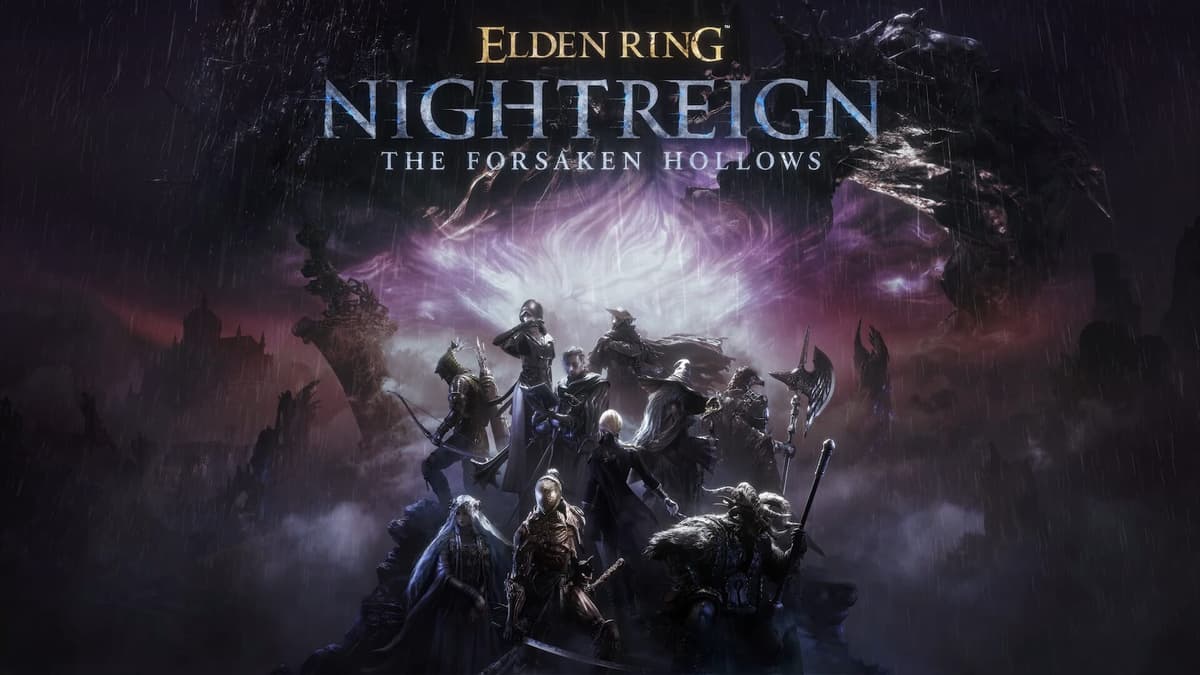
What Nightreign’s DLC Needs to Deliver
- New endgame loops with reasons to revisit content: rotating challenges, faction tracks, or weekly modifiers that change encounter pacing.
- Healthier PvE/PvP balance: tweak the outliers without gutting fun; add soft counters so more builds are viable in co-op and invasions.
- Netcode and matchmaking polish: better region options, improved reconnect behavior, and smarter party-finder filters (role tags would be a dream).
- Co-op-first level design: dungeons with forks that reward coordination, environmental mechanics that encourage role differentiation, and bosses tuned for duo/triad playstyles—not just a HP sponge.
FromSoft usually nails the “new enemy types and a couple of jaw-drop bosses” part. The real question is whether they’ll commit to the less glamorous fixes that keep a multiplayer game alive in month four, not just week one.
Elden Ring on Switch 2: Set Your Expectations
The Switch 2 port of Elden Ring being delayed isn’t shocking; it’s smart. If you remember Dark Souls Remastered on Switch, it was a respectable 30fps compromise that worked in handheld but felt rough docking to a big screen. Switch 2’s extra horsepower should make a proper current-gen downport feasible, but everyone should temper expectations: stable performance and smart control tweaks (gyro aiming for bows and incantations could help, as would UI scaling for handheld) matter more than chasing 60fps marketing bullets. If FromSoft nails frame pacing and loading, this version could breathe fresh life into the Lands Between on the go—and that’s worth the wait.
The Duskblood in 2026: What That Signals
With The Duskblood targeting 2026, FromSoftware is clearly keeping its multi-track pipeline humming. After the Elden Ring era and a return to mecha with Armored Core VI, the studio’s cadence looks like one tentpole, one surprise pivot, repeat. We don’t know whether The Duskblood is new IP or a lateral setpiece in the broader FromSoft mythos, but the timing raises the usual question: can the studio staff up without diluting the “tight design, brutal clarity” feel? Historically, FromSoft has managed parallel projects by assigning distinct leads and tones (Sekiro’s parry-first DNA versus Elden Ring’s open build sandbox). If they maintain that separation, 2026 could be a very good year.

Why This Matters Now
2025-2026 is stacked, and attention is the rarest currency in gaming. If Nightreign’s DLC lands with meaningful co-op systems, it can hold its lane against the heavy hitters arriving next year. If it’s just “more stuff,” the population spike will fade fast. Watch for a network test, details around cross-play, and whether the DLC rethinks reward cadence. Also keep an eye on the Switch 2 port’s performance targets, and how The Duskblood gets revealed—tone and combat philosophy will tell us if it’s a Sekiro-style surgical strike or another sprawling sandbox.
TL;DR
Nightreign’s DLC is coming by March 31, 2026, and it’s being positioned to keep the multiplayer alive—so expect more than just new bosses. Elden Ring’s Switch 2 version is delayed but still on the way, where performance matters more than buzzwords. And with The Duskblood set for 2026, FromSoftware’s pipeline looks busy, assuming they deliver the polish and systems that keep players logging in after the honeymoon week.
FinalBoss // Gear
Level up your setup
01Best-selling Switch 2 gameson Amazon→02Switch 2 accessorieson Amazon→038BitDo controllerson Amazon→04Discounted game keyson Kinguin→Affiliate links · As an Amazon Associate, FinalBoss earns from qualifying purchases.
Want to Level Up Your Gaming?
Get access to exclusive strategies, hidden tips, and pro-level insights that we don't share publicly.
Ultimate Gaming Strategy Guide + Weekly Pro Tips