
If you’re like me and have spent hundreds of futile deaths longing for seamless Elden Ring co-op—without mods or clunky summoning systems—then Nightreign must have stopped you mid-scroll. FromSoftware’s first official standalone multiplayer entry isn’t a mere checkbox; it’s a deliberate pivot toward live-service roguelikes. But does this evolution honor the Souls formula, or is it chasing trends at the risk of fracturing what makes these games magical?
Nightreign at a Glance
- True three-player co-op: Form your squad at the outset—no more back-and-forth summons or random matchmaking.
- Roguelike three-day runs: Each “Limveld” cycle lasts three in-game days, with a tightening storm boundary to force progression.
- Procedural surprises: Enemy placements, environmental hazards, and boss order remix every playthrough.
- Multiversal cameos: Iconic FromSoft characters and bosses reappear in twisted forms, hinting at a shared cosmic tapestry.
- Edition hustle: Standard through Collector’s—plus DLC roadmap. Watch for community splits over paid expansions.
| Feature | Detail |
|---|---|
| Publisher | FromSoftware |
| Release Date | May 30, 2025 |
| Genres | Co-op Roguelike, Action RPG |
| Platforms | PC, PS5, PS4, Xbox Series X/S, Xbox One |
From Soulsborne to Roguelike: A Structural Remix
Nightreign ditches a sprawling, handcrafted map for procedurally generated Limvelds. Each cycle tosses new camps, cursed shrines, and miniboss gauntlets—goodbye, memorized routes. The three-day race and shrinking “storm” boundary inject a palpable sense of urgency that the usual open-world grind lacks. This design shift is thrilling in theory, but it’s a gamble: can FromSoft’s environmental storytelling shine when it’s been chopped up by algorithms?
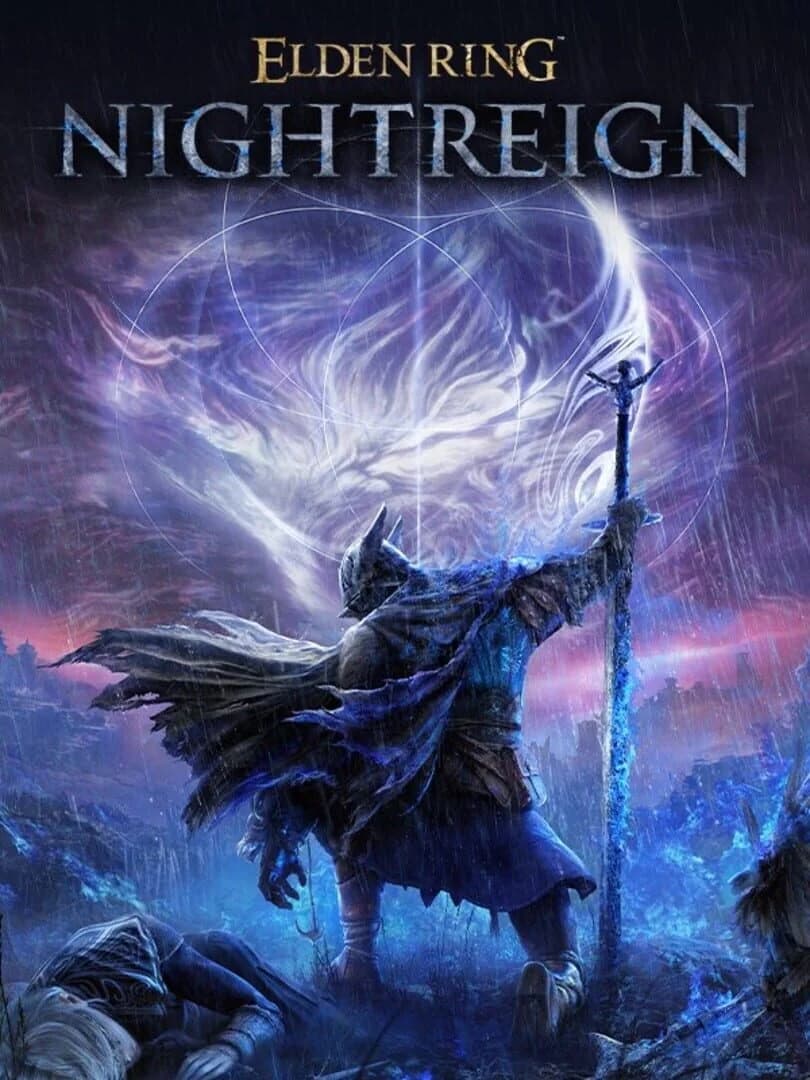
Early beta runs crystallized both extremes. One group stumbled into a spectral cathedral awash in moonlight, where a surprise Nameless King variant delivered a transcendent boss fight. The next run dumped players in a bland stone maze with recycled enemy animations and fewer memorable landmarks. Those highs and lows sum up Nightreign’s procedural tightrope.
Comparisons: Hades, Dead Cells, and Living Up to Roguelike Standards
Fans will instantly compare Nightreign to Hades’s tight, narrative-driven loops or Dead Cells’s fast-paced, skill-based corridors. Unlike Hades—where each escape attempt deepens story threads—Nightreign’s lore breadcrumbs scatter across severed boss encounters and cryptic NPC echoes. The three-day time limit echoes Dead Cells’s escalating arena threats but feels more strategic, demanding resource management and squad synergy under pressure.
Where Hades optimizes reward pacing with permanent upgrades and narrative beats each run, Nightreign leans heavier on loot gear drops and temporary buffs. It satisfies that hack-and-slash itch, yet occasionally sacrifices pacing for longer boss skirmishes. Dead Cells fans may chafe at the weighty combat tempo, but if you crave methodical choreography and shared triumphs, Nightreign delivers.
Procedural Strengths and Stumbles
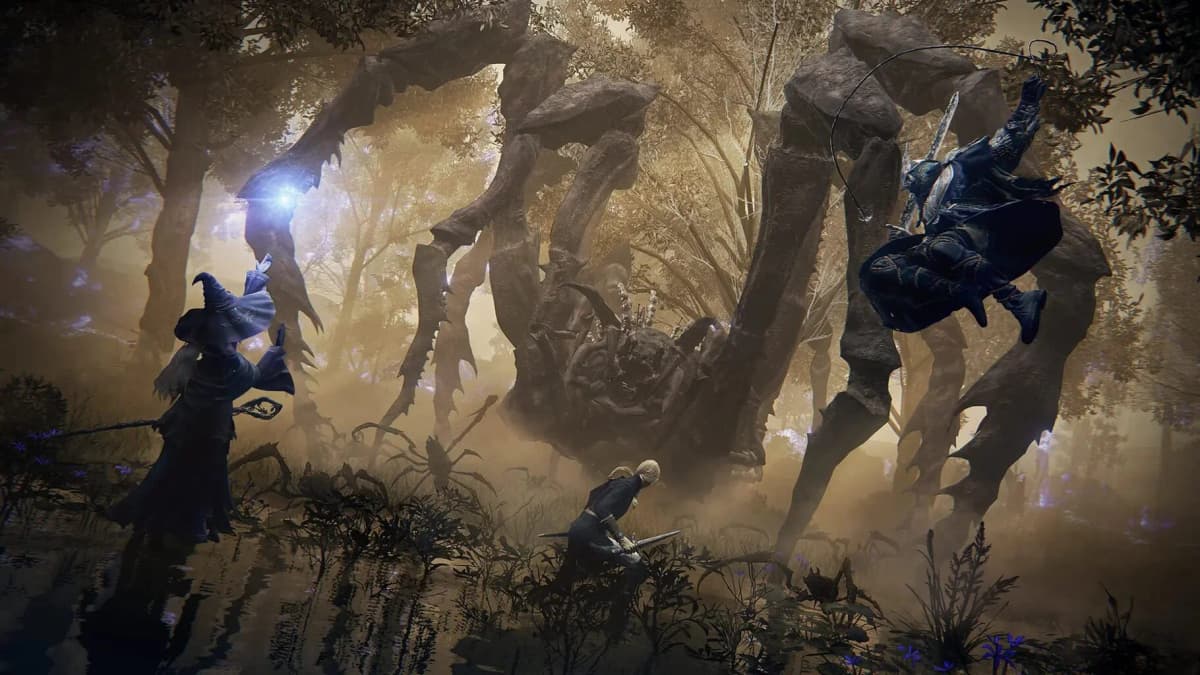
Some runs have stunned me with fresh combos—a misty rotbog spawning harpy-raven hybrids that force vertical combat, or a crater field where falling meteors prompt frantic sprints. Conversely, I’ve endured bland merchant camps and flat corridors lacking the brooding atmosphere that made Stormveil unforgettable. The key is variety: when random events peak, Nightreign feels like a playground of dark wonders; when they trough, you’re slogging through generic tilesets.
Beta Impressions and Community Feedback
During the network test, players praised seamless drop-in/out co-op and the palpable tension of the closing storm. Many flagged the gesture and emote wheel as a surprisingly deep social toolkit, replacing invasive message boards. Others voiced concerns about server stability on peak hours and occasional matchmaking lags. The community has already spun up strategy threads on boss order hacks and optimized loadout farms—signs that Nightreign’s replay engine is engaging despite its wrinkles.
Lore Implications: Multiverses, Nox, and the Nightlord
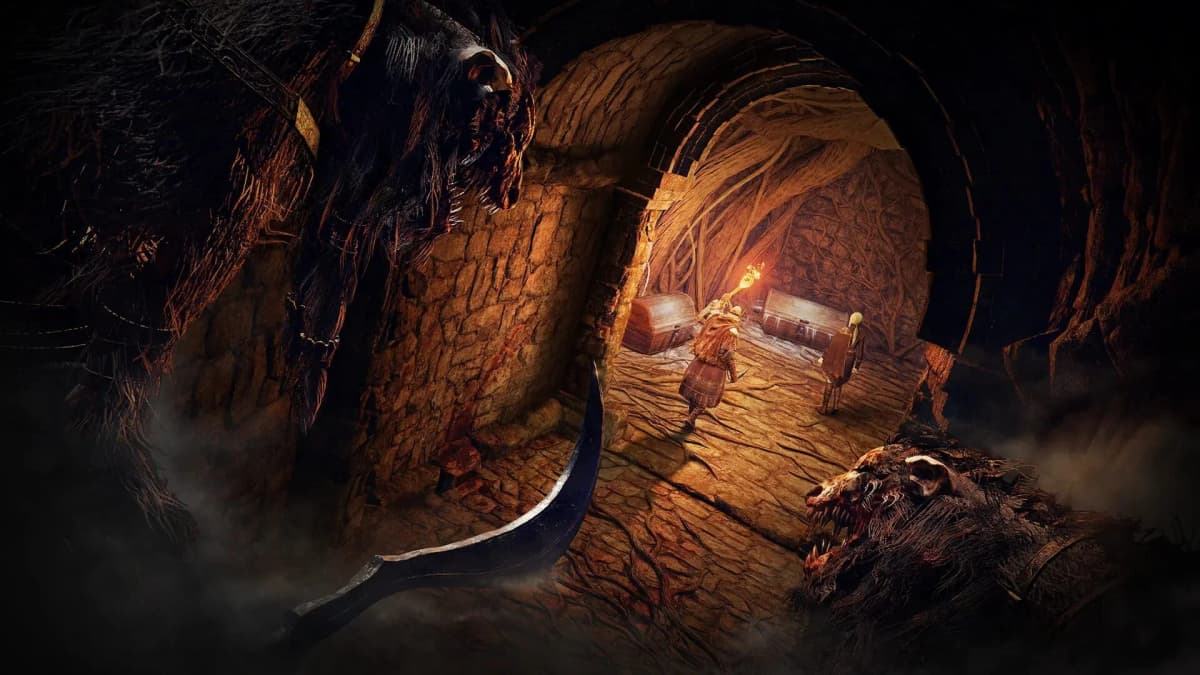
Nightreign’s fractured narrative teases an Age of Stars splintering, orchestrated by a creeping “Nightlord.” Cameos from Fire Keepers and ringbearers of past titles suggest a vast phylogenetic web connecting Dark Souls, Sekiro, and beyond. Will this be a mere fan-service tapestry, or prove a meaningful bridge that reframes each universe? Every cryptic shard—etched inscriptions in haunted grottoes or whispered NPC lore—invites decades of YouTube deep dives.
Actionable Advice for Would-Be Nightfarers
- Edition pick: Standard covers the full base game. If you’re a die-hard lorehound or collector, the higher tiers add art books and soundtrack, but skip them if you fear paid DLC fracturing the player base.
- Squad up early: Coordinate with two reliable friends rather than random matchmaking to minimize downtime and misreads of the storm timer.
- Gear strategy: Prioritize temporary buffs that synergize—flame cloaks for group crowd control or healing estus variants for sustain. Experiment each run.
- Embrace randomness: Accept that some runs will underwhelm. Treat each procedural stumble as a learning curve for meta-builds or alternate boss orders.
- Prepare for the storm: Map contraction kills solo players. Practice hit-and-run tactics and maintain sightlines with your team to avoid separation.