
Table of Contents (11)
Why This Caught My Eye (And Why I’m Concerned)
Elden Ring on a Nintendo handheld has been the dream ever since Limgrave first chewed us up. So when Elden Ring: Tarnished Edition showed up at Gamescom 2025 for Switch 2, I sprinted to the booth like I’d spotted a golden seed. But the hands-on feedback pouring out of the show floor paints a rough picture: big frame drops once you leave the tutorial bubble, confusing control mapping, heavy visual cuts, and a firm “no gameplay capture” rule. That combo usually means one thing-this port needs more time in the kiln.
Key Takeaways
- Stable-ish tutorial, but framerate dips hard in open areas and multi-enemy fights-often below a 30 FPS target.
- Default controls feel off on a Nintendo layout, with mapping choices that clash with Elden Ring muscle memory.
- Visible cuts to textures, foliage density, shadows, and draw distance; texture/asset pop-in breaks immersion.
- No direct capture allowed and PR-guided routes suggest the build isn’t ready for unfiltered scrutiny.
Breaking Down the Gamescom Demo
Reports line up on one point: the curated, tutorial-like opening slice holds together. The moment testers hit broader fields or aggro’d multiple enemies, the framerate sagged-and that’s in a show build that’s typically tuned to look its best. Stutter during dodge windows is especially brutal in a FromSoftware game where a mistimed roll can cost you a run. Several attendees also mentioned a slight input mushiness, the kind of latency that turns perfect parries into whiffs. Add in aggressive motion blur at lower resolution and you get a smeary look that doesn’t flatter handheld play.
The Controls Problem: Nintendo Layout vs. Souls Muscle Memory
If you’ve played Souls-likes on Nintendo hardware, you know the “confirm/cancel” inversion versus Xbox/PlayStation can scramble your thumbs. The demo reportedly doubles down on that confusion: dodge/jump/confirm are mapped in ways that clash with what veterans expect, lock-on behavior feels inconsistent, and Torrent’s controls compete with combat inputs. Some of this can be solved with robust remapping—if the final build offers it. The demo’s options menu sounded restricted, with stick dead zones and camera acceleration feeling off and no sign of gyro aim for camera finesse. None of these are deal-breakers alone, but stacked on top of performance issues, they make the whole experience feel unfinished.
Visual Trade-Offs You Will Notice
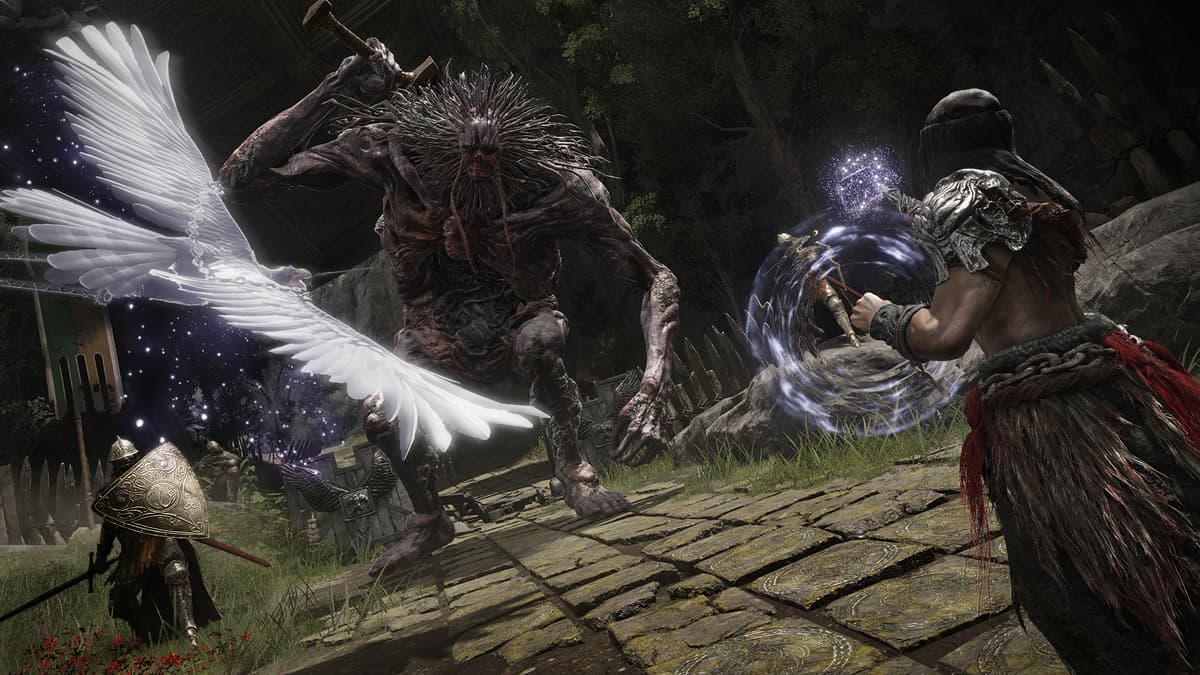
The Switch 2 version is clearly cutting to hit performance: softer textures, pared-back shadows, simplified weather effects, and foliage popping in at short range. Dynamic resolution and aggressive reconstruction appear to be doing heavy lifting, sometimes leaving distant detail mushy. I’m fine with smart compromises—The Witcher 3 on the original Switch was a miracle because it stayed playable despite being blurry—but Elden Ring’s open fields are less forgiving. When enemies or particle effects flood the screen, these cuts collide with the frame rate, and the whole house wobbles.
No-Capture Booths Are a Red Flag
Look, developers lock capture for plenty of reasons, but paired with guided demos, it screams “not ready.” If the port was mostly there, publishers would want hands-on clips flooding social feeds. Instead, we got a controlled slice and word-of-mouth about what happened outside it. That doesn’t mean doom forever—it means the team needs time to hit the standard this game demands.
Context: FromSoft Ports, “Impossible” Ports, and Player Expectations
FromSoftware’s masterpieces have also carried performance quirks—think Blighttown, Bloodborne’s frame pacing, or Elden Ring’s early PC stutter. They usually improve, but it takes work. On the Nintendo side, port specialists like Panic Button and Saber have made the “impossible” possible by picking a target and nailing it. Doom 2016 and Eternal were compromised but consistent; The Witcher 3 sacrificed clarity but stayed stable. Elden Ring needs that same discipline: either lock to a rock-solid 30 FPS with tight frame pacing or give players a settings profile that actually holds under stress.
Should You Buy Tarnished Edition on Switch 2?
- If portability is your north star: wait. A day-one purchase feels risky based on current feedback. Give it patches, and insist on real, unedited capture before committing.
- If performance matters most: you already know the answer—play on PS5, Series X, or a capable PC. Elden Ring sings at 60 FPS.
- If you’re on the fence: watch for signs of a locked 30 with corrected input latency, fuller remapping options, and fewer traversal hitches. Docked play may help a bit, but consistency is what counts.
What Needs to Happen Before Launch
- Frame pacing first: even a hard 30 FPS with consistent frame times will rescue combat feel.
- Control sanity: robust remapping, fixed dead zones, better camera tuning, and platform-native button logic.
- Smarter cuts: prioritize animation clarity and enemy readability over foliage density and distant detail.
- Transparency: let press capture real gameplay. Confidence sells ports better than sizzle reels.
Looking Ahead
This build doesn’t condemn the final release, but it’s a wake-up call. Elden Ring deserves a careful, no-excuses port—especially as a tentpole for new hardware. If the team delays to lock performance and fix input feel, that’s not a setback; that’s respect for players’ time. The dream of slaying the Elden Beast on a commute is still worth chasing—just not at the cost of what makes FromSoftware’s combat sing.
TL;DR
The Gamescom 2025 build of Elden Ring: Tarnished Edition on Switch 2 struggles with frame rate, controls, and visual cuts—and you couldn’t record gameplay. Unless portability trumps everything, wait for patches and real footage. A locked 30 FPS and smarter input tuning could still turn this around.
FinalBoss // Gear
Level up your setup
01Best-selling Switch 2 gameson Amazon→02Switch 2 accessorieson Amazon→038BitDo controllerson Amazon→04Discounted game keyson Kinguin→Affiliate links · As an Amazon Associate, FinalBoss earns from qualifying purchases.