

Elder Scrolls VI Aiming for Late 2027? What’s Real, What’s Hype, and Why It Matters
Game intel
The Elder Scrolls VI
The long awaited next installment in the Elder Scrolls franchise.
The Elder Scrolls VI might actually be taking shape – here’s the gamer’s reality check
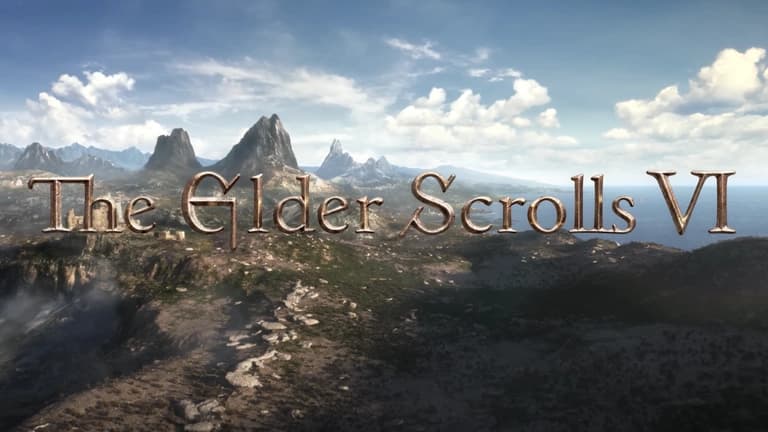
This caught my attention because, after seven years of near radio silence since that 2018 logo tease, we’re finally seeing credible breadcrumbs: LinkedIn updates, job moves, and production chatter that point to Elder Scrolls VI moving beyond pre-production. The headline claim? Internal targets around late 2027, with a realistic chance of slipping into 2028, plus reports that a Bethesda veteran, Alan Naes, has stepped in to steer design with a focus on emergent storytelling and side quests. That’s the pitch. Now let’s separate signal from noise.
Key Takeaways
- Late 2027 feels plausible; 2028 wouldn’t surprise anyone who watched Starfield’s long runway.
- Production seems centered on worldbuilding, quests, and characters – the right priorities for TES, but still years of work.
- If the “emergent narrative” refocus is real, expect a modernized Radiant-style system – powerful if it avoids “procedural filler.”
- Plan on Xbox/PC only. Game Pass day one is basically a given; PlayStation players likely sit this one out.
Breaking down the rumors versus reality
LinkedIn sleuthing isn’t gospel, but it’s been a decent early tell for big projects before. When profiles suddenly flag “quest design” or “world systems” for a known studio, it usually means a project has moved from pitch docs to actual content creation. That lines up with what’s reportedly happening on Elder Scrolls VI right now: teams staffing up on narrative, quest logic, and character pipelines. If accurate, that means they’re well past whiteboard ideas and into building the stuff we’ll actually play.
The late 2027 target makes sense when you look at Bethesda’s cadence. Skyrim (2011), Fallout 4 (2015), Starfield (2023) — long cycles, big swings. Creation Engine 2 debuted with Starfield, which acts as the tech foundation for TES VI. Shipping a second massive RPG on the same engine usually takes less than building the engine and the game at once, but the bar for Elder Scrolls isn’t “run on CE2”; it’s “feel alive, reactive, and hand-crafted in ways Starfield wasn’t.” That means time.
As for Alan Naes stepping in to lead design: role shuffles like this happen mid-dev more often than fans realize. If the mandate is “go deeper on emergent storytelling and side quests,” that reads like a direct response to two realities: Skyrim’s legacy (players still talk about Dark Brotherhood and Thieves Guild questlines more than the main plot) and Starfield’s criticism (too much procedural repetition, not enough systemic consequence). It’s a smart pivot — on paper.
Why “emergent narrative” is the make-or-break feature
Skyrim’s Radiant system was ahead of its time, but let’s be honest — a lot of those quests boiled down to “go to cave, get item, cash in.” If Elder Scrolls VI reframes “emergent” as reactive faction politics, persistent world states, and NPCs with memory beyond a dialogue toggle, that’s the leap we’ve been waiting for. Think: a theft that actually damages a city’s economy, a guild rivalry that reshapes guard patrols, or a companion who doesn’t forget you ditched them at a cliff for 30 hours.
Creation Engine 2 can help here if Bethesda leans into AI scheduling, systemic simulation, and consequence tracking. Where Starfield struggled was density and cohesion — segmented cities behind loading doors, procedural outposts that blurred together. In Elder Scrolls, the same tech has to serve a contiguous fantasy world where geography, culture, and systems collide. If “emergent” just means more generated errands, gamers will sniff that out in a weekend.

The setting, platforms, and performance realities
That 2018 teaser screamed High Rock/Hammerfell to a lot of us, and the lore support is strong: political intrigue, Redguard martial traditions, and landscapes that aren’t just snow and Nordic runes. It’s the right canvas for faction-driven roleplaying. But don’t expect a fully seamless world if it compromises performance — Starfield taught Bethesda some hard lessons about scale versus fidelity. If they can deliver consistent 60fps on Series X with robust simulation, that’s a bigger win than one more sprawling, empty biome.
Platform-wise, it’s almost certainly Xbox Series X|S and PC, day-one Game Pass. PlayStation is a long shot. Timing matters too: a late 2027/2028 release brushes up against whatever Xbox’s next hardware cycle looks like. Don’t be shocked if Elder Scrolls VI becomes a showcase title that bridges generations, the way Skyrim lived a thousand lives across platforms.
Want to Level Up Your Gaming?
Get access to exclusive strategies, hidden tips, and pro-level insights that we don't share publicly.
Ultimate Gaming Strategy Guide + Weekly Pro Tips
What players should watch for next
- Quest design deep dives: When Bethesda shows the game, look for systems — branching outcomes, faction reactivity, crime/justice revamps, and spellcrafting returning (please).
- Density over diameter: Fewer loading gates, more handcrafted hubs, better crowd AI. If they brag about “map size,” be skeptical.
- Mod tools at launch: Creation Kit support and plugin limits will define the game’s lifespan more than any marketing bullet point.
- Combat feel: Melee weight, magic expression, and stealth viability need to land day one. Skyrim modders shouldn’t have to fix basic feedback loops again.
So, should you believe the 2027 talk?
Mostly — with caveats. The production signals are legit enough to move TES VI out of vaporware jokes and into “it’s happening.” Late 2027 is ambitious but feasible if Bethesda locked tech early and started full quest production in earnest over the last year. A slip to 2028 is very possible, especially if the team chooses systemic depth over a safe “Skyrim 2.0” pass. If that’s the trade, take the delay.
TL;DR
Elder Scrolls VI looks on track for late 2027, with 2028 a realistic safety net. Reports of a design refocus on emergent storytelling are exactly what fans want — as long as “emergent” means reactive systems, not more procedural errands. Watch for quest design details, mod support, and performance targets before buying the hype.