
Table of Contents (9)
How ARC Raiders hit near‑AAA quality on a fraction of the usual budget
You can make a blockbuster‑caliber multiplayer shooter without a blockbuster budget – if you stop building the same slow assembly line. That’s the blunt lesson coming out of Embark Studios’ ARC Raiders: the studio rewired production pipelines, leaned on photogrammetry, procedural generation and open tools, and used generative AI as a drafting tool – not a substitute for actors or craft. The result: a game that sold millions and looks and plays like something far more expensive.
- Key takeaways:
- Embark says ARC Raiders reached near‑AAA results with perhaps a quarter of the usual budget by rethinking workflows rather than slashing quality.
- Generative AI was used for internal prototyping and draft dialogue; controversial AI voice lines have since been re‑recorded with paid actors.
- The bigger innovation is pipeline redesign – photogrammetry, procedural landscapes and reuse of open tech — a model other mid‑size studios can copy.
Why this matters right now
ARC Raiders’ post‑launch conversation hit a higher volume because the studio recently went back into the booth to replace AI‑generated voice lines with human performances. That move — and CEO Patrick Söderlund’s plainspoken framing of AI as a production tool — landed across outlets (PlayCentral, 3DJuegos, PushSquare, GamePro) and forced a practical follow‑up to the big industry questions about cost, quality and where automation actually helps.
Not a miracle: it’s pipeline engineering, not magic
Söderlund hasn’t published a complete budget breakdown, but PlayCentral cites industry estimates placing ARC Raiders’ total costs — including marketing — in the roughly €70 million range. For a modern AAA live‑service or blockbuster, that sits at the low end. Embark insists this wasn’t about skimping on actors or assets; it was about removing repetitive, low‑value tasks and choosing smarter tools.
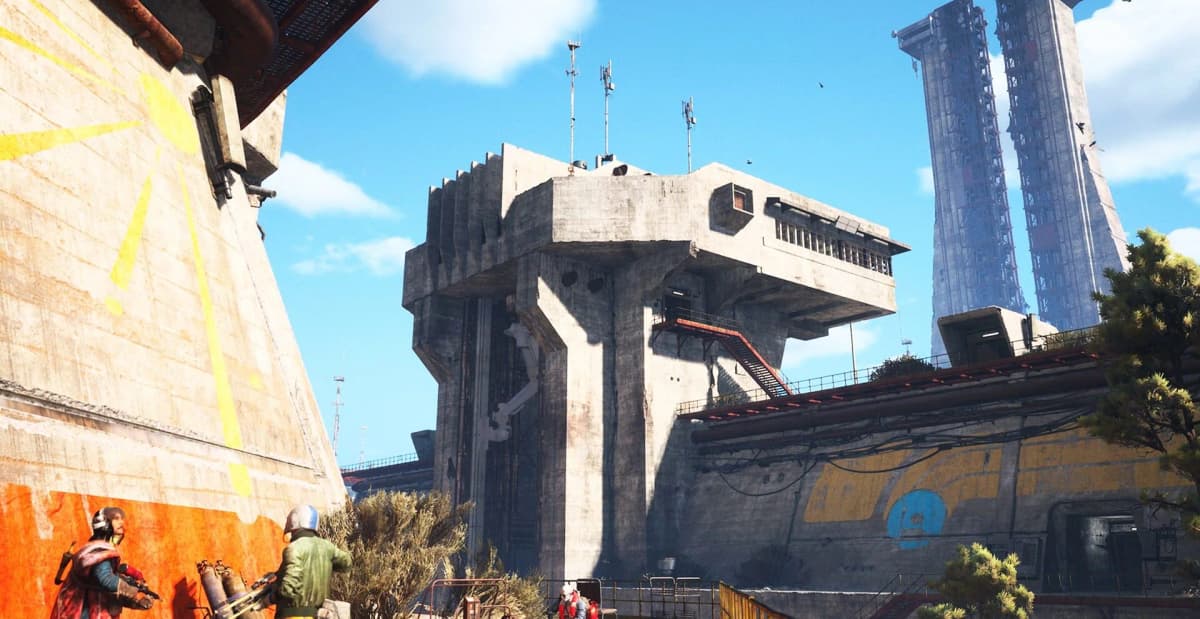
The concrete levers were familiar but applied differently: photogrammetry to capture real‑world textures instead of hand‑painting every prop; procedural generation to build believable landscapes quickly; and reuse of existing open technologies where possible. Söderlund framed it plainly: stop treating team size as a quality metric — change the way work gets done.
The AI nuance — testing tool, not replacement
Embark’s most headline‑friendly admission was about voice: the studio used text‑to‑speech for internal iterations and some minor UI/ping lines, then re‑recorded many of those lines with professional actors after release. “A real professional actor is better than AI,” Söderlund told GamesIndustry.biz — a sentence repeated by multiple outlets. Embark also says actors were paid for studio time and that licensing arrangements cover cases where actor voices are used via TTS for non‑critical lines.
The AI nuance — testing tool, not replacement
Embark’s most headline‑friendly admission was about voice: the studio used text‑to‑speech for internal iterations and some minor UI/ping lines, then re‑recorded many of those lines with professional actors after release. “A real professional actor is better than AI,” Söderlund told GamesIndustry.biz — a sentence repeated by multiple outlets. Embark also says actors were paid for studio time and that licensing arrangements cover cases where actor voices are used via TTS for non‑critical lines.
🎮 Get This Game at the Best Price
Compare prices instantly and save up to 80% on Steam keys with Kinguin — trusted by 15+ million gamers worldwide.
*Affiliate link — supports our independent coverage at no extra cost to you

The uncomfortable observation studios hoped you’d miss: cutting AI into production pipelines can speed iteration, but it doesn’t buy you the final polish. Embark used AI to test dozens of takes cheaply, then spent money to replace what mattered with humans. That’s not cost‑avoidance so much as cost‑triage.
The limits and the question nobody’s asking
This approach scales best for multiplayer, extraction‑shooter systems and live games where procedural content and iterative tuning matter more than handcrafted, story‑driven sequences. It’s less obviously transferable to single‑player narratives that demand bespoke scenes and bespoke performances from day one.
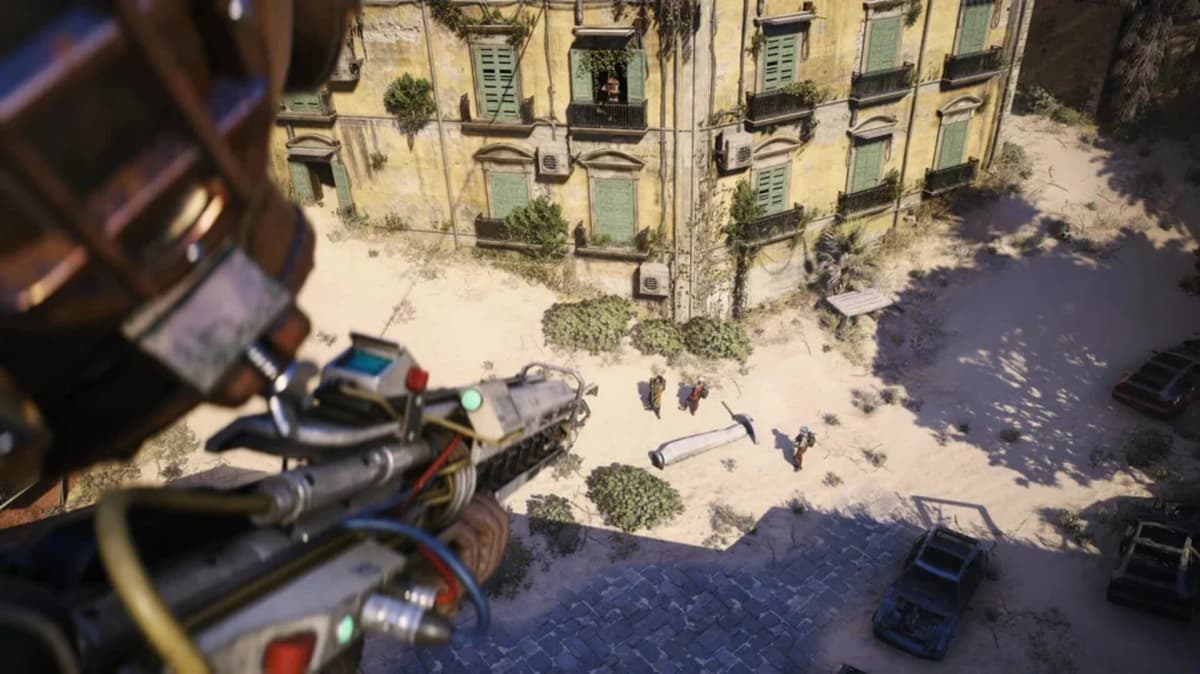
And there are follow‑up questions Embark didn’t fully answer: where exactly were the largest savings realized — staffing levels, outsourcing, tech licensing, or fewer bespoke systems? How much technical debt does a pipeline redesign carry into live ops and post‑launch expansions? Efficiency today can turn into higher maintenance costs tomorrow if architecture isn’t future‑proofed.
What to watch next
- Embark’s patch notes and developer updates — how many more AI lines get swapped for actors over the next quarter?
- Job postings from Embark and similar mid‑size studios — are they hiring more engineers focused on tooling and pipeline instead of content‑creation roles?
- Announcements from other studios adopting explicit “pipeline rewrite” claims — copycats will show whether this is reproducible or unique to Embark’s team and game type.
- Financial disclosures or later interviews revealing a clearer budget split — that €70M estimate needs confirmation to judge how radical this model really is.
TL;DR
Embark didn’t fake AAA: it redesigned how the work gets done. Photogrammetry, procedural generation and smarter pipelines let ARC Raiders hit high production values at a fraction of traditional cost, while generative AI remained a drafting tool — not a final answer. The big test now is whether other studios can copy the playbook without trading lower costs for greater long‑term complexity.
FinalBoss // Gear
Level up your setup
01Top-rated gaming headsetson Amazon→02High-refresh gaming monitorson Amazon→03Gaming chairson Amazon→04Discounted game keyson Kinguin→Affiliate links · As an Amazon Associate, FinalBoss earns from qualifying purchases.
Want to Level Up Your Gaming?
Get access to exclusive strategies, hidden tips, and pro-level insights that we don't share publicly.
Ultimate Gaming Strategy Guide + Weekly Pro Tips