
Table of Contents (6)
Why this matters: a survival twist that actually leans into player drama
Enginefall’s second playtest matters because it’s trying to solve the hardest part of modern social PvP: getting trust and greed to fight in interesting ways. Think Arc Raiders’ tense alliances crossed with Rust’s crafting loop, except the arena is a chain of colossal, moving trains where every carriage can be a grenade or a gold mine. The new build pares back squad size, cleans up onboarding, and leans into betrayal as a gameplay feature – which is exactly the kind of design decision that will either make Enginefall sing or turn every match into an exercise in salt management.
- 75 players scavenge massive, persistent trains per server session.
- Squad size reduced from five to three to improve coordination and emotional stakes.
- Quality-of-life updates: streamlined tutorial, UI overhaul, cosmetics, and balance tweaks.
- Playtest runs Dec 12-16 on Steam; full release targeted for 2026.
Breaking down the playtest changes
The headline change is small but meaningful: teams are now three players instead of five. On paper that’s a nerf to brute-force coordination, but it’s a buff to choice. When you only have two teammates, every decision – who covers the flank, who makes the extraction – gains weight. Red Rover Interactive put it bluntly: “fewer players per team equals more opportunities for betrayal.” That’s the kind of explicit nudge toward social drama I respect as a designer and fear as a player.
Aside from the social angle, the second playtest introduces a streamlined tutorial and a visual menu refresh. Those are the boring-but-crucial fixes: survival games live or die on how quickly they make their loop understandable. If crafting, building, and navigation feel clunky, players bail before the fun — so these improvements are welcome. There are also fresh cosmetics and balance adjustments, the usual levers indie studios use to tweak progression pacing and player power.
What it actually plays like
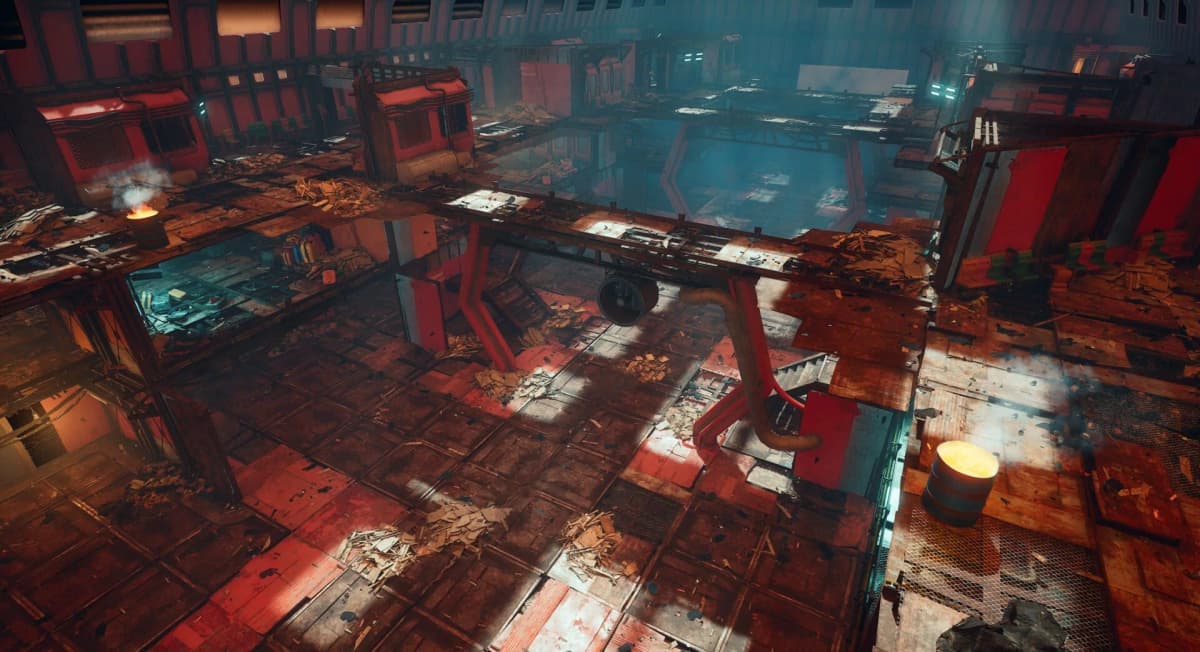
Everything happens on gargantuan trains. You start on a Dagger shuttle and can eventually upgrade to a Marauder train — think a mobile base with living quarters, workshops, and gun decks. From there you leap between vehicles hunting loot, materials, and the sweet spots inside Titan trains’ first-class compartments. The most tempting rewards are well-guarded and demand coordination, or the willingness to stab an ally for a better cut.
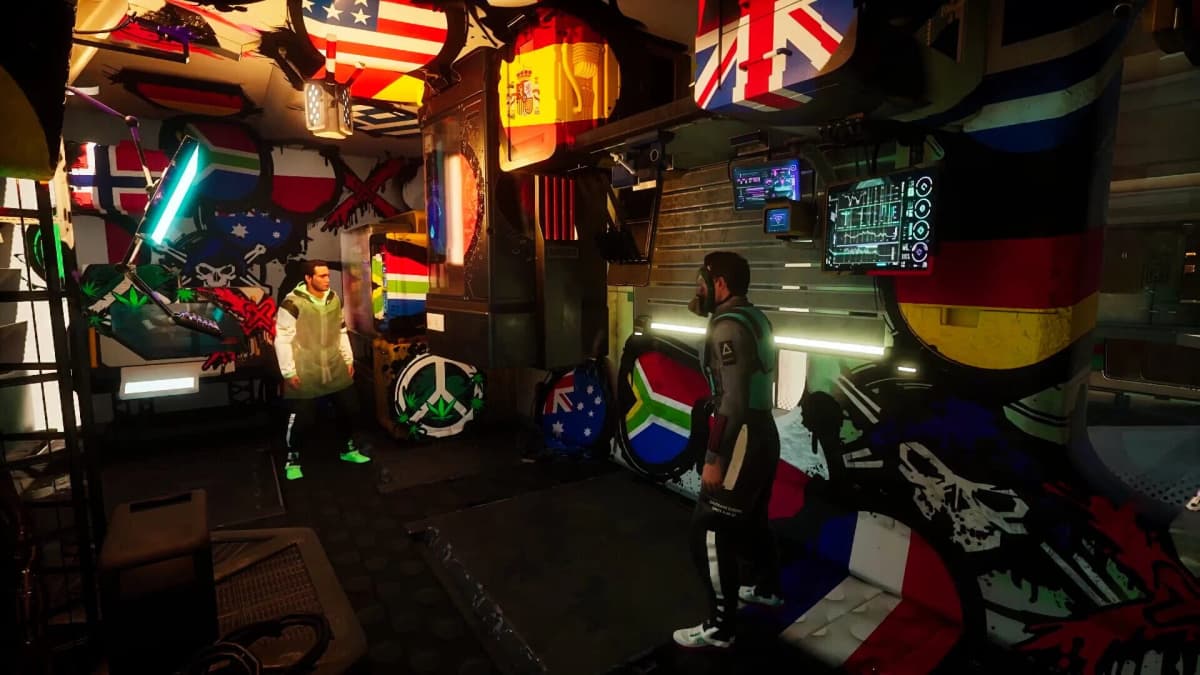
Gameplay fuses survival essentials — gather, craft, build — with heist-like moments. You can set up on-the-go respawn points, stash supplies, or grab loot and exfil quickly. Matches can persist for hours, though extraction is often smarter than staying to grind forever. With up to 75 players on a map, encounters range from tense negotiations to chaotic firefights where ambiguity about intent is the primary enemy.
The social meta: trust is currency
This is where Enginefall tries to differentiate itself from other survival loops. Arc Raiders showed that players love the paranoia of temporary alliances; Rust showed us how emergent betrayals become unforgettable stories. Enginefall wants both: the trains are playgrounds for temporary truces, backstabs, and last-second double-crosses. Reducing teams to three tightens that dynamic — fewer people to blame, more dramatic moments when someone flips.
Two quick caveats: 1) smaller squads put more pressure on matchmaking and solo players — if you can’t find reliable teammates, the experience could feel punishing; 2) cosmetics were mentioned in the update, and that’s always a warning lamp — how those are monetized will matter for long-term perception.
What gamers should expect and why now
Enginefall’s timing makes sense. Arc Raiders proved there’s appetite for social PvP that frames betrayal as a feature, not a bug. Survival crafting games are also enjoying renewed attention, and packing that into a novel setting — massive moving trains — is a smart way to stand out. The playtest through Dec 16 is about stress-testing those social systems and the basic loop; expect more balance updates, UI polish, and changes to progression as Red Rover responds to player data.
If you want in, click Steam’s “request access” on Enginefall’s page between Dec 12-16. The full game is planned for 2026, so treat this as a snapshot of a work in progress rather than the final product.
TL;DR
Enginefall’s second playtest sharpens the social knife — smaller 3-player squads, better onboarding, and UI fixes — and leans into betrayal as core gameplay. If you like survival crafting with a heavy dose of social tension and don’t mind the chaos of 75-player matches on giant trains, sign up on Steam and see whether Red Rover’s bold mash-up actually works in practice.
FinalBoss // Gear
Level up your setup
01Top-rated gaming headsetson Amazon→02High-refresh gaming monitorson Amazon→03Gaming chairson Amazon→04Discounted game keyson Kinguin→Affiliate links · As an Amazon Associate, FinalBoss earns from qualifying purchases.
Want to Level Up Your Gaming?
Get access to exclusive strategies, hidden tips, and pro-level insights that we don't share publicly.
Ultimate Gaming Strategy Guide + Weekly Pro Tips