
Table of Contents (6)
MotoX’s free-to-play switch is a bet the headset era runs on players, not upfront purchases
Turning MotoX free-to-play on Meta Quest does one clear thing: it removes the gate between a polished, highly rated VR racer and anyone with a headset. For ENVER, that’s not a pricing tweak – it’s a strategic pivot to turn a boutique, community-driven title into a platform for bigger, live competitive events and creator-driven moments.
- Key takeaways:
- ENVER is prioritising active player base growth over upfront revenue to build larger multiplayer pools and tournament ecosystems.
- Existing owners keep premium access and get exclusive rewards – ENVER needs goodwill to avoid alienating paying early adopters.
- The success hinges on how much essential competitive content remains free versus paid expansions and cosmetics.
- MotoX’s move fits a broader industry swing toward social, F2P models that boost reach but stress live‑ops and monetization design.
This is a growth play, not a discount
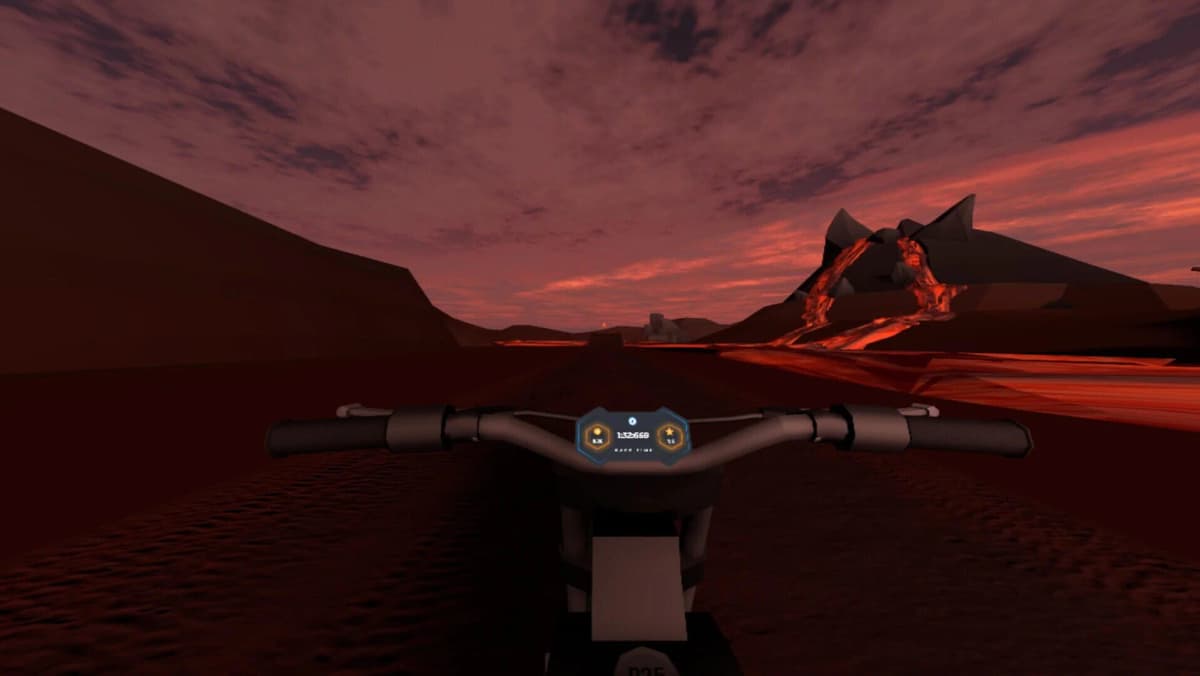
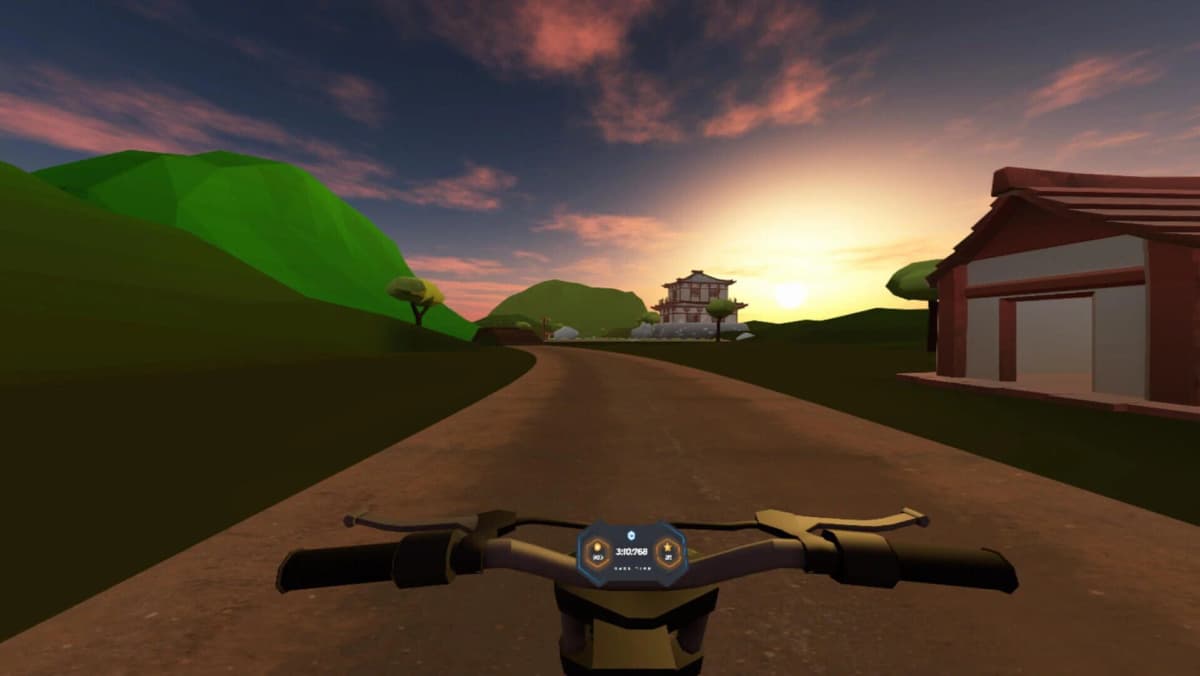
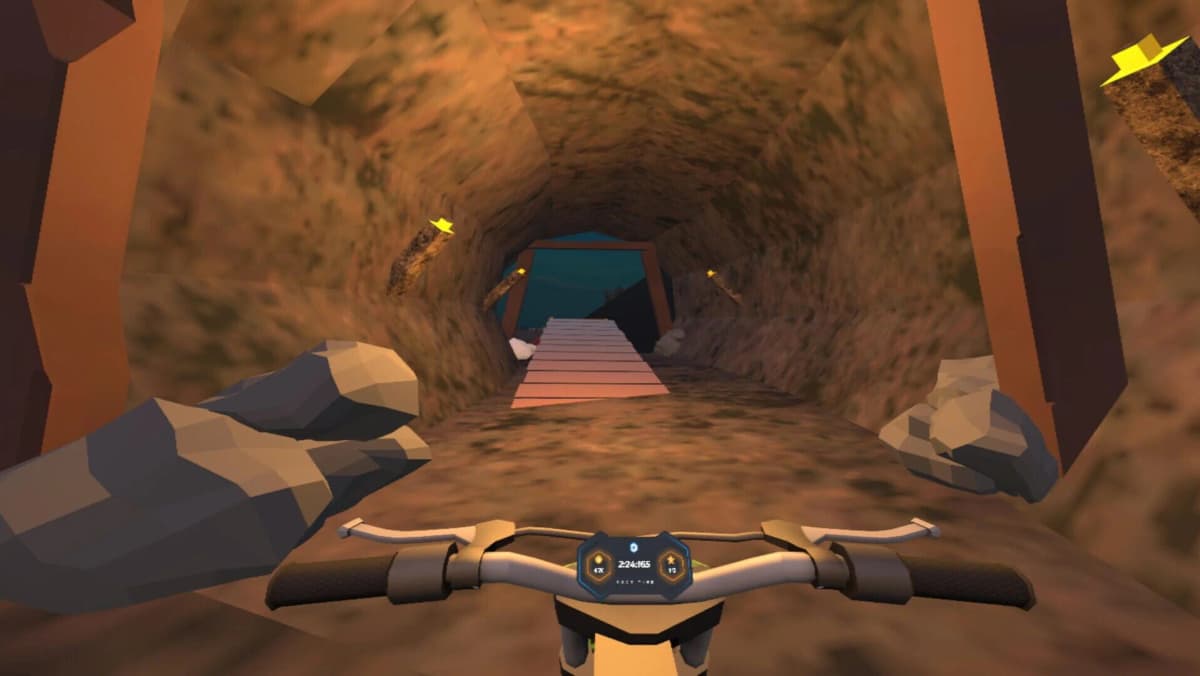
MotoX launched in May 2023 with near‑universal praise – 4.9 stars from 23,000+ reviews — and carved out a competitive niche on Quest with real‑time races, built‑in voice chat and a trick system that makes clips and streamable moments. Making it free-to-play signals ENVER wants more mouths in voice chat and more hands on handlebars, fast. Bigger lobbies = better matchmaking, better highlights for creators, and a healthier ecosystem for ranked ladders and tournaments.
That’s the same logic behind recent F2P shifts across games outside VR — from MMOs going free on consoles to established sports series testing free models — where lowering the barrier to entry turbocharges community growth. In VR specifically, titles that succeed today are the ones players can jump into with friends and then spend on cosmetics and seasonal content.
The uncomfortable question: what’s behind the paywall?
ENVER says the core experience — base tracks, online multiplayer and leaderboards — is free. Expansion packs and extra tracks remain purchasable, and cosmetics use optional currency. That sounds reasonable until you map it to competitive reality: if the most popular tournament tracks or key race modes live in paid packs, the free player funnel won’t feed serious competition. The PR line promises growth, but the execution detail that matters is which modes are free and which are gated.
ENVER has mitigated friction for early buyers: they keep premium access and get an OG tag, a Golden Bike and 6,000 in‑game coins. That’s good optics — and necessary. Alienating your best advocates is the fastest way to kill the community vibe that makes social games sticky.
Why VR needs this shift — and why it might still fail
VR’s long road to mainstream is not just hardware; it’s social gravity. The headset that has the biggest, loudest, and most active multiplayer scenes becomes the default place people invite friends. ENVER is pushing MotoX into that role: monthly updates, creator clips, and larger tournaments are the lever they’re pulling to amplify reach. If it works, MotoX could become a platform-level title on Quest, not just a premium purchase.
That said, free-to-play exposes two pressure points. One: monetization design. If cosmetics feel predatory or required for competitive parity, churn will spike. Two: live‑ops capacity. Scaling monthly content and stable matchmaking for larger lobbies is expensive and operationally demanding. ENVER’s past hits suggest they understand creator culture, but scaling a multiplayer ecosystem is a different discipline than shipping a polished single release.
What to watch next
- Player counts and peak concurrency on Meta Quest listings — a clear early signal if the free‑to‑play funnel is working.
- Which tracks and playlists are used in ENVER’s official tournaments — if competitive play locks paid tracks, this becomes pay-to‑compete.
- Monetization balance: cosmetic drop cadence, pricing on expansion packs, and how often paid content appears in tournament rotation.
- Upcoming monthly update and the first post-F2P tournament announcements; ENVER’s roadmap will reveal whether this is a community growth strategy or a monetisation ramp.
- Community sentiment from long‑time players — if OG owners feel rewarded, that goodwill will lubricate growth; if not, expect vocal backlash.
If I were on the call with ENVER’s PR rep, I’d ask: will official ranked playlists ever require paid packs? And what metrics will ENVER share to prove this was about community, not conversion?
TL;DR
MotoX going free-to-play is ENVER’s bet that social reach matters more than upfront sales for a VR multiplayer racer. The move can unlock larger tournaments and creator moments — if essential competitive content stays accessible and live‑ops scale. Watch player counts, which tracks are tournament staples, and how cosmetics/expansions are priced to see if this becomes a growth engine or a thinly veiled monetisation push.
FinalBoss // Gear
Level up your setup
01Top-rated gaming headsetson Amazon→02High-refresh gaming monitorson Amazon→03Gaming chairson Amazon→04Discounted game keyson Kinguin→Affiliate links · As an Amazon Associate, FinalBoss earns from qualifying purchases.
Want to Level Up Your Gaming?
Get access to exclusive strategies, hidden tips, and pro-level insights that we don't share publicly.
Ultimate Gaming Strategy Guide + Weekly Pro Tips