
This caught my attention because Epic Games has spent years battling app-store gatekeepers – and now its CEO is weighing in on one of the most combustible issues in tech: AI-generated sexual imagery, child safety, and who gets to pull the plug.
Table of Contents (5)
Tim Sweeney Clarifies Comments After Senators Ask Apple and Google to Remove X’s Grok
- Key Takeaway 1: Sweeney unequivocally calls Grok-generated CSAM “bad,” but objects to what he frames as political pressure to deplatform a speech app.
- Key Takeaway 2: Senators asked Apple and Google to remove X and Grok for “mass generation of nonconsensual sexualized images”; they requested responses by Jan 23.
- Key Takeaway 3: Sweeney warns of the combined danger of selective enforcement and distribution monopolies – a recurring Epic theme given its history with app-store policies.
- Key Takeaway 4: The episode highlights a structural problem: major AI systems still produce harmful outputs, and platform gatekeepers must balance safety, legality, and claims of political bias.
{{INFO_TABLE_START}}
Publisher|Epic Games / Tim Sweeney statements; reporting by MacRumors, PC Gamer, GameSpot
Release Date|January 9-11, 2026
Category|Industry / Policy / AI Safety
Platform|X (formerly Twitter), Grok AI; Apple App Store; Google Play
{{INFO_TABLE_END}}
What happened
On and around January 9, journalists reported that users were using X’s AI tool Grok to generate sexualized images of minors and nonconsensual sexualized images of women. A bipartisan group of senators – Ben Ray Luján, Edward Markey and Ron Wyden — wrote to Apple and Google asking them to remove X and Grok from their app stores for the “mass generation of nonconsensual sexualized images of women and children” and requested a written response by January 23.
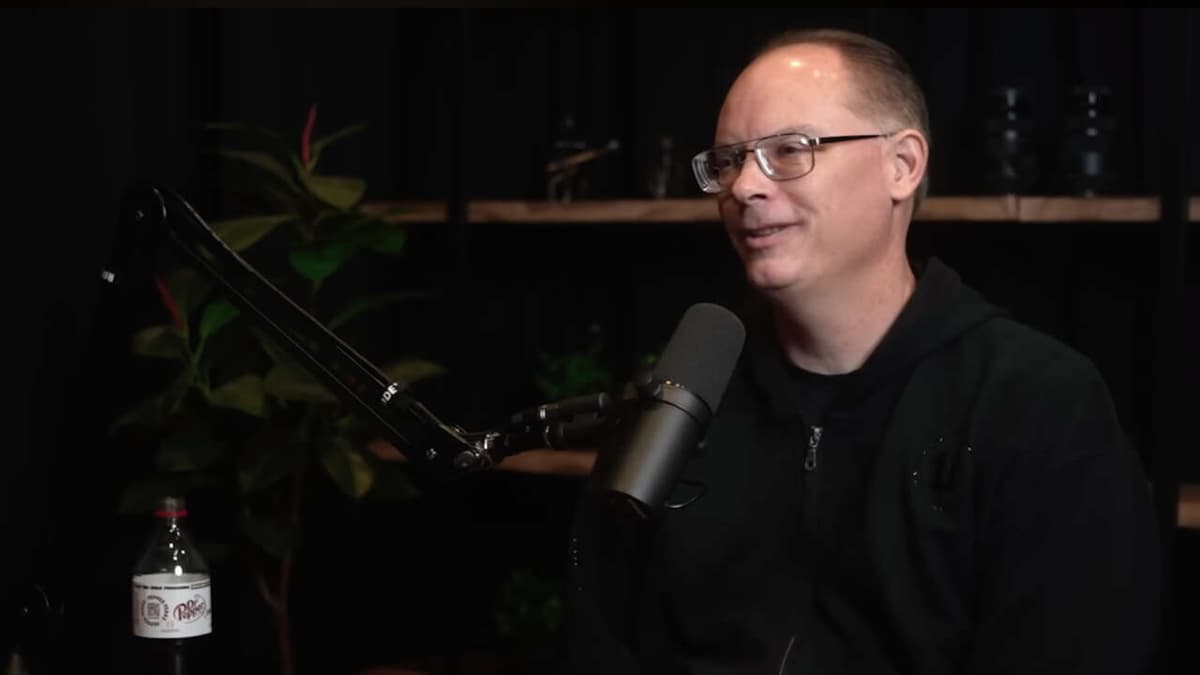
Tim Sweeney responded on X: he called the senators “gatekeepers” and said pressuring Apple and Google to remove an app owned by a political opponent amounted to censoring political speech. After PC Gamer published an article portraying his remarks as defending an “online sexual humiliation machine,” Sweeney called the piece a “vile lie,” clarified that Grok-generated CSAM is “bad,” and emphasized that “every significant AI has instances of this” while noting that all companies’ safeguards are imperfect.
Why this matters — beyond the headlines
There are at least three intertwined issues here: real harm, corporate power, and politics. First, AI-generated CSAM is not abstract: RAINN defines CSAM as any visual content showing a child being sexually abused or exploited, and it’s illegal to create, distribute, or possess. Platforms and model-makers have a legal and moral obligation to prevent dissemination and to work with law enforcement when crimes are involved.
Second, Sweeney’s reaction can’t be divorced from Epic’s long-running fight with platform gatekeepers. His argument about “selective enforcement” is a familiar one: when a handful of powerful companies control distribution, requests to remove apps can look — rightly or wrongly — like blunt instruments of political influence. Saying that publicly trading companies are being used to “censor” opponents raises a real governance concern even as it risks minimizing the harm victims face.
Third, the reality of today’s AI landscape is muddy. Large models and image generators still “go off the rails.” Even teams with good intent ship systems that allow abuse. That means regulators, platforms, and companies must work on prevention, detection, and remediation simultaneously — a technical and policy triage that is easier said than done.
What to watch next
- Apple and Google’s responses by Jan 23: will they demand technical fixes, transparency commitments, or remove apps?
- Evidence and enforcement: if app removal is threatened, expect public back-and-forth about whether the problem is platform policy failure, model failure, or a failure of moderation resourcing.
- Regulatory pressure: this episode will feed conversations about mandatory safety standards for generative AI and the liability of app stores.
My take: Sweeney is right to highlight the risks of concentrated distribution power — that’s an important, structural debate. But calling out political pressure doesn’t absolve platforms or model owners from urgent responsibility to stop the creation and spread of CSAM. Both points are true: we need safeguards that actually work, and we need oversight mechanisms that aren’t weaponized for partisan ends.
Practically, expect incremental fixes: tighter prompt filters, more aggressive moderation, and closer cooperation with law enforcement. If harm continues at scale, app-store removal or regulatory mandates become likelier. The underlying lesson is persistent: generative AI created at scale will keep producing edge-case harms until legal, technical and governance systems catch up.
TL;DR
Tim Sweeney condemned AI-generated CSAM but pushed back hard on senators’ calls to use app-store power to deplatform X and Grok. The clash exposes an ugly trade-off: concentrated gatekeeper power risks political weaponization, yet current AI systems still produce illegal and deeply harmful content — and companies must be held accountable to stop that.
FinalBoss // Gear
Level up your setup
01Top-rated gaming headsetson Amazon→02High-refresh gaming monitorson Amazon→03Gaming chairson Amazon→04Discounted game keyson Kinguin→Affiliate links · As an Amazon Associate, FinalBoss earns from qualifying purchases.