
This caught my attention because it’s a neat example of platform leverage: Epic is turning Fortnite skins – something players already value deeply – into direct sales incentives for unrelated games. It’s clever, effective, and a little bit unsettling for how it reshapes buying motivations.
Table of Contents (8)
Epic Games’ New Cosmetic Bundle Strategy: Free Fortnite Items Driving Third‑Party Game Sales
- Epic now formally bundles exclusive Fortnite cosmetics with Epic Games Store preorders to boost third‑party sales, starting with Resident Evil Requiem’s Grace Ashcroft skin.
- Partners include Capcom, miHoYo, MintRocket and Pearl Abyss – signaling the program will span genres and scales of publisher size.
- It’s an effective conversion tool for Fortnite’s massive audience but raises market‑health concerns: are players buying games for cosmetics rather than gameplay?
- Mechanics include limited windows, refund-linked removal of cosmetics, and occasional later Item Shop monetization.
{{INFO_TABLE_START}}
Publisher|Epic Games
Release Date|Feb 2026
Category|Platform strategy / promotions
Platform|Epic Games Store; Fortnite
{{INFO_TABLE_END}}
What Epic announced (and why it matters)
Epic has formalized an approach it’s tested before — bundling Fortnite cosmetics with store purchases — into an official program for the Epic Games Store. The model is straightforward: preorder or buy a partnered third‑party game on the store, and you receive an exclusive Fortnite cosmetic tied to that purchase. Resident Evil Requiem’s Grace Ashcroft skin is the first showcase. Epic’s roster of partners already includes major and mid‑tier names such as Capcom, miHoYo, MintRocket and Pearl Abyss, indicating the company intends to roll this out broadly.
Why this is a logical growth move
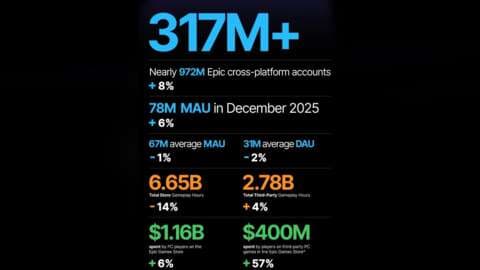
Fortnite is by far Epic’s biggest engagement engine. Turning an in‑game status symbol into a purchase incentive leverages an existing internal economy rather than paying for external channels. For publishers, an exclusive skin offers built‑in marketing exposure to millions of potential new players; for Epic, it’s a way to nudge Fortnite’s audience toward the rest of the store catalog. Compared to standard discounts, cross‑game cosmetics are tactile, sharable and visible inside the social space of Fortnite.
What to watch — friction points and community response
There are clear tradeoffs. Industry observers like Circana’s Mat Piscatella warn this can distort healthier purchase signals: buying a new game because you want a skin in another game changes the meaning of a “sale.” Practically, bundling also creates tricky edge cases: refund policies that strip cosmetics (as Epic has done with similar bundles) feel punitive to consumers and complicate returns. And when bundles later hit the Item Shop or other channels, the “exclusive” value of the offer is softened — which can annoy early purchasers.
Expect vocal debate in communities. Some players will love freebies and follow‑on visibility; others will bristle at the idea of their game libraries becoming a gateway to cosmetic currencies. Publishers must weigh short‑term conversion gains against potential backlash if players perceive the incentive as manipulative.
How this plays out for developers and players
For smaller studios and mid‑tier publishers this is an obvious win: you get reach into Fortnite’s ecosystem without a massive ad outlay. Seeing a character skin in a popular lobby creates organic curiosity that can outperform traditional impressions. For AAA publishers it’s another tool to boost launch visibility.
For players, the immediate upside is clear — free cosmetics. The downside is more subtle: buying games primarily for an unrelated cosmetic reward could lead to buyer’s remorse, and ecosystem mechanics (refund removals, later Item Shop sales) can sour the experience. If the industry normalizes this tactic, expectation shifts: exclusives become transactional rather than earned.
My take and quick predictions
As a platform play, this is smart and likely to move the needle for early partners. I expect a measurable lift in preorders for titles that couple with desirable Fortnite cosmetics, especially among younger players and collectors. that said, watch for two counterforces: community pushback around perceived manipulative bundling, and Epic’s own incentive to eventually monetize or re‑release skins in the Item Shop, which reduces long‑term exclusivity and could erode trust.
What this means for you
If you play Fortnite and see a skin tied to a preorder you were already considering, the offer increases the marginal value of that purchase — think of it as a bonus rather than the sole reason to buy. If you don’t want cross‑game incentives shaping your library, be cautious: check refund terms and whether the cosmetic is truly exclusive or likely to appear later in the Item Shop.
For developers: this is an accessible marketing lever, especially for teams that can’t outspend AAA ad budgets. For platform watchers: it’s a reminder that dominant titles can be repurposed into store-level currencies — powerful, and worth scrutinizing.
TL;DR
Epic has formalized a program that bundles exclusive Fortnite cosmetics with Epic Games Store preorders to drive third‑party sales. It’s an effective, platform‑leveraging growth tactic that benefits smaller publishers and converts Fortnite players — but it also raises valid questions about market health, refund friction, and the changing meaning of “exclusive” content.
FinalBoss // Gear
Level up your setup
01Top-rated gaming headsetson Amazon→02High-refresh gaming monitorson Amazon→03Gaming chairson Amazon→04Discounted game keyson Kinguin→Affiliate links · As an Amazon Associate, FinalBoss earns from qualifying purchases.